For tech enthusiasts, PC gamers, and content creators planning to build a custom PC, looking at the current computer component price list can be a heartbreaking experience. This phenomenon of rising costs isn’t just a local issue; it is a global crisis affecting supply chains worldwide.
The impact is perhaps most severely felt in the sudden surge of RAM (Random Access Memory) prices. This vital component, responsible for temporary data storage, is experiencing extreme price volatility. So, what is actually happening behind the scenes of the semiconductor industry that makes market prices feel so unreasonable?
Basic Economics: The Imbalance of Supply and Demand
Fundamentally, the cost of PC hardware relies on the most primal economic principle: supply and demand. When market demand is high but availability is low, prices automatically rise.
However, the current situation is more complex than just “too many people want to buy computers.” The technology industry is undergoing a massive focus shift. According to analyses from global market research firms, the demand for Artificial Intelligence (AI) infrastructure is exploding.
Tech giants are currently scrambling for high-performance memory chips for their AI servers. Consequently, factory production capacity that was previously allocated for consumer-class RAM (for home PCs) has been diverted to meet enterprise industry needs. This is the primary driver of stock shortages at the retail level, triggering a general hike in computer component prices.
Case Study: Why Are RAM Prices Spiking?
Let’s dissect the specific case of memory modules. A few years ago, we enjoyed very cheap RAM prices due to market oversupply. However, that party is officially over. Here is a deep-dive analysis of why RAM prices are now soaring:
1. Production Cuts by Manufacturing Giants
Three major players in the global memory industry—Samsung, SK Hynix, and Micron—hold full control over market pricing. According to reports from TrendForce, these manufacturers have intentionally cut their production volumes. This strategy was adopted to halt the downward price trend of previous years and to stabilize company profits. When these three giants reduce supply, the global market reacts immediately with price hikes.
2. The Tech Transition to DDR5
The industry is currently in a massive transition phase from the DDR4 to DDR5 standard. Manufacturing DDR5 modules requires more advanced technology and incurs higher costs due to additional components like the PMIC (Power Management Integrated Circuit) built directly onto the RAM stick. Because production focus has shifted to this new technology, stocks of older technology are thinning out, while the new tech still commands a premium price.
3. Rising Raw Material Costs
The cost of basic materials for manufacturing semiconductor chips—such as silicon, neon gas, and palladium—has risen due to global inflation and geopolitical instability in major mining nations.
Summary: Factors Driving PC Part Inflation
To help you understand the complexity of this issue, here is a breakdown of the primary factors:
| Factor | Brief Description | Direct Impact on Consumers |
| AI Boom | Drastic increase in demand for AI server chips. | Production capacity for consumer PC parts is reduced. |
| Production Cuts | Manufacturers intentionally lower factory output. | Scarcity in the market leads to automatic price increases. |
| Global Logistics | Rising costs for air and sea freight. | Final retail price of electronic products becomes more expensive. |
| Currency Fluctuation | Strengthening of the US Dollar against local currencies. | Importers in Europe, Asia, and South America must adjust prices upwards. |
The Impact on Global Consumers
This global price hike is exacerbated by currency exchange rates. Since the vast majority of computer components are traded in US Dollars, when the Dollar strengthens, international markets suffer. Importers in the UK, Indonesia, Brazil, or India must adjust their selling prices to avoid losses.
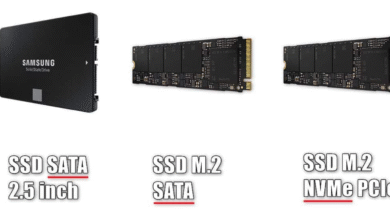
Based on observations across various global marketplaces like Amazon, Newegg, and local retailers, price increases are not limited to RAM. They have spread to other components like SSDs (Solid State Drives) and Motherboards.
For those planning a budget PC build or looking for entry-level specs, this is a challenging time. You may need to lower your specification expectations or delay your purchase until the market stabilizes.
Smart Strategies to Navigate High Hardware Prices
If your computing needs are urgent and you cannot wait for the market to correct itself, here are some strategies to manage your PC building budget:
-
Buy Quality Used Parts: The second-hand PC market often offers prices 30% to 50% cheaper than retail. Ensure you buy from trusted sellers with good ratings or warranty policies.
-
Prioritize Single Channel (Initially): If you plan to use 32GB of RAM, buy a single 16GB stick now, and add the second stick later when prices drop.
-
Watch for Bundle Deals: Computer retailers often provide discounts if you buy a “combo bundle” (e.g., Processor + Motherboard + RAM) rather than individual parts.
FAQ: Questions About PC Component Trends
Q: When are computer component prices predicted to drop?
A: Market analysts predict prices will remain high at least through the mid-quarters of the coming year, heavily dependent on global economic stability and the trajectory of AI industry demand.
Q: Is it better to stick with DDR4 or force an upgrade to DDR5 while prices are high?
A: If you are on a strict budget, DDR4 RAM is still highly relevant and capable for gaming and creative work in 2024/2025. For daily use, the performance difference is often not significant enough to justify the massive price gap.
Q: Why haven’t VGA (Graphics Card) prices skyrocketed like RAM recently?
A: The GPU market has just recovered from the scarcity caused by crypto mining. Currently, graphics card stocks are relatively safe and stable, unlike the memory market which is undergoing severe supply adjustments.
-
-
-
-
-
-

-