The price of cellphones and laptops is predicted to rise due to a shortage of memory chips

The development of the price of cellphones and electronic devices due to the increase in the price of the chip memory
The price of electronic devices such as smartphones, laptops, and tablets has the potential to increase due to soaring memory chips costs. This is triggered by the rapid development of artificial intelligence (AI) which increases the demand for these components. One of the major technology companies, Apple, has announced plans to increase the price of its products.
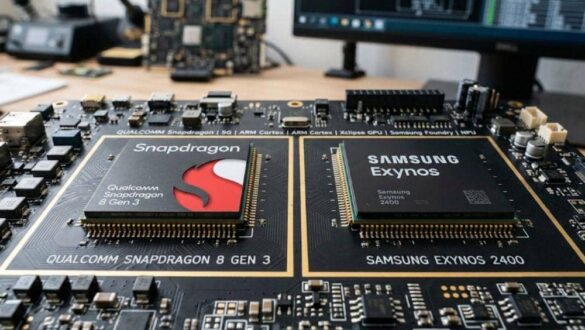
Memory chips or RAM are important components in a variety of computing devices, including mobile phones, tablets, and laptops. However, the supply is now increasingly limited due to high demand from AI data centers. Technology companies such as NVIDIA, Advanced Micro Devices (AMD), and Google are competing to secure the RAM supply to support the development of their AI technology.
As a result, the price of memory chips continues to increase and begins to put pressure on manufacturers and retailers of electronic devices. The impact is already visible. Apple, for example, has announced the increase in the price of the MacBook and iPad as a form of adjustment to the increase in the cost of the memory chip. The company also called memory scarcity an unprecedented challenge, and signaled the potential for further price increases.
Gartner’s senior analyst, Ranjit Atwal, estimates that this condition will have a significant impact on the electronic device market this year. According to Gartner’s research released in February, global personal computer (PC) shipments are estimated to fall by 10.4%, while smartphone shipments are estimated to decline 8.4%.
On the other hand, the price of cellphones and laptops is estimated to increase. Gartner projects a 17% increase in PC prices compared to the 2025 level, while smartphone prices are projected to rise 13%. According to Atwal, the increase this time was different from the spike in the price of the previous memory chip.
“What is different this time is how much the memory price increase and how long the high price will last,” he said, quoted from CNBC International, last weekend (26/6). He estimates that the price of the new memory chip will return to normal levels by the end of 2027.
Although the price increase has not been fully seen in stores because some retailers have added stock in the first quarter of this year, Atwal assessed that the condition was only temporary. “In the end, all will be affected. There will come a time when there will be nothing more that can be done other than continuing the increase in costs to consumers,” he said.
Atwal also assessed that some consumers may not immediately realize the price increase. Many users change laptops every four to five years so they no longer remember the price of the old device they buy. However, its impact on consumer behavior is expected to emerge in the near future.


One of the largest electronics retailers in the United States, Best Buy, estimates the computer division to be the most affected business due to the increase in memory chips prices. New CEO Best Buy Jason Bonfig said the company had seen a gradual price increase in the first quarter and expected the average selling price of the device to increase in the second quarter. The price increase is also expected to affect sales volume due to consumer sensitivity to prices.
Even so, until now Best Buy has not seen signs of consumers speeding up purchases or reducing spending due to the increase in memory chips costs. The company even recorded computer sales with positive growth over the nine consecutive quarters.
Loop Capital analyst Anthony C Hukumba assesses that large retailers such as Best Buy will be better able to deal with these conditions than small retailers, because they have a stronger bargaining position against suppliers. This allows them to withstand price increases longer.
However, greater risk remains looming over the industry. Atwal warns that the high cost of memory chips can make consumers delay the replacement of smartphones and laptops. If the trend continues, the device update cycle will be longer and manufacturers will be more difficult to drive sales of premium AI devices that require larger memory capacity.
This concern was also conveyed by a number of retail organizations in the United States, including the National Retail Federation (NRF). In a letter to the Treasury Department and the US Department of Commerce, they asked the government to review the imbalance in the supply of memory chips which are considered to have the potential to trigger significant price increases for consumers in the short term.
Vice President of Supply Chain and Customs Policy NRF Jon Gold said the impact was not only an increase in prices, but also a potential shortage of electronic products if the supply of memory chips remained limited. According to him, if consumers are holding back the use of old devices because the price of new cellphones and laptops is getting more expensive, the electronics market is at risk of experiencing a slowdown that also affects retailers and manufacturers.