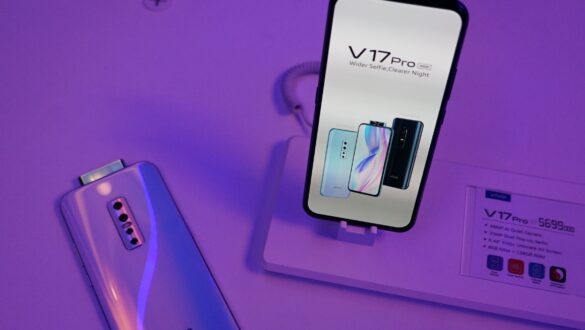
Meaning of IP rating on mobile phone: Dust and water resistance sign

What is an IP rating and how to read it?
If you’ve seen the specifications of a cellphone that mentions terms such as IP54, IP67, or IP68, you might feel confused about the meaning of the code. In fact, the IP rating is one of the important features that shows how tough an electronic device is against environmental exposure.
IP or Ingress Protection (sometimes also called International Protection) is an international standard that shows the level of protection of electronic devices against solids and liquids. For example, protection from fine dust or water splashes. The higher the number on the IP rating, the better the ability of the device to hold solid particles and liquids.
how to read ip rating
IP code consists of two digit numbers, for example IP56. The first number (5) indicates the level of protection against solid objects (such as dust). The second number (6) indicates resistance to liquids (such as water).
The level of resistance to dust ranges from 0 to 6, while protection against water is at levels 0 to 9K. Example:
- IP67 This means that the device is fully dustproof and can still survive if it is submerged in water for up to 1 meter for 30 minutes.
- IPX8 Shows waterproof device even without dust protection.
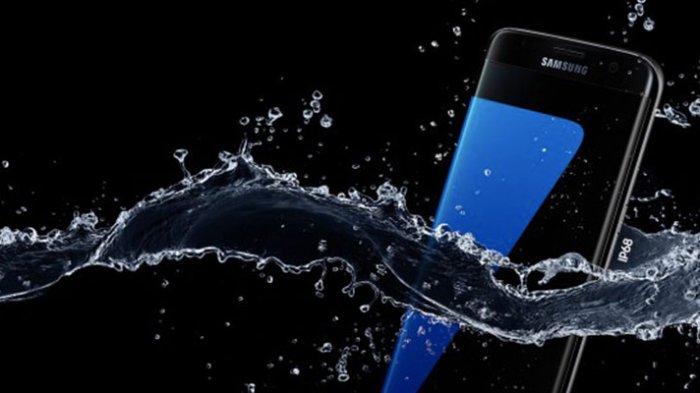
- Some high-end phones already have an IP68 rating, which means they can survive in water at a depth of 1-3 meters for 30 minutes.
The Importance of Understanding IP Rating Limitations
Despite having a high IP certificate, the smartphone is not fully waterproof. Water can still enter if used outside the test resistance limit. In addition, the warranty usually does not apply if the phone is damaged due to being submerged in water on purpose.
So, the IP rating serves more as an additional protection against unexpected incidents, such as a phone splashed or rained, not for extreme use in the water.


Tips for Using a Phone with a High IP Rating
Phones with high IP ratings such as IP68 provide the best protection from dust and water, but still must be used wisely so that their durability remains optimal. Here are some tips that you can apply:
- Avoid using your phone under water for a longer time than tested.
- Do not force the phone to survive in extreme conditions, such as hanging it under water or using it in a very humid environment.
- Clean the phone carefully after being exposed to water, especially if there is a splash or heavy rain.
- Check if there are gaps or small holes in the part of the phone that can be a water entry.
By understanding the meaning of IP rating and how to read it, you can be more vigilant in using your cellphone, especially when you are in an environment that is at risk of being exposed to water or dust. Although the IP rating provides additional protection, it is still important to keep the phone in the right way to stay durable and long-lasting.