10 ways to save money in the QRIS era even though shopping is getting easier

Advantages and Challenges of Using QRIS in Everyday Life
The presence of the Quick Response Code Indonesian Standard (QRIS) has brought major changes to the way people make transactions. By simply scanning the code via cellphone, payments can be made without cash, without waiting in long queues, and it feels more efficient. This convenience really helps with daily activities, especially for the younger generation who are attached to a digital lifestyle and high mobility.
However, on the other hand, quite a few people have started to feel that their expenses have become bigger and more difficult to control since they got used to using cashless payments. Without realizing it, the convenience of QRIS often triggers impulse shopping because it feels like the money isn’t really “coming out”. So that this doesn’t continue to happen again, it is important to understand the various ways to stay frugal in the QRIS era which can be implemented starting from the simplest habits.
1. Recognize every QRIS transaction as real money
One of the main reasons why spending feels more wasteful when using QRIS is because there is no physical movement of money. When paying with cash, we can directly see the bills changing hands and the amount decreasing, so the brain is more aware that we are spending money. In contrast, digital transactions only require one scan and confirmation, which makes the spending process feel fast and almost without emotional burden.
To overcome this, it is important to build awareness, every QRIS transaction still has a direct impact on financial conditions. Get in the habit of pausing before pressing the pay button and asking yourself whether the expense is truly necessary. By treating QRIS like real cash, you will be more careful and less easily tempted to make impulsive transactions.
2. Separate balances for needs and wants

Combining all balances in one digital wallet often blurs the lines between needs and wants. As a result, money that should be allocated for food, transportation or routine bills is instead used for snacks or short-term entertainment. This condition is increasingly difficult to control because QRIS transactions feel too practical and fast.
Separating balances is a simple but effective solution to managing expenses. You can use digital wallets or different accounts for basic needs and entertainment. With this division, you have clearer control over the flow of money and can restrain yourself when the balance for your wishes runs low.
3. Determine your daily budget before starting transactions

Without a clear budget, using QRIS has the potential to cause expenses to run aimlessly. Many people only realize their money is running low at the end of the month without knowing where the expenses go. In fact, small expenses that occur repeatedly are often the main cause of financial leakage.
Determining a daily budget helps you set firm limits from the start. By knowing the maximum amount of money you can spend each day, you will be more selective in making transactions. This habit keeps the use of QRIS under control and is an important part of how to stay frugal in the QRIS era.


4. Don’t use promotions as an excuse to shop

Cashback promos and QRIS discounts do look profitable, especially if they often appear on digital wallet applications. However, without realizing it, promotions often trigger purchases that were not actually planned. Instead of saving, expenses actually increase because the frequency of shopping increases.
To stay wise, it is important to change your perspective on promotions. Make promotions an additional benefit, not the main trigger for shopping. By considering your needs first before being tempted by discounts, you can enjoy promos without having to sacrifice your financial condition.
5. Get used to checking notifications and balances after payment
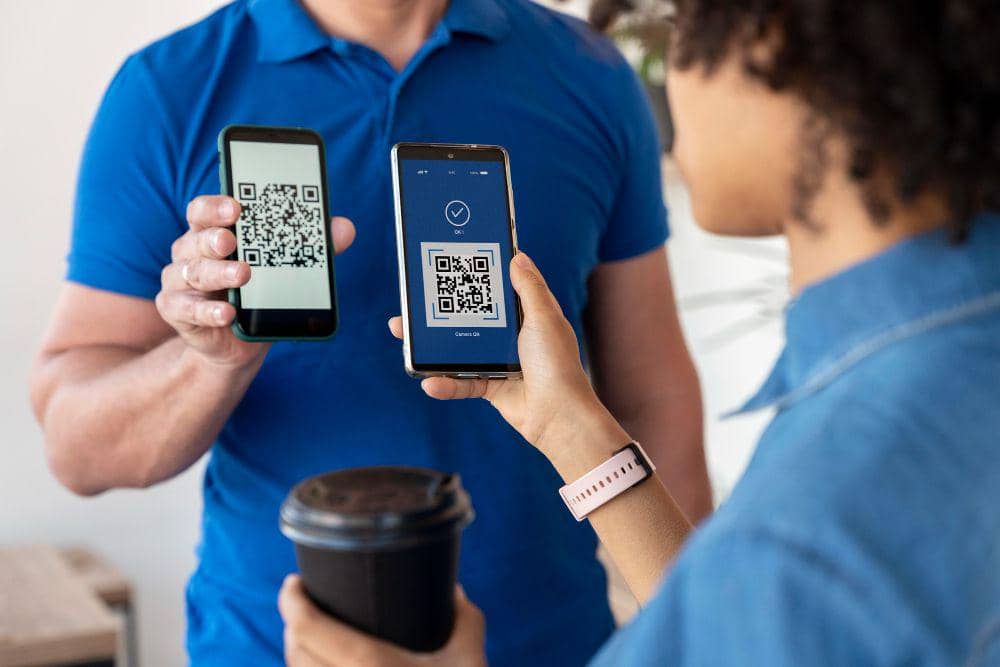
Transaction notifications are often only glanced at and then ignored. In fact, this notification functions as a reminder, your money is actually reduced every time you make a payment. If this habit continues to be ignored, spending will feel unreal and difficult to control.
By getting into the habit of checking notifications and balances after every transaction, you keep your financial awareness active. This simple habit helps you understand your daily spending patterns and assess whether your spending is within your budget. In the long term, this step is very effective in keeping finances stable in the QRIS era.
6. Fill your digital wallet balance sufficiently

Having a large balance in a digital wallet often creates a misleading sense of security. When they see that they still have a large balance, someone tends to be more relaxed in spending money because they feel that spending will not immediately have a big impact. This condition makes repeated small transactions feel normal, even though if they are collected they can slowly drain your finances.
Topping up a sufficient balance helps establish better control over spending. With a limited balance, you will be more selective before making transactions and more aware of your priority needs. Apart from that, the risk of loss is also smaller if technical problems or security problems occur with the digital wallet account.
7. Regularly evaluate QRIS transaction history

One of the main advantages of cashless payments is that transaction records are stored automatically and neatly. Unfortunately, this feature is often overlooked because many users rarely open their own transaction history. In fact, from these records, you can see spending patterns more objectively and in detail.
By regularly evaluating your QRIS transaction history, you can identify small expenses that you often miss, such as daily allowances or additional costs that seem trivial. If done consistently, this evaluation helps you determine which expenses need to be reduced. This step is very effective for building healthier financial habits.
8. Postpone impulse purchases for at least 24 hours

The convenience of QRIS makes the shopping process feel instant and almost seamless. When you see something interesting, payment can be made immediately without much consideration. This situation often triggers impulse purchases that you end up regretting.
Giving a minimum of 24 hours before making a payment helps you think more rationally. During that time, you can reassess whether the goods or services are really needed. This delaying habit has proven effective in reducing unnecessary expenses.
9. Use QRIS only at official and trusted merchants
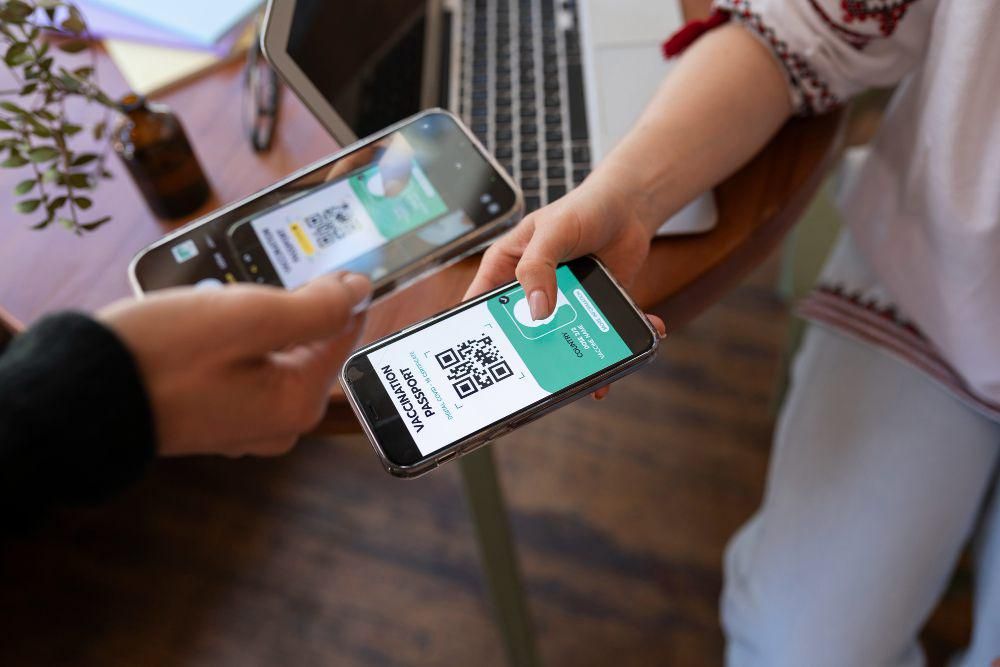
Apart from spending, transaction security also affects financial conditions. Using QRIS at merchants whose identities are not clear risks causing problems, such as wrong transfers or fraud. This risk can lead to financial losses that could have been avoided.
Make sure to always check the merchant name before making a payment. Use QRIS only in places that have a clear and trusted identity. With safe transactions, you can manage your finances more calmly and focus on expenses that are truly necessary.
10. Set financial goals to be more disciplined

Without clear financial goals, managing expenses often feels difficult and directionless. Many people end up following their momentary desires because they don’t have a target to achieve. This makes the use of QRIS less controlled.
By setting financial goals, such as saving, emergency funds, or long-term plans, you will be more careful before making transactions. Each expenditure will be considered for its impact on these objectives. This is an important key so that the method of remaining economical in the QRIS era can be implemented consistently.
QRIS is not the main cause of wasteful spending, but rather the way it is used is less wise. With planning, discipline and financial awareness, cashless transactions can actually help manage your finances more neatly. Start implementing the steps above so that you remain comfortable making digital transactions without worrying about your wallet running low quickly.