5 Tips to Protect Yourself from Deepfake

Understanding Deepfake Technology and Emerging Threats
Deepfake is a term that refers to digital engineering in the form of a photo, video, or audio that is modified to make it look real. This technology is able to create content that is very similar to the original, it can even make someone look like saying or doing something he never said or did. By utilizing the concept of deep learning in AI, Deepfake is able to produce content with high realism, including imitation of sound, intonation, to movements that are difficult to distinguish from the original.
The presence of this technology brings various concerns, such as privacy issues, identity theft, and misinformation. Deepfake is increasingly blurring the boundary between fact and lies, so it is often misused for various crimes, such as fraud, identity theft, biometric system burglary, to the spread of fake news. Many people feel safe because they do not use AI products, even though this technology can collect data from millions of people via the internet, including photos, videos, and voice recordings circulating on social media.
Although it is difficult to avoid completely, there are several steps that can be taken to reduce the risk. The simplest way is to be careful of what is shared publicly. Here are some tips that can be done to protect yourself from the threat of Deepfake:
1. Wisely Sharing in the Virtual World
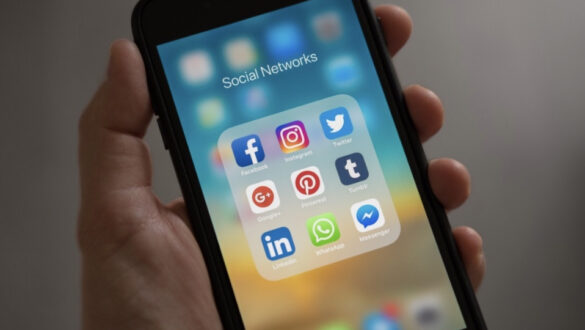
The first step to protect yourself from the threat of Deepfake is to be careful in sharing personal information on the internet. Limit public information, especially high-quality photos and videos. Set social media privacy so that only trusted people can see uploads. Thus, the risk of personal data is used to make Deepfake can be minimized.
2. Strengthen data privacy and security
Use privacy settings on multiple platforms to limit anyone who can access photos, videos, or personal information. When sharing images or videos, consider giving digital watermarks so that traces of engineering are easier to track. This can be an important step in identifying whether a content has been engineered or not.
3. Use double authentication and strong password
Protect important accounts with multi-factor authentication (MFA). With this method, login requires additional steps, such as face scanning, unique code via SMS, or a special authentication application. Also use a password that is long, strong, and unique at least 16 characters, then save it safely using a password manager equipped with MFA. This will strengthen account security and reduce the risk of illegal access.
4. Routinely update the device and be alert phishing
Make sure the device and application are always updated automatically so that security holes are not exploited by hackers. Also be aware of suspicious messages via email, SMS, or telephone, especially if the content demands a quick response, such as a gift claim or hacking warning. Awareness of phishing can prevent leakage of personal data.
5. Don’t Believe
Stay skeptical of video or audio that goes viral on social media, especially if the source is not clear. Immediately report Deepfake content that drags the individual or the closest person. By staying alert and taking quick action, we can help reduce the negative impact of this technology.