how to deal with sticky motorcycle brakes to discs

Causes and solutions for sticky disc brakes
Disc brakes on motorbikes are an important component that plays a role in maintaining the safety of the rider. However, sometimes disc brakes can experience problems such as feeling sticky or holding the wheel even if it’s not being pressed. This problem often appears on daily motorbikes that are often used in environments with bad weather conditions, such as rain or dusty roads, and are rarely carried out routine maintenance. If not treated immediately, this condition can cause wear of the brake pads, excessive heat on the disc, and interfere with driving comfort.
The stickiness of the disc brakes is usually caused by several factors, such as dirt that accumulates on the canvas, the piston caliper is jammed, or the quality of the brake fluid is decreasing. To overcome this problem, the driver needs to understand the cause so that the handling can be done properly without having to replace the components excessively. Here are some solutions that can be done:
1. Clean the calipers and brake pads regularly
One of the most common causes of sticky disc brakes is dirt and dust that accumulates on the caliper and brake pads. Street dust, mud, and flakes can make the movement of the pads not return completely after the brake lever is removed. To fix this, do the cleaning by opening the caliper, removing the pad, then spraying it brake cleaner on the inside of the caliper and the surface of the brake pads.
Use an old toothbrush to remove stubborn dirt, especially on the clamp clamp. After that, make sure the lining is re-installed properly and the movement is not stuck. This method can return the brake response to normal conditions without having to replace the components.
2. Lubricate and make sure the caliper piston is not jammed
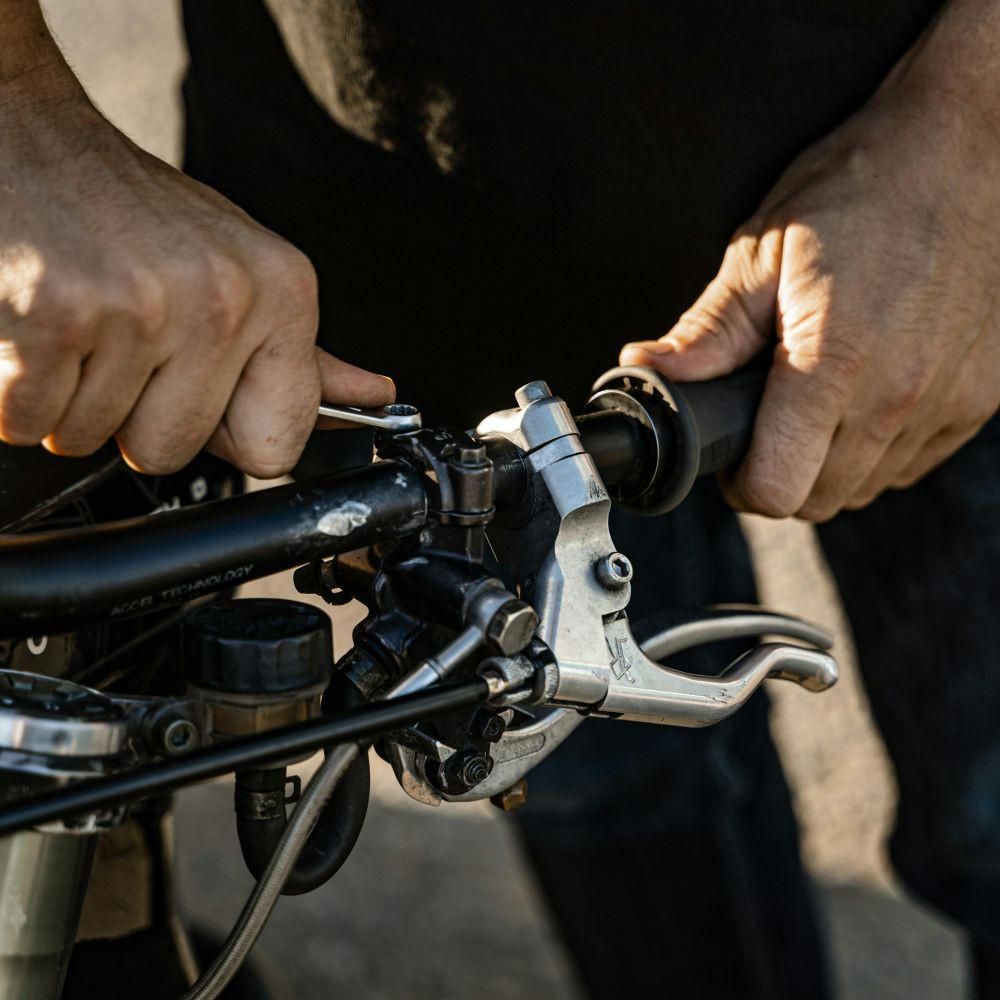
The piston caliper that is stuck or pressing the canvas continuously can cause the disc to feel heavy and make a friction sound. This condition is usually the result of rust or lack of lubrication in the piston seal. To solve this problem, the piston must be carefully removed using the brake lever pressure, then cleaned with a soft cloth.
Apply a little grease for the brakes on the lip of the seal (not on the surface of the canvas or disc) so that the piston can move more smoothly. If the piston looks scratched or severely rusted, it should be replaced so that the braking system remains safe. Maintenance of the piston area is very important because it is this part that determines how smooth the canvas moves when the brakes are used or removed.
3. Change the brake fluid and do the bleeding
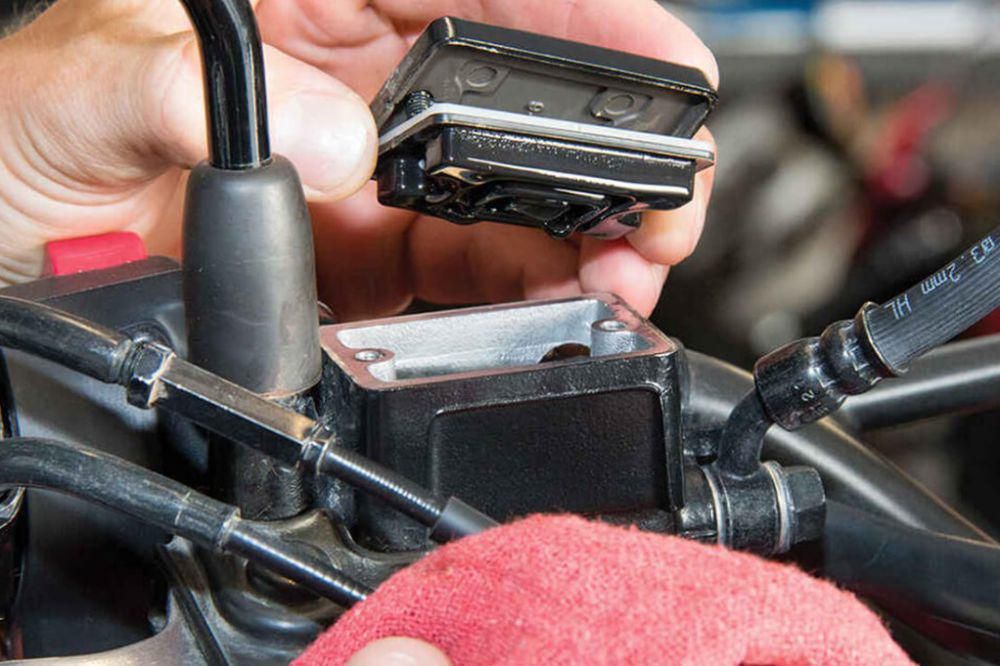
Old, water-containing, or mixed brake fluid can make hydraulic pressure return to normal so the brakes feel hanging. The solution is to change the brake oil regularly, ideally every 1-2 years depending on usage. After the oil is changed, do the process BLEEDING or exhaust air from the brake system so that the hydraulic pressure is stable again.
The air trapped in the brake hose can cause the lining to not return to its original position. Make sure all the drain bolts are tightened again and the oil in the reservoir is at a safe limit. With new oil and a clean hydraulic system, disc brakes will work more responsively and are no longer sticky.


Conclusion
With the above steps that are carried out regularly, the motorcycle disc brakes will be maintained and the risk of stickiness can be minimized. Simple but consistent maintenance is the best way to maintain safety and comfort in driving every day.