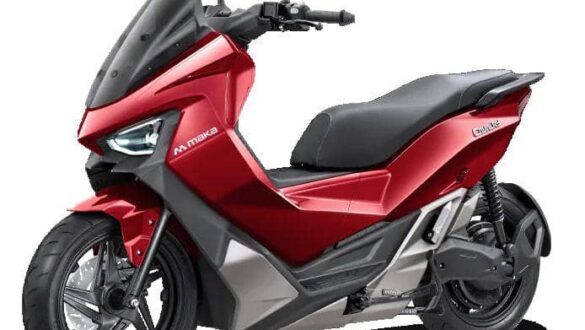
Why do many bikers turn off the CBS motorcycle brakes?

Why do many Honda riders choose to disable CBS?
Many new motorcycles, especially scooters, are now equipped with the Combi Brake System (CBS) feature. This system is designed so that the rear brake works when the front brake lever is pulled, so that the braking becomes more balanced and the motor does not slip easily. On paper, CBS is considered a very useful safety feature, especially for novice drivers who are not used to managing the braking portion correctly.
However, there is an interesting phenomenon that occurs among Honda motorcycle riders. Many of them actually choose to deactivate CBS on their motorbike. The question is, why are the safety features provided by the manufacturer removed? To understand this, it is necessary to look at various aspects such as driving habits, user needs, to the culture of modification that is developing in Indonesia.
Common Reasons to Disable CBS
1. Less free to set the braking style itself
The most common reason is discomfort when braking. Many riders feel the CBS limits control because when they want to use the rear brake only—for example, when crawling in traffic jams or slow maneuvers—the front brakes still work. In certain situations, especially on slippery roads or when cornering, this can feel less natural.
Experienced riders usually already have their own braking distribution preferences, so they want the front and rear brakes to work separately to make the driving sensation more precise. By disabling CBS, bikers feel the motor is more responsive to the input they want.
2. Habits of modification and use outside the city
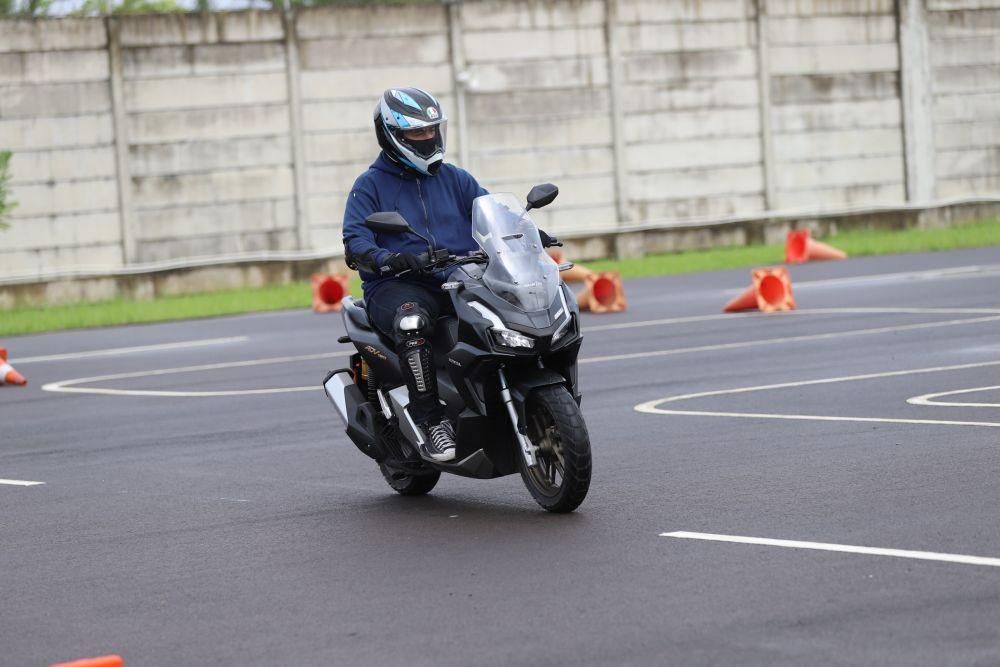
Many Honda motorcycle owners make modifications to the legs, such as changing calipers, brake masters, hoses, to tire sizes. CBS is sometimes considered to interfere with the new brake settings or make the modification results not work optimally. For touring users, scooter-based trail bikes, or those who often pass through dirt roads, CBS is also considered less suitable.
When off-road is light, some bikers need more full control on the rear brakes so as not to lose traction. For this reason, some modification workshops offer services to disable CBS as part of the handling improvement package. For them, the customizable brake function is considered to be more suitable for travel needs.
3. Safety risks and technical consequences
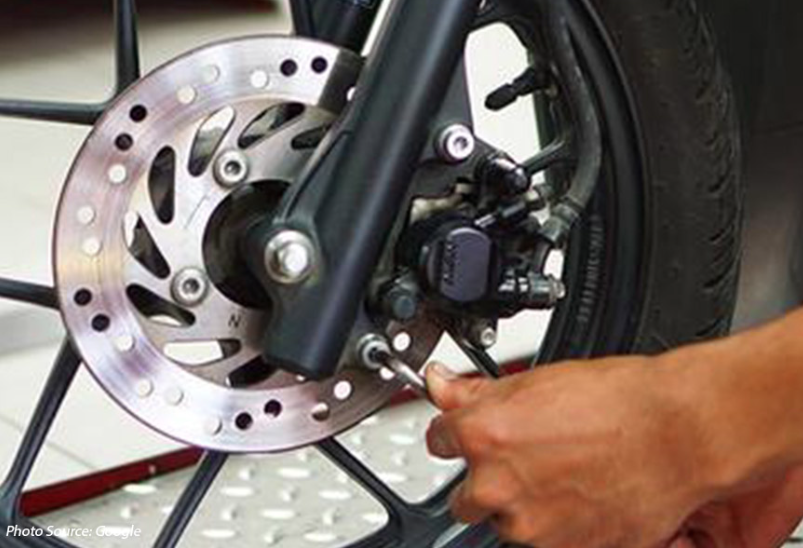
Although many do it, disabling CBS is not without risk. The braking system that has been designed by the manufacturer can lose its balance if it is changed carelessly. If the process is not carried out by experienced technicians, the brakes can feel too gripping, uneven, or even less biting.
In addition, turning off CBS can have an impact on warranty claims because it is considered a modification of vital components. More importantly, novice drivers or daily users may lose the safety advantage that CBS provides, especially when panicking braking at high speeds. Therefore, this decision must be considered carefully, including considering road conditions and daily driving habits.


Conclusion
In the end, the reason for disabling CBS is highly dependent on the preferences and needs of each biker. There are those who feel more free to control the motorbike, some adapt it to modifications, and some are just following the trend. However, it is still important to understand the consequences, maintain safety, and ensure that changes are made correctly and responsibly.
Is it true that often hitting the brake pads for the motorcycle to run out faster?