I Set 4 Rules to Limit My Kids’ Screen Time

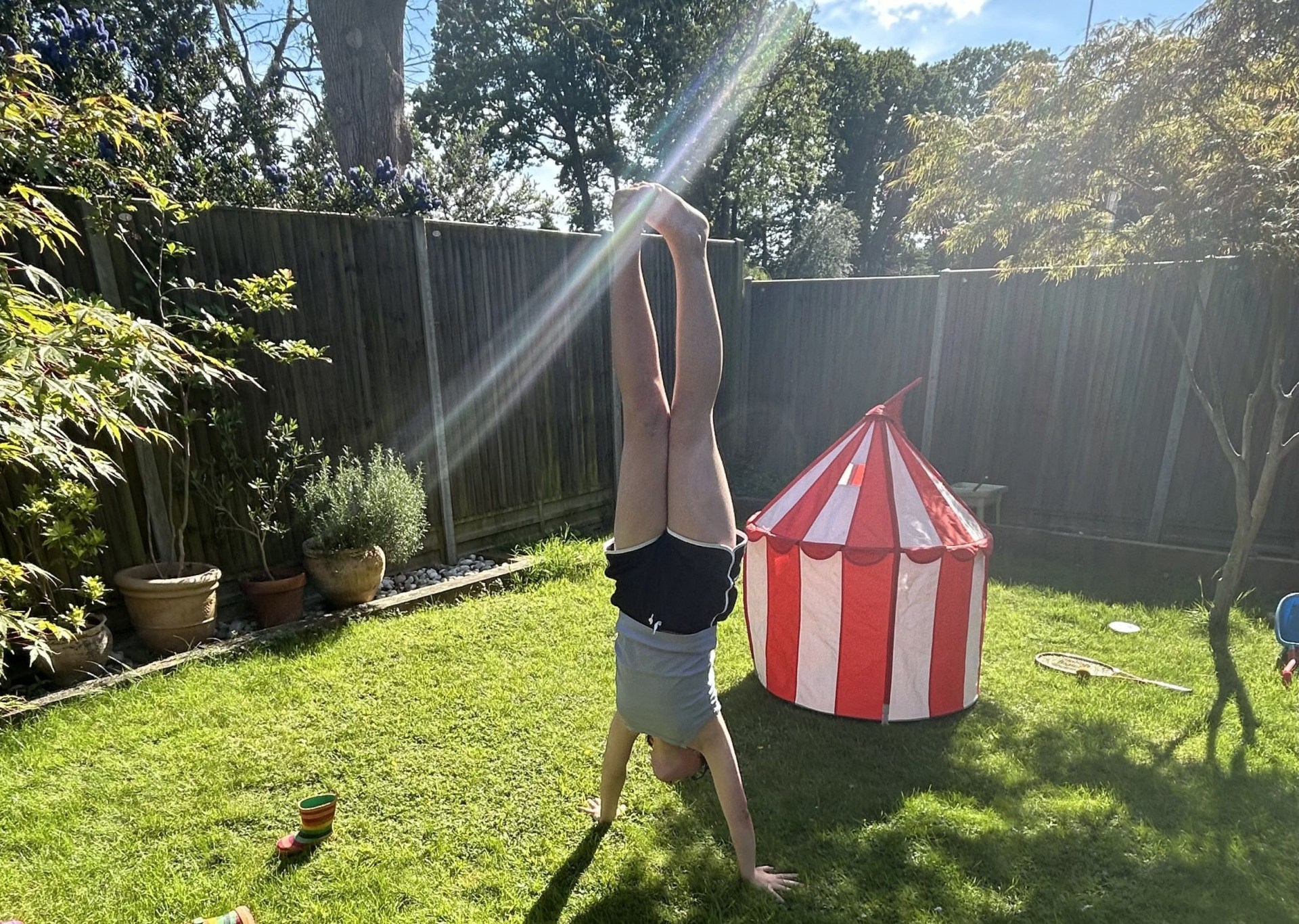
Sitting in the garden with a book in hand, I watched as my 11-year-old daughter Ella demonstrated how long she could hold a handstand. It was something she had been practicing for months, and even though I was on a break from work, I felt happy that we were all doing something outside rather than being glued to screens.
The summer holidays were in full swing, and I was enjoying every moment of it—well, almost. This was because the kids, Ella and her seven-year-old brother Leo, hadn’t once said “I’m bored” or asked for screen time. I had my four rules before screen time to thank for that, but more on that later.
This wasn’t always the case. During previous school holidays, when we had no plans, the kids’ default was to ask for TV or tablet time. While I’m not against some screen time, I was bothered by the fact that my creative and imaginative children were choosing to entertain themselves with screens.
We had strict boundaries on how much time they could spend on screens—around an hour at a time, which they mostly followed. However, there were times when they exceeded that limit, and I think this is where things started going off track. The lack of consistency was the problem.
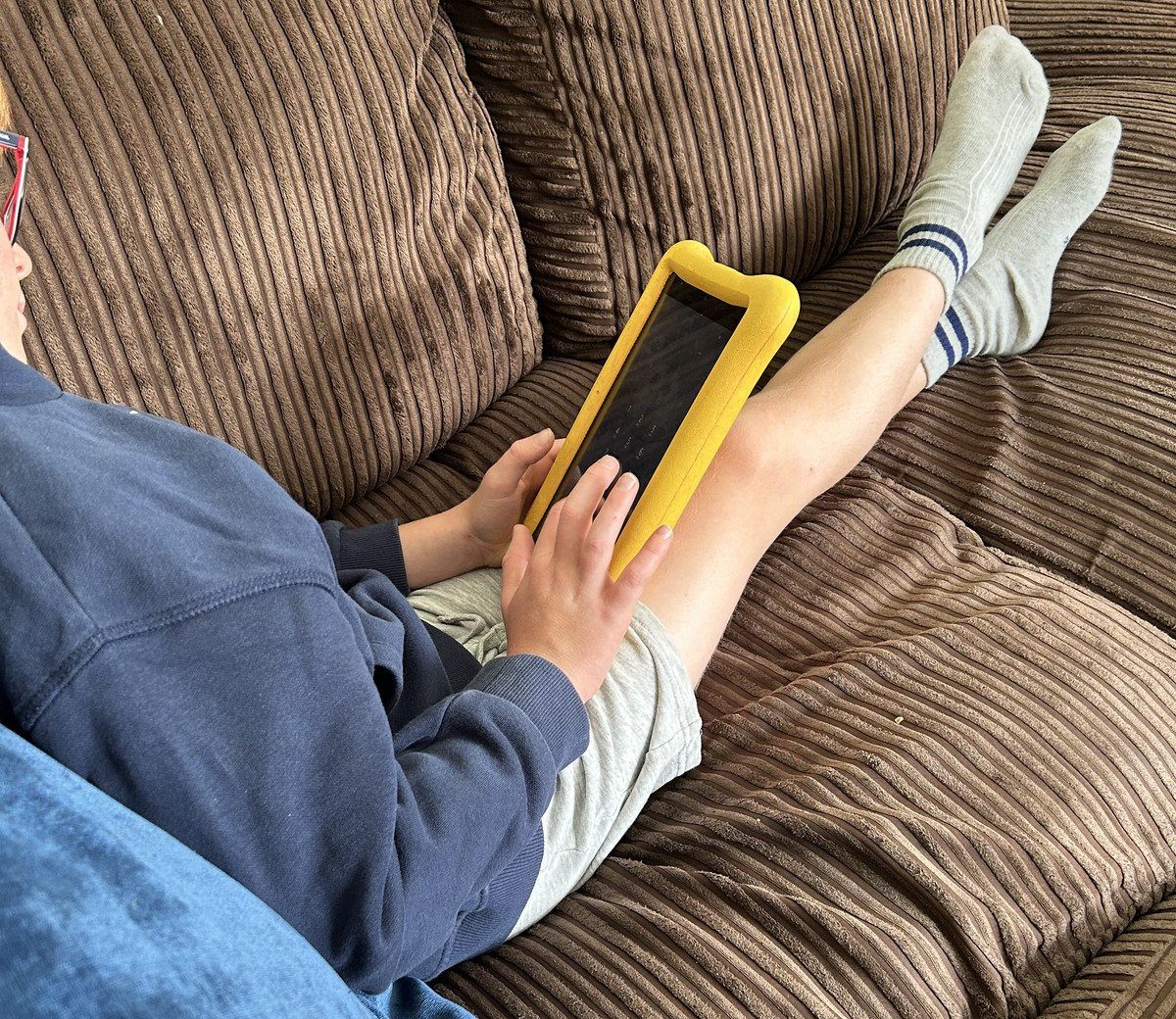
Our kids constantly asking for screen time meant my husband and I were often saying “no” to get them to do something more productive. We believe childhood shouldn’t be spent with heads permanently in a screen. But this made us all miserable, as even though saying “no” isn’t bad, parent guilt would still creep in, and the kids felt like they were missing out, assuming their friends were spending endless hours online or watching TV.
And we weren’t alone. Research shows that excessive screen time can negatively impact mental health, sleep, behavior, and even lead to cyberbullying and exposure to inappropriate content. There’s no escaping the fact that the digital world has become a real issue for kids.
To address this, I introduced a “boredom jar” during the 2020 lockdown. It contained activity prompts written on colored lolly sticks, which the kids could choose from when they felt bored. Things like making a comic strip, building a den, or painting rocks. They liked the idea, and it sparked their imaginations.


However, by last summer, even the “boredom jar” was becoming boring. After a few times suggesting activities from the jar, we added extra conditions, like limiting the time for each activity so they wouldn’t just do something for 10 minutes.
Feeling frustrated, I decided to change tactics. I had heard about screen time charts, where kids write down how much screen time they want and what they will do beforehand. While these give some responsibility to children, I believe parents should ultimately be in control.
So I thought about what I wanted my kids to do and what they might compromise on. Then I came up with four things for them to ask themselves each day during the holidays:
- Have I spent a minimum of 60 minutes outside?
- Have I read?
- Have I played? (Minimum of 60 mins)
- Have I tidied up after myself?
The kids were skeptical but agreed that these rules were achievable. Crucially, they understood that they were non-negotiable.
I was a little apprehensive about how well they would work, but we implemented them straight away, and the results exceeded my expectations.
The “Boredom Jar” no longer became boring. If they couldn’t think of something to do independently, they would ask for the jar for inspiration. They happily sat outside in a den, writing stories and poems, or spent time making potions with colored water, essence, and natural items they had foraged on a walk.
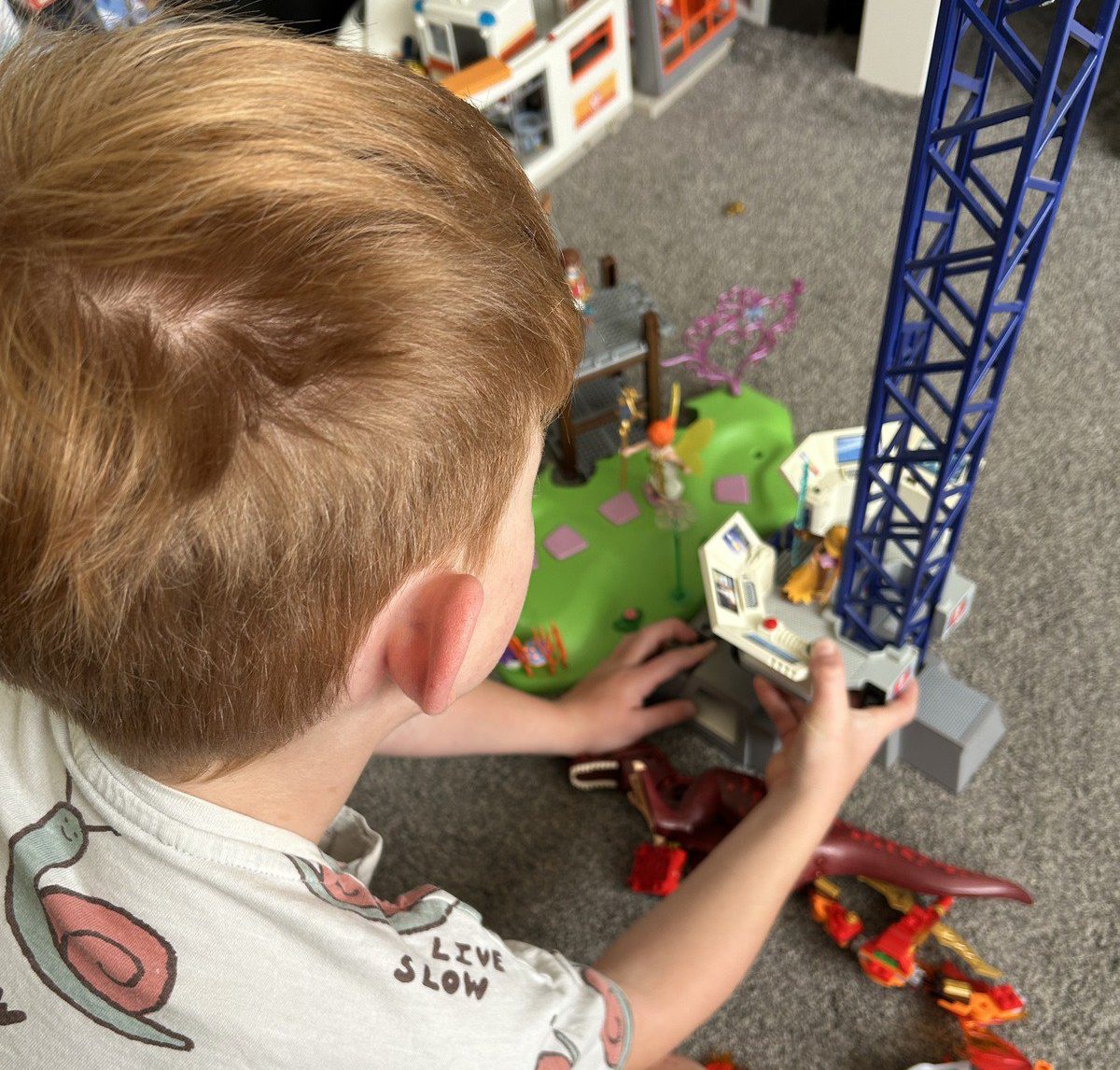
They rediscovered their love for Playmobil and playing board and card games together. Plus, their bedrooms and the living room had never been tidier. They had definitely earned their screen time and made sure we knew it!
On the first and second days, there were a few reminders needed of the rules—but after a couple of days, the children only asked for screen time once they had done the four things.
What surprised me was that they often spent much longer doing these things than the minimum time suggested—from reading for an hour or playing outside pretty much the whole day.
The days of saying “I’m bored” were gone. In fact, some days they didn’t even ask for screen time at all.

The kids were happier too. You could see the excitement they felt at completing a series of books and creating new ways to play with their existing toys. There was also a sense of pride when they made something with junk modeling or Lego.
The success of this approach led us to make it a permanent house rule, not just for the holidays but all year round. We already have a gaming and tablet ban during the week, but these rules help regulate TV during the week, along with homework being completed, and then on weekends, when all screens are allowed.
Implementing boundaries to create healthy screen time habits is vital for our children’s wellbeing, and I would urge other parents to give this a try. It has worked so well for us, and I know it can work for others too.
Ella’s daily dedication to a handstand now means she can hold one for around five seconds, and Leo’s cricket skills have vastly improved by spending more time outdoors.
It’s led us to declare that we’ve finally (just about) got it right.