UFO Vault’s 3.8M Files Wiped After Trump Orders Alien Docs Release

The Mysterious Disappearance of a Major UFO Archive
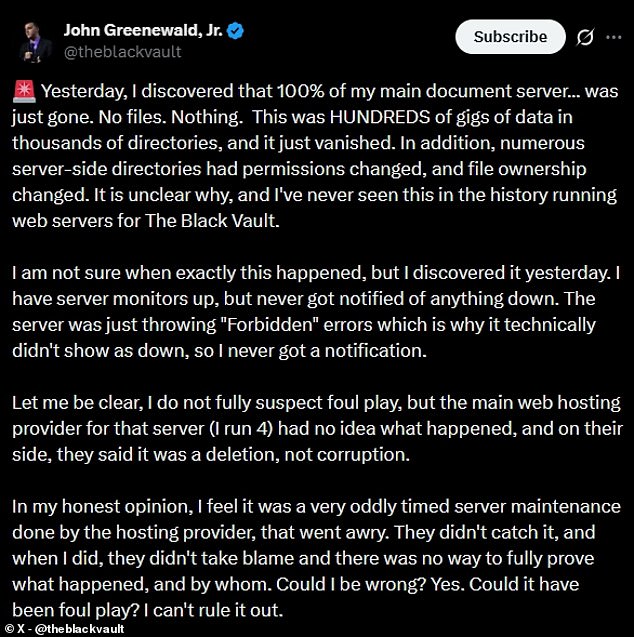
A significant online repository of declassified U.S. government documents, known as the Black Vault, experienced an unexpected and alarming event. On February 20, the site’s main server was reportedly wiped clean, leading to the loss of hundreds of gigabytes of data related to UFOs, CIA projects, and major historical events such as the assassination of President John F. Kennedy.
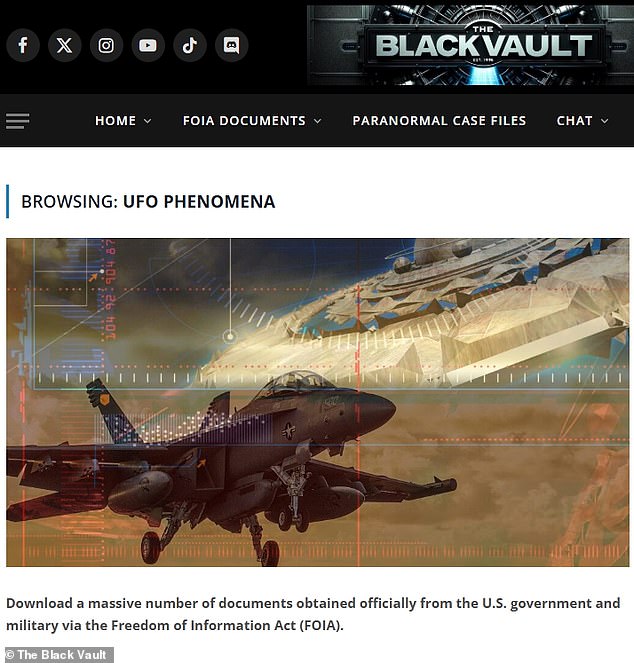
The Black Vault, managed by researcher and ufologist John Greenewald Jr., had become a critical resource for those interested in uncovering what the government has disclosed over the past eight decades. For three decades, Greenewald has meticulously organized information about hidden programs and incidents that suggest the U.S. may have been involved in secret efforts to recover and study alien technology.
The sudden disappearance of these files raised many questions. Greenewald shared the news on social media, explaining that some server directories had their permissions and file ownership logs changed without explanation. This led to the deletion of all files stored on the server, although the website itself remained operational.
The timing of this incident was particularly unusual. It occurred just hours after President Donald Trump ordered the Pentagon to disclose any information related to alien and extraterrestrial life, unidentified aerial phenomena (UAP), and unidentified flying objects (UFOs). This move came after Trump publicly criticized former President Barack Obama for stating that aliens were real, claiming that Obama had revealed “classified information.”
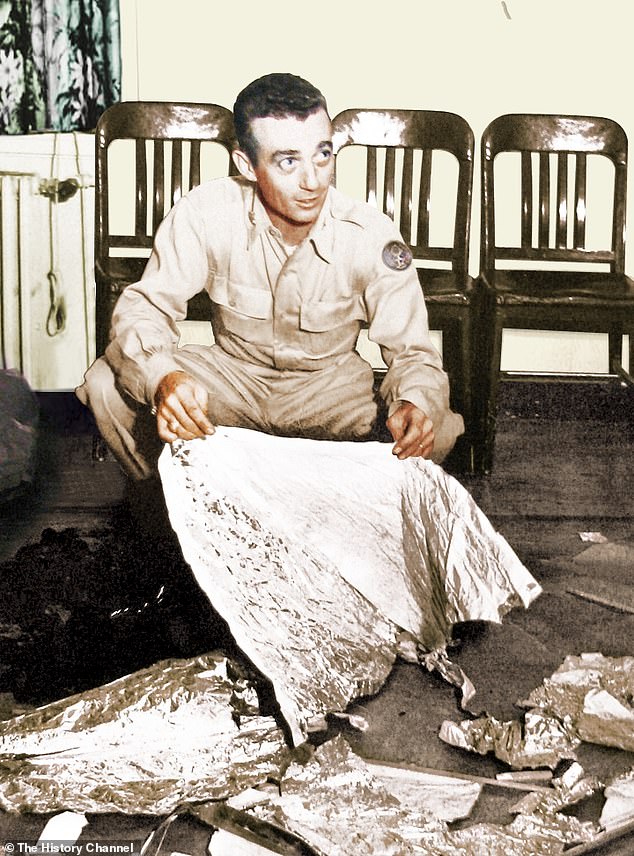
Greenewald has long been a vocal advocate for transparency, having filed over 11,000 Freedom of Information Act (FOIA) requests with the U.S. government. His work has uncovered declassified reports dating back to the alleged UFO crash landing at Roswell in 1947. He has also documented the formation of secret task forces, such as the Majestic 12 (MJ-12), which allegedly investigated sightings of alien spacecraft and non-human technology.
Despite the apparent sabotage, Greenewald noted that all more than 3.8 million files were backed up in secure locations, allowing the site to be restored shortly after the incident. In a statement, he emphasized the importance of keeping backups and not being intimidated by unexpected challenges.
The hosting provider of the Black Vault reportedly ruled out data corruption, pointing instead to a deliberate erasing of the files. This leaves open the possibility of hacking or other malicious activities. Experts suggest that data wipes can occur due to software glitches, human error, or incompatible changes during routine updates. However, the nature of this incident raises concerns about potential breaches through vulnerabilities such as weak passwords or outdated software.
Critics of the Trump administration’s promise to release UFO-related documents argue that the move is more of a political stunt than a genuine effort to uncover the truth. They point to previous document releases, such as those related to President Kennedy’s assassination and the Jeffrey Epstein case, which were heavily redacted and lacked definitive evidence.


The incident highlights the ongoing debate surrounding UFOs and the government’s role in investigating them. While some believe that the U.S. has been hiding information about extraterrestrial encounters, others remain skeptical about the true extent of the knowledge available.
As the mystery surrounding the Black Vault continues, it serves as a reminder of the importance of transparency and the need for continued scrutiny of government actions. Whether the incident was a simple technical error or something more sinister remains to be seen, but one thing is clear: the public’s interest in the truth about UFOs and extraterrestrial life shows no signs of waning.