What ‘Unlimited Data’ Truly Means in 2026

Understanding the Real Meaning of “Unlimited” Data Plans in 2026
The promise of unlimited data plans is often too good to be true. While mobile carriers promote these packages as offering boundless usage, there are usually hidden restrictions that consumers need to be aware of. In today’s hyperconnected world, it’s crucial for users to understand what “unlimited” really means and how it affects their daily internet experience.
Fair Usage Policy (FUP)

Despite being labeled as “unlimited,” most data plans come with a Fair Usage Policy (FUP). This policy sets limits on data consumption, typically capping usage at 50GB per month. Once this threshold is exceeded, network providers throttle speeds, which can significantly impact streaming quality and overall performance. The FUP is designed to prevent network congestion by limiting heavy users through reduced speeds and streaming restrictions.
Entry-Level All-Access Data Bundles

For budget-conscious users, entry-level all-access data bundles offer a way to access unlimited data. However, these packages often come with heavily deprioritized speeds. The service is suitable for casual users who primarily use social media or light browsing. Premium features such as high-definition streaming or fast downloads are limited at this tier.
Premium Packages

True network freedom comes at a premium price. These exclusive unrestricted deals remove all speed restrictions and deprioritization limits. Subscribers enjoy consistently fast connections and high-definition streaming without any limitations. However, the higher cost reflects the enhanced mobile experience offered by these plans.
Unlimited Hotspot & Tethering Allowances

Most all-access deals include specific limits for mobile hotspot usage, typically ranging from 30 to 100GB of high-speed data. Once this cap is reached, speeds drop significantly until the next billing cycle. Heavy users who stream videos or work remotely should monitor their consumption carefully. Some premium plans, like Verizon’s, offer up to 150GB of 5G hotspot data.
Deprioritization And Network Priority
Network carriers manage speeds through deprioritization. Consumers on basic plans may experience slower connections when networks get crowded. Premium subscribers, on the other hand, avoid these restrictions and maintain fast speeds even during peak times. Entry-level packages can be slowed down anytime, regardless of usage levels.
Application-Specific Restrictions

Even with an all-access plan, there may be application-specific constraints. Standard video streams may be limited to 480p resolution. Data-hungry services like gaming and video calls may suffer speed penalties after reaching certain thresholds. Carriers often require customer service interaction or online toggles to enable full 4K streaming quality.
Roaming and International Use

While unlimited data sounds appealing, international restrictions tell a different story. Carriers often cap overseas usage between 5 and 25 GB monthly before slowing speeds significantly. For example, Verizon offers 15 GB of high-speed data across 210 countries. Heavy international users may face throttling or plan review after extended use.


Mid-Tier Plans

Mid-tier plans like AT&T’s Unlimited Extra EL provide a balance between affordability and performance. These plans offer 75GB of premium data allowance, delivering more reliable service than basic options without the premium price tag. Speed reductions may occur after reaching thresholds, but family offers provide notable per-line savings.
Speed Consistency & Throttling
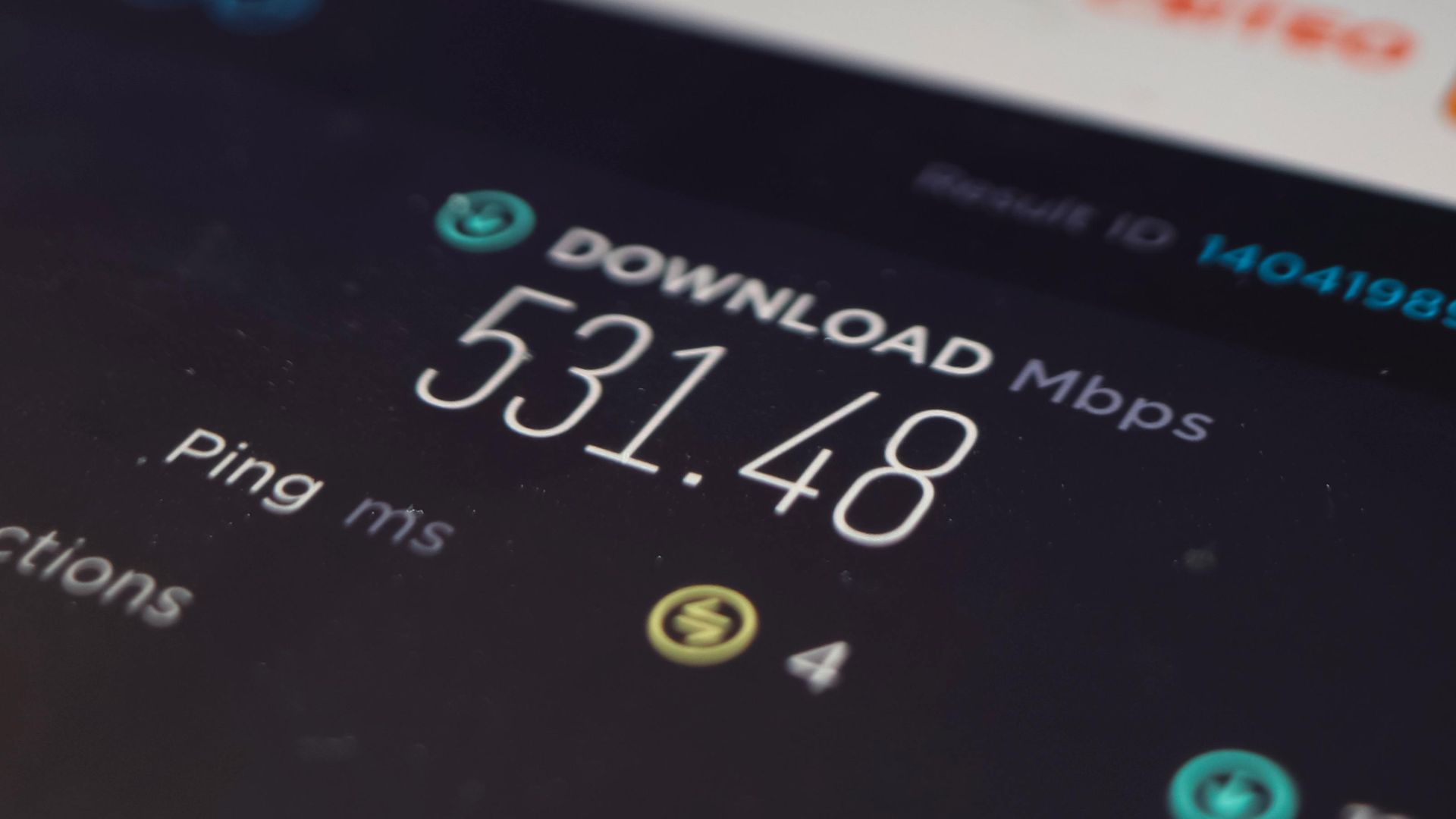
Modern carriers use throttling to regulate network traffic, typically imposing monthly caps over daily limits. When speeds drop to 128-512 kbps, users face major slowdowns. Downloading files or streaming videos becomes extremely difficult. These restrictions aim to keep networks stable and ensure a consistent experience for all users.
Transparency & Regulation

New transparency laws have been introduced to protect consumers from deceptive marketing of unlimited plans. Carriers must now clearly outline exact speed limitations and network management policies. Several companies faced scrutiny for unclear advertising practices, leading to website disclosures that use simple language to explain real service restrictions.
Understanding the true meaning of “unlimited” data plans is essential for making informed decisions. By being aware of these hidden restrictions, consumers can choose the right plan that best suits their needs and ensures a seamless mobile internet experience.