Why does the automatic motorcycle engine buzz when accelerated?

the cause of the buzzing sound on the automatic motor cvt
Automatic motors with CVT systems are known to have smooth and comfortable operation. However, many motorists suddenly felt surprised when they heard a buzzing sound when the motorbike was being driven faster. This sound is often annoying because it appears consistently, especially when the speed starts to increase and the engine sounds heavier. This phenomenon can cause anxiety, especially if the motor usually rarely shows symptoms like this.
Interestingly, this buzzing sound doesn’t always mean major damage, but it’s still important to understand so as not to make a mistake in caring for the vehicle. In this article, we will explain some of the common causes of buzzing sounds on CVT and how to overcome them.
1. CVT components have started to wear out and lose precision
When the CVT component begins to wear out, the friction between its parts is no longer as smooth as usual, and this condition produces a buzzing sound as the speed increases. This wear can occur on the roller, v-belt, or roller housing that begins to lose its optimal shape. Conditions like this signal that the CVT system is working harder than it should.
Over time, the worn part will be increasingly difficult to maintain the stability of the rotation so that the buzzing sound is more pronounced. At this point, the performance of the motor can go down and acceleration will also weaken. Furthermore, if left unchecked, the damage can spread to other components and trigger a repair cost that is greater than the initial estimate.
2. The V-belt experiences excess voltage when the speed increases
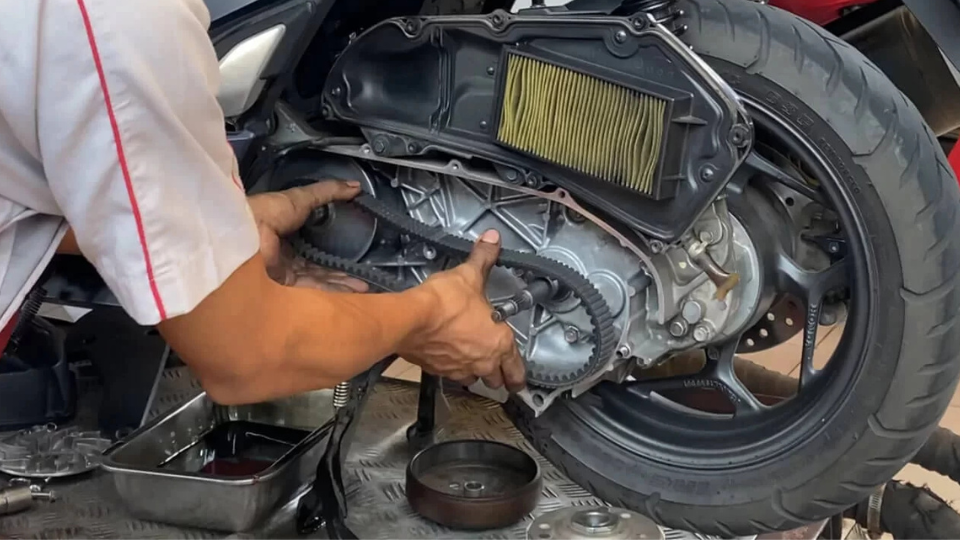
V-belts that are too tense will cause additional pressure on the CVT system, especially when the motor is driven faster. Tensions that exceed the limit make the rotation unbalanced and the buzzing sound appears as a mechanical reaction. This phenomenon often occurs in motors that are rarely serviced or have not replaced the v-belt for a long time.
If this condition continues, the V-belt is at risk of tearing or breaking in the middle of the road, and it is clearly very dangerous. In addition to the increasing buzzing sound, the acceleration of the motor also feels choked because the V-belt is not able to work optimally. Ignoring this condition will only make the trip more uncomfortable and the potential for damage increases.
3. The roller is too dirty and loses the spin balance
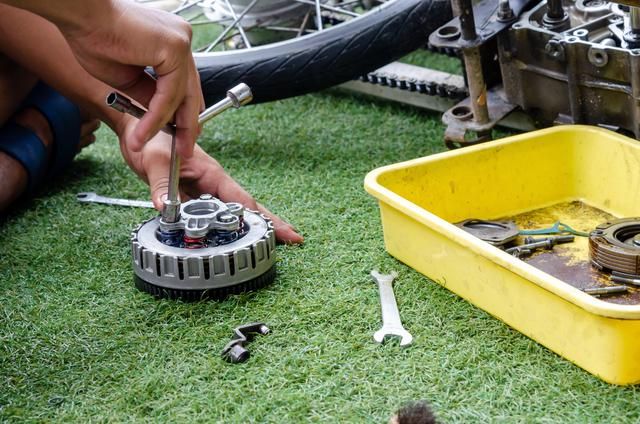
Dirty rollers often lose their natural slick properties and make the spin inside the CVT unbalanced. As a result, when the speed rises, the roller produces a small vibration that turns into a fairly sharp buzzing sound. This is common when the CVT box is rarely cleaned regularly.
Dirt or fine dust that has accumulated will make the roller rotate not symmetrical and feel heavier. When left unchecked, this condition can accelerate wear on other components and affect the overall engine response. The buzzing sound is getting stronger, especially when the motor is driven for a longer duration.


4. The clutch bowl is scratched and reduces the smooth movement
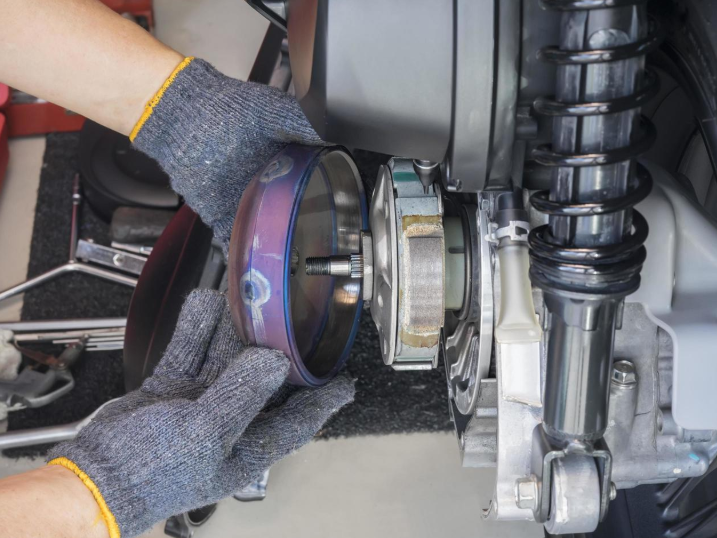
The clutch bowl that starts to be scratched will cause excessive friction on the clutch lining and trigger a buzzing sound. These scratches can appear due to heat friction, service life, or hardened clutch lining. When the motor is driven faster, this imperfect friction sounds clearer and produces a distinctive buzz from the CVT area.
In addition to reducing comfort, the scratched clutch bowl also affects the clutch’s ability to grip stably. As a result, the motor pull feels rougher and less responsive at the initial rotation. If this condition is left unchecked, the scratches can widen and trigger damage that is more difficult to repair.
The Importance of Understanding Early Symptoms in CVT
The buzzing sound on the CVT is actually not a foreign thing, but it still needs to be considered so that the motor remains comfortable to use every day. Every minor symptom is a sign that the system is working out of balance and needs to be checked more quickly. By understanding the main cause, motor maintenance can become more focused and more cost-effective in the future.
How long is the life of the automatic CVT belt used daily?