Worst MBTI: Facts, Myths, and Reality

Maybe you’ve often heard of Myers-Briggs Type Indicator (MBTI), a personality test that is often used to identify a person’s personality type. However, is there such a thing as the “Worst” MBTI type? This article will discuss in depth the myth and reality related to the worst type of MBTI which is often considered negative.
What is MBTI?
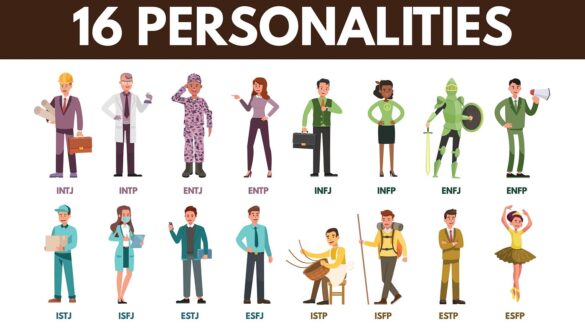
MBTI is a psychological assessment tool based on Carl Jung’s personality theory. MBTI classifies individuals into 16 personality types based on four main dimensions:
- Extroversion (E) vs. Introversion (I)
- Intuition (N) vs. Sensation (S)
- Thinking (T) vs. Feeling (f)
- Rating (J) vs. Perception (P)
Myths About MBTI Worst
There are several myths that develop in society about the “worst” type of MBTI. This myth is often unfounded and more influenced by stereotypes and misunderstandings about the diversity of human nature.
1. The worst type of MBTI: INTJ personality type?
Often, the INTJ type (introverted, intuitive, thinking, judging) is considered the most difficult and unpleasant type of MBTI to work with. These are some of the common reasons that are often put forward:
- Too rational and rigid: INTJs tend to be very logical and rational, so they may look rigid and inflexible at work.
- Less empathy: They are often considered less empathetic and more concerned with logic than feelings.
However, this perception is very subjective and not always true. Many INTJs are capable of becoming great leaders, great planners, and strategic thinkers that are indispensable in many organizations.
2. ISTJ: Too formal and rigid?
ISTJ (Introverted, Sensing, Thinking, Judging) is also often considered difficult because they tend to be very structured and detailed-oriented. Here are some of the reasons that are often put forward:
- Obsessed with details: ISTJ is very concerned about the details, which sometimes makes them seem fussy.
- Too bound by the rules: They are often considered too rigid because they respect the rules and procedures very much.
In fact, these traits are very important in many situations, especially in jobs that require thoroughness and compliance with standards.
Reality: Each type of MBTI has its advantages and disadvantages
Actually, there is no such thing as the “Worst” MBTI type. Each personality type has its own strengths and weaknesses. What is more important is how a person uses their strengths and manages their weaknesses.


INTJ: Very Strategic and Visionary
INTJ is known as the architect in the MBTI. They have an extraordinary ability to design strategies and long-term vision. Here are some of their advantages:
- Strategic thinker: They are very skilled in planning and thinking about long-term steps.
- Independent: INTJs are usually very independent and do not really need continuous guidance.
ISTJ: Reliable and Detail Oriented
ISTJ is a reliable executor. They are very reliable in ensuring that the work is completed correctly and in accordance with standards. Some of the advantages of ISTJ are:
- on time and consistent: They really value time and consistency at work.
- Loyal and loyal: ISTJs tend to be very loyal to the organization or people they respect.
Conclusion: Understanding and Appreciating Personality Diversity
Understanding that every type of MBTI has advantages and disadvantages can help us to appreciate the diversity of personality more. No type is absolutely better or worse than the other. What matters is how we leverage our strengths and continue to strive to improve ourselves.
FAQ about MBTI Worst
Q: Is there a really bad type of MBTI? A: No, there are no bad MBTI types. Each type has its own advantages and disadvantages.
Q: Why is INTJ often considered difficult? A: INTJs are often considered difficult because they are very rational and sometimes lack empathy. However, they are very strategic and independent.
Q: Is ISTJ too stiff? A: ISTJs may look rigid because they are very detailed-oriented and respect the rules, but this can be a great force in many situations.
Q: How do I overcome the weakness of my MBTI type? A: Recognizing your weakness is the first step. Next, cooperate with people who have strength in the area and continue to develop themselves.
Q: Can MBTI change over time? A: It can be said that the types that have been produced tend to be stable, but life experience and personal growth can affect how your type appears in certain situations.
By understanding and accepting the diversity of personality, we can create a more harmonious and productive work and social environment. Keep learning and growing to maximize your potential, whatever your type.