AI Changes the World of Health, Accurate Breast Cancer Detection 92%

AI Technology in Cancer Detection: An Important Role in the Medical World
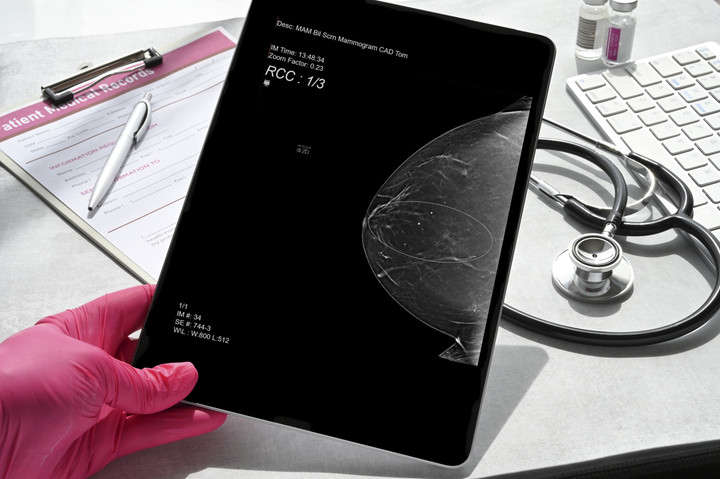
Technological updates have now reached various sectors of life, including the medical world. One of its significant uses is in cancer detection, which can be done more quickly and accurately. In Indonesia, this innovation comes through a collaboration between Siloam and AstraZeneca, by launching an AI-based solution using the Qure.ai software. This initiative is part of the commitment of both parties to reduce the number of cancers, especially breast cancer and lung cancer.
According to data from the Global Cancer Observatory (Globocan), breast cancer caused more than 22,000 deaths in Indonesia in 2020. Meanwhile, lung cancer is the third cause with the highest number of new cases. Seeing this high number, Siloam and AstraZeneca seek to improve early detection through the use of AI technology in the diagnostic process.
“Cancer detection in the early stages not only increases the survival rate, but also reduces the complexity of treatment, eases the burden on the health system, and improves the quality of life of patients and their families,” said Esra Erkomay, Country President of AstraZeneca Indonesia, at a press conference.
Utilization of AI for Breast Cancer Detection, Achieving 92 Percent Accuracy
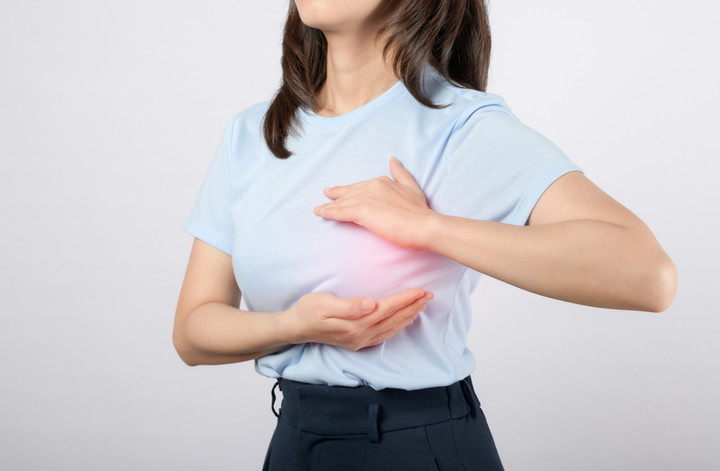
AI technology helps the HER2 classification process, one of the determining factors for breast cancer. The classification includes HER2 Negative, HER2 Low, Ultra-Low, to HER2 Positive. The process of identifying this type of HER2 can support more appropriate and timely therapeutic decision making.
According to data from the American Society of Clinical Oncology (ASCO) in 2025, the accuracy of AI in detecting breast cancer is about 92 percent. Dr. Dr. Patricia Diana Prasetyo, MSi.Med., Sp.PA., explained that AI helps make decisions and strengthens the accuracy of HER2 types.
Utilization of AI for lung cancer detection, mark the nodules that need to be studied
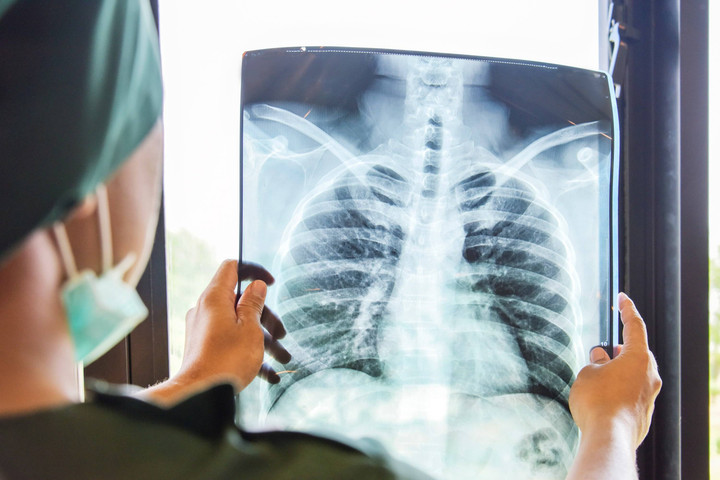
AI was also developed to help detect lung cancer. Generally, lung cancer is characterized by the appearance of nodules or lumps that grow uncontrollably in the lung tissue. In the process of diagnosis, doctors usually analyze the results of a CT scan to find the nodule or abnormality. However, nodule identification is not always easy because it can be covered with other structures such as ribs or has a very small size so that it is difficult to see with the naked eye.
Dr. Dewi Tantra Hardiyanto, Sp.Rad., explained that AI plays the role of Second Reader Which helps mark suspicious areas of the lungs, such as the presence of certain nodules or abnormalities, so that doctors can learn more. “This AI helps identify examinations that may be normal or not, so radiology can speed up time and can focus more on abnormal cases,” he explained.
The presence of AI cannot replace the doctor
The doctors who attended the event said that AI could not replace the doctor’s role. However, its presence is needed to help accelerate the performance of medical personnel, especially in cancer detection so that the treatment can be carried out more quickly and precisely.


“AI does not stop the position of the radiology doctor because the final decision is still made by the doctor. So this is a tool to mark the areas we suspect, “explained dr. Goddess. In line with that, Dr. Patricia explained that as doctors, they cannot put their full trust in AI. The final decision remains in the hands of the doctor through the analysis process.
“We do not necessarily trust 100% of the results of the AI. So we continue to evaluate again, reviewed again, only after that the pathology doctor will release the results,” he said.
future hope
The President Director of Siloam International Hospitals, David Utama, hopes that this collaboration can help the screening and cancer analysis process more quickly and precisely. “This technology does not aim to replace the role of doctors or medical personnel, but rather become a companion who enriches clinical decision making. We are committed to developing a service model that can be replicated nationally, so that people throughout Indonesia can access international standard cancer treatment without having to go abroad,” he said.