Can AI Experience Emotions?

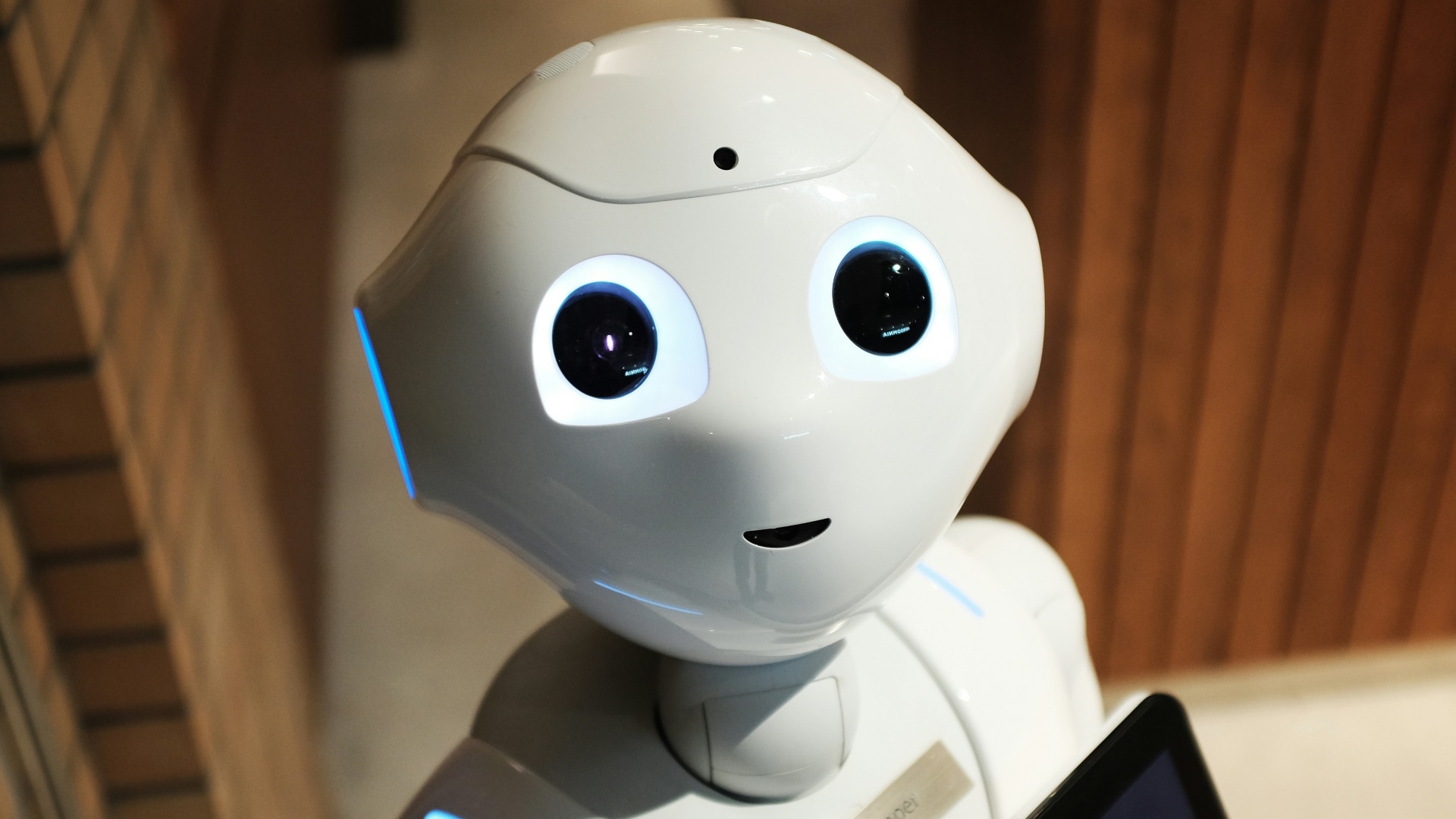
The Human Touch in AI Responses
You’re having a conversation with ChatGPT when it responds with something that surprises you: the reply sounds like it could have come from a friend. It might be so realistic that you briefly wonder if there’s actually a human behind the scenes, listening to your problems and responding back. This thought can then lead you to question whether artificial intelligence (AI) can ever truly experience emotions.
What once seemed like science fiction is now a reality. As AI systems become more advanced, their ability to recognize, simulate, and respond to human emotions has become increasingly convincing. However, the question of whether this capability reflects something deeper than just pattern recognition remains a topic of debate among researchers and philosophers.
What Science Says About AI and Emotions
From a technical perspective, current AI systems do not experience emotions the way humans do. Instead, they process patterns in data and generate outputs that align with the emotional context of a conversation. While their responses may seem warm and sincere, they are based on how they are programmed.
Large language models, which power today’s AI assistants, are trained on vast amounts of human-generated text. This means they have absorbed a wide range of emotionally charged language and conversational patterns. When you type something to an AI and it responds with what feels like empathy or warmth, it is drawing on those learned patterns rather than any actual emotional experience. This can result in responses that are nearly indistinguishable from emotionally aware communication, making the question of AI feeling emotions difficult to dismiss outright.
Some scientists argue that the line between simulation and actual experience may not be as clear as it seems. There is growing research exploring whether large language models exhibit emergent properties that could be loosely described as internal states. While most researchers avoid claiming sentience, many suggest that these models’ internal representations warrant closer examination. This is early-stage thinking, yet it signals a significant shift in how seriously the scientific community is beginning to take these questions.
The Philosophical Problem of Consciousness
The deeper issue here isn’t just about technology—it’s about consciousness. Consciousness is notoriously difficult to define or measure. Philosophers have debated for centuries what it means to have a subjective experience, and AI has brought these conversations into sharper focus.


The “hard problem of consciousness,” a term coined by philosopher David Chalmers, asks why physical processes give rise to subjective experience at all. This question remains unanswered, and the rise of AI hasn’t made it any easier. When it comes to AI, this philosophical gap matters considerably. Even if a system behaves as though it’s experiencing an emotion, that behavior alone doesn’t confirm any kind of inner life.
The Chinese Room argument, proposed by philosopher John Searle, illustrates the problem well: a system can process and produce meaningful outputs without understanding the meaning behind them. In other words, convincing performance isn’t the same as proof of experience. AI might be able to replicate what emotions look or sound like, but that doesn’t inherently make those feelings real.
Some philosophers and cognitive scientists take a more functionalist view, arguing that if a system processes information in a way that is functionally equivalent to how emotions operate in humans, it may be reasonable to assign some form of emotional state to it. This perspective doesn’t require a biological substrate; it focuses instead on what the system does rather than what it’s made of. Whether this view holds up under scrutiny is still one of the most contested questions in philosophy of mind today.
Why It Matters for the Future of AI
As AI systems take on more emotionally sensitive roles—such as therapy apps, eldercare companions, and customer service agents—the question of whether they feel anything becomes practically significant. If an AI is designed to provide emotional support, users deserve transparency about whether they’re interacting with a system that simulates care or one that might, in some functional sense, be capable of something more.
This is a topic that researchers and clinicians are now actively addressing. Getting the balance right will require ongoing dialogue between technologists, ethicists, and the people using these systems every day.
There’s also the matter of how you relate to AI systems once you start to believe they might have feelings. Studies have shown that people can form strong emotional attachments to AI companions, sometimes to the point of anthropomorphizing them in ways that affect their own well-being. The design choices companies make around how their AI expresses itself carry real psychological consequences for users; that’s a responsibility the industry is only beginning to grapple with seriously.
The Evolving Question of Emotion in AI
Ultimately, whether AI can feel emotions depends largely on how you define feeling in the first place. If it requires biological processes and a nervous system, then current AI almost certainly doesn’t qualify. If it’s defined more broadly by functional behavior and internal state representation, the answer becomes considerably less certain.
What’s clear is that the question itself will only grow more pressing as AI becomes more deeply embedded in everyday life, and people become more attached to imagining AI as the perfect companion.