Telegram Ban in Russia: Impacts and Local Alternatives

The New Confrontation Between Telegram and the Kremlin
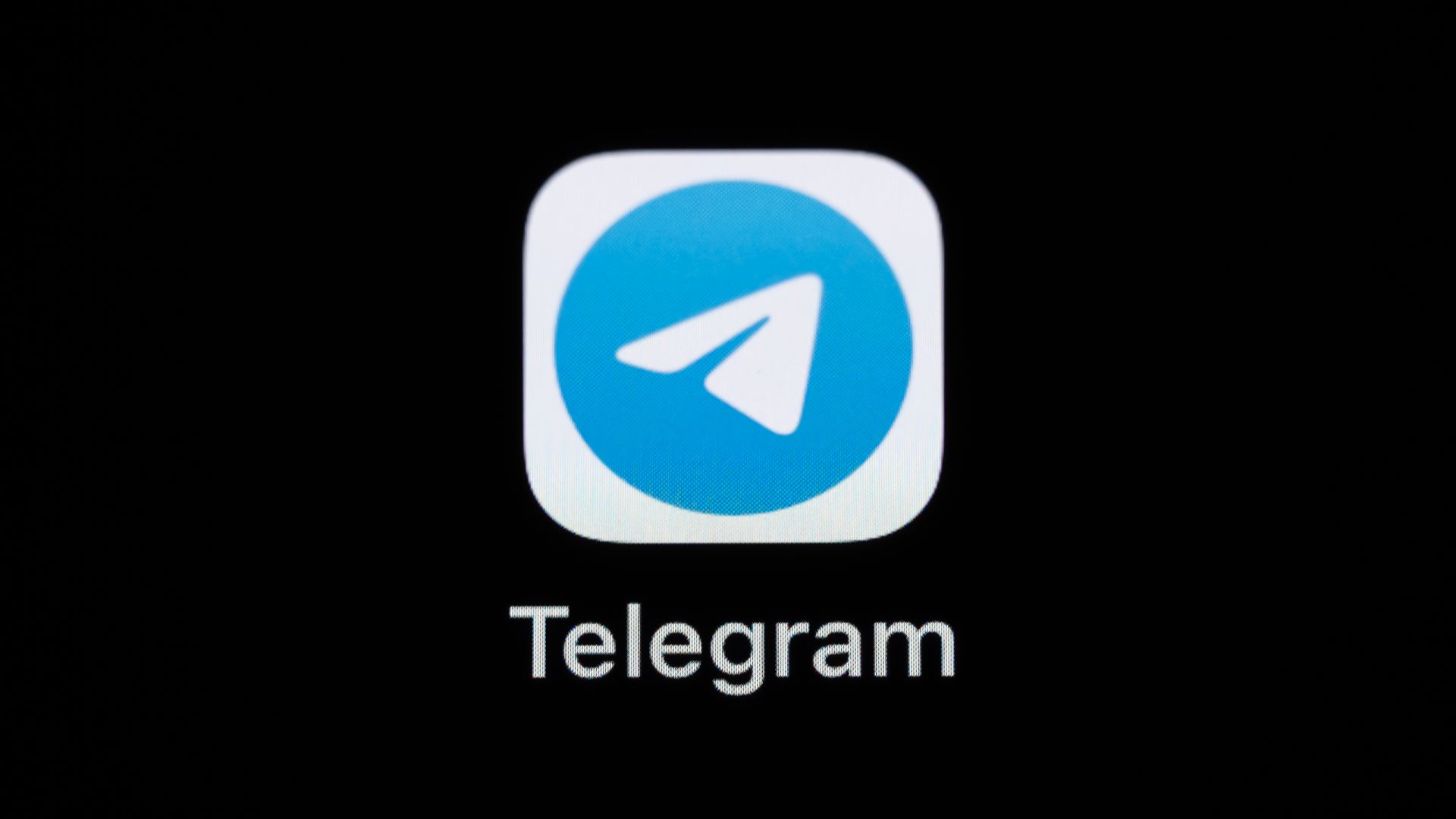
Since Roskomnadzor, Russia’s federal service for supervision of communications, announced its latest measures, the Telegram messaging service has become a focal point in the ongoing tension between the Russian government and international communication platforms. While authorities claim these actions are aimed at “protecting citizens” and ensuring compliance with the law, the restrictions have led to widespread disruptions and reignited discussions about the control of online information in Russia.
What Happened?
Roskomnadzor gradually restricted access to Telegram, citing the platform’s refusal to remove content deemed illegal and the lack of sufficient guarantees to protect personal data and combat fraud or terrorism. As a result, thousands of users reported outages or degraded service. According to the Downdetector website, over 11,000 complaints were recorded within 24 hours of the first restrictions.
Pavel Durov’s Response
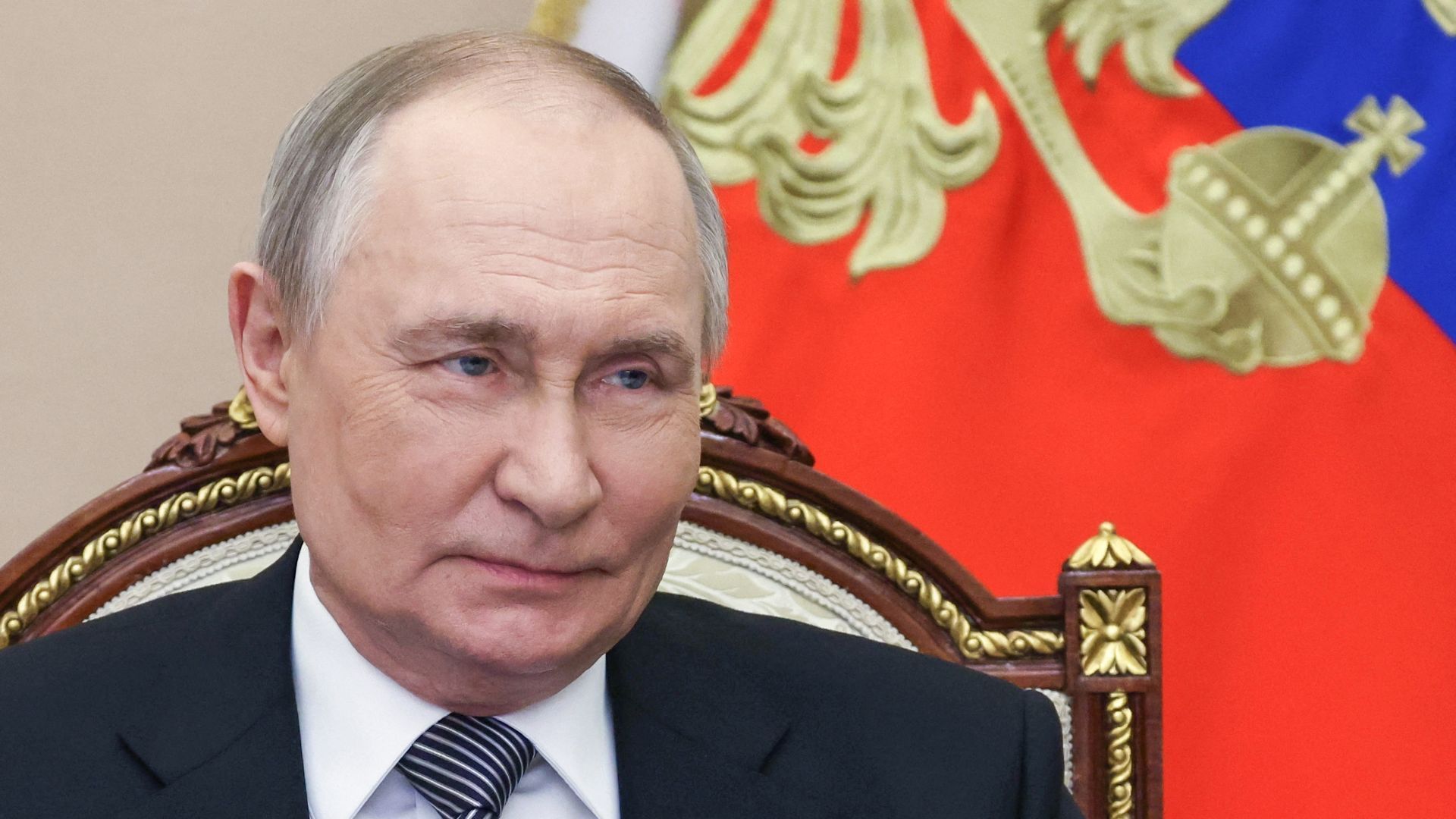
Pavel Durov, the founder of Telegram, criticized the move, accusing the authorities of having political motives. He warned that the decision was part of a strategy to push citizens toward an alternative application controlled by the state. According to him, this is a way to increase surveillance and censorship, forcing users to rely on a government-managed platform.
Why Is Telegram Important in Russia?
Telegram is widely used by millions of Russians for everyday messaging, but it also serves as a critical tool for media outlets, government actors, businesses, military groups, and bloggers. Its public channels often act as a source of real-time information, commentary, and official announcements.
Unlike other Western platforms that have been blocked or left the Russian market, Telegram has remained largely operational, giving it a unique position in the Russian digital ecosystem.
Official Arguments and Sanctions
Roskomnadzor claims its actions are driven by security objectives—combating extremist content, protecting personal data, and preventing fraud. The agency has even mentioned the possibility of fines, including a potential penalty of 64 million rubles if Telegram refuses to comply with requests to remove prohibited content or adhere to self-regulation rules.


These measures are part of a broader framework. For several years, Moscow has been pushing for local data storage and platform compliance with national regulations. The focus on digital control sometimes aligns with stricter models seen elsewhere, though it faces technical and social challenges.
The “National” Solution: The Max App
At the same time, the government is promoting Max, a messaging app developed by VK (Pavel Durov’s former company), which is now under state control. Max comes pre-installed on many devices and offers features such as messaging, payments, and audio/video calls. For the authorities, promoting a national app allows better control over the digital ecosystem and the imposition of legal safeguards. However, critics argue that it is a means of restricting the free flow of information.
Practical and Social Consequences
Users are experiencing interrupted or slowed communications, which affects daily life, work, and access to real-time information. Bloggers, including military analysts, lose a crucial channel for disseminating analysis and field information. Additionally, trust in digital services may decline if citizens perceive an increase in surveillance and censorship.
A History of Conflict
This is not the first confrontation between Telegram and the Kremlin. In 2018, Russia attempted to block the app after it refused to provide encryption keys, but the ban was difficult to enforce and was eventually lifted. Experience shows that technically blocking a widely used platform is complex and often counterproductive.
In short, the restriction of Telegram highlights a recurring dilemma: while authorities claim to be ensuring safety and protection, many voices are concerned about the use of the law to restrict freedom of expression and strengthen state digital control. It remains to be seen whether regulatory pressure will force a lasting shift toward domestic alternatives, or whether Russians will continue to use the tools they find most convenient and reliable.
Key Takeaways
- The restrictions are officially aimed at compliance and security, but raise major political questions.
- The disruptions show the importance of Telegram in Russian digital life.
- The rise of state-controlled alternatives poses risks to privacy and freedom of expression.