
The potholed road triggers the shockbreaker leak, this is the sign

Road Infrastructure Challenges and Its Impact on Leak Reducer Systems
Road infrastructure that is not always smooth is a tough challenge for every component of the vehicle’s legs, especially the shock absorber system or Shockbreaker. Deep potholes often hit the wheels hard, forcing these components to work beyond the limits of their elasticity to maintain passenger stability and comfort. Repeated impact or one very hard impact can trigger serious damage to the internal seal and hydraulic structure. Shockbreaker. If left untreated, this damage not only damages driving comfort, but also threatens safety due to loss of optimal control when the vehicle crosses uneven terrain or when braking suddenly.
impact mechanism that triggers oil leakage
When the tire hits the hole at high speed, Shockbreaker Experiencing very fast and extreme compression. The kinetic energy of the impact must be muffled by the oil flowing through the valve in the damper tube. If the resulting pressure is too large, the hydraulic pressure can damage Seal or a rubber seal in charge of holding the oil to stay in the tube. Once this seal is torn or shifted, the oil will start seeping out and wetting the axle rod Shockbreaker.
These leaks are often exacerbated by the presence of dust and sand attached to wet axles. The dirt particles then go into the seal when the silencer works up and down, which will slowly scratch the metal surface and widen the leakage gap. This explains why a hard hit on a potholed road can be the beginning of permanent damage that makes the suspension system lose its ability to reduce shocks effectively.
physical symptoms and fluid seepage in the suspension rod
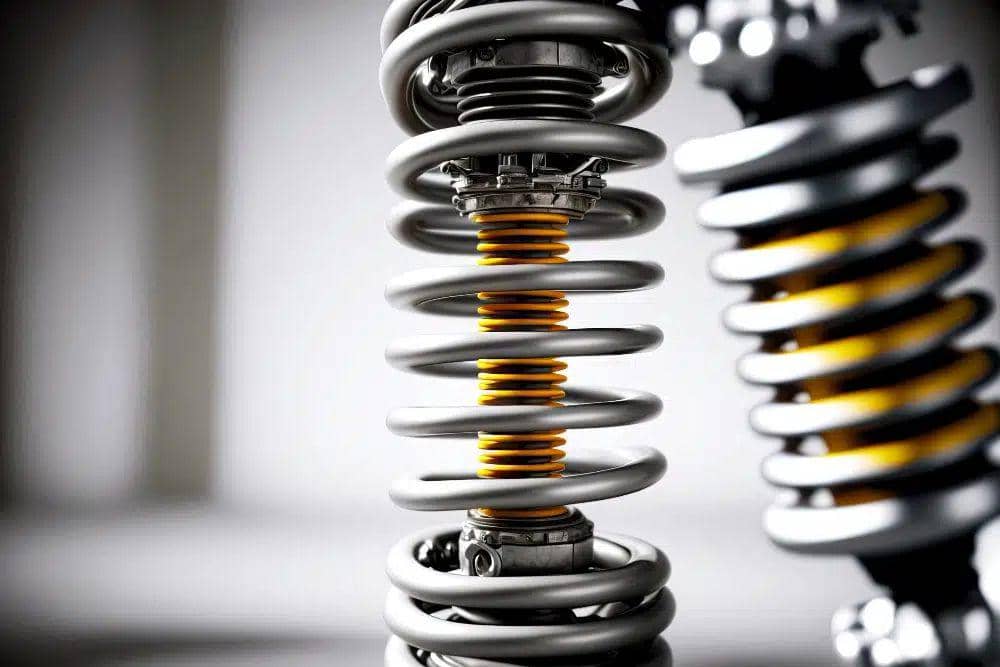
One of the most obvious features of Shockbreaker What is leaking is the appearance of oily black dirt on the rod or suspension tube. The oil that comes out will catch the street dust, creating a sticky crust and looking dull. If there is a liquid dripping or the area around the spring looks wet with oil, it is a strong signal that the oil reserves in the tube have been drastically reduced and the component must immediately receive technical attention.
In addition to physical seepage, strange sounds such as the sound of “jedug” or loud metal collisions when passing through small mounds are also symptoms that often appear. This voice indicates that Shockbreaker has run out of oil or retaining gas, so the shock absorber is in a condition Bottoming or stuck where the internal components collide directly without any hydraulic bearings. The sound is an indication that the damping function is not running at all and only relies on a spiral spring to withstand the load of the vehicle.
Decreased stability and swing effect
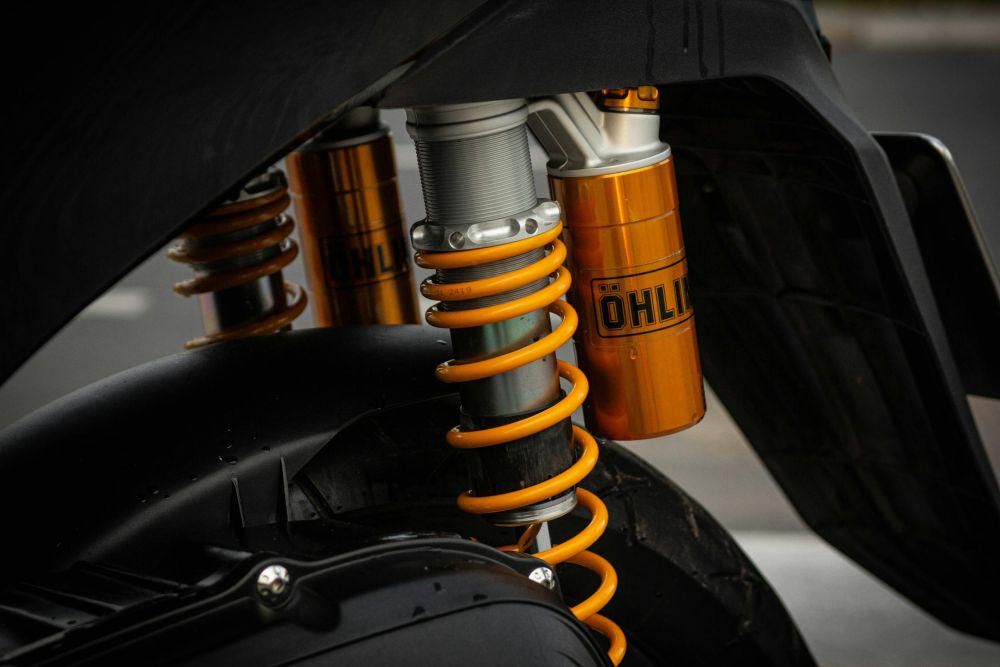
The most dangerous impact of leakage Shockbreaker The result of a potholed road is the loss of vehicle stability when traveling at high speeds or when turning. Without the oil that regulates the speed of the spring movement, the vehicle will feel continuously swinging (Bounce) after passing through the uneven surface. The effect of this swing is very risky because it can cause the tires to lose grip on the asphalt momentarily, which triggers symptoms Aquaplaning on wet roads or braking distances that become much longer.
In addition, damage to one side of the shock absorber will make the position of the vehicle unbalanced. Tires on the damaged side tend to experience uneven or bumpy wearcupping) because the load is not distributed harmoniously. Replace Shockbreaker The leak is highly recommended to be done in pairs so that the damping character between the left and right sides remains uniform, so that the comfort and safety of driving is maintained even though you have to often cross roads full of challenges.


