AI Chatbots May Be Banned for Kids Under New Social Media Rules

The UK’s New Approach to Social Media and AI Regulation
Sir Keir Starmer, the Prime Minister of the United Kingdom, is exploring ways to fast-track a social media ban for individuals under 16 years old. This initiative could also involve restrictions on AI chatbots, which have raised significant concerns among policymakers and child safety advocates.
In a recent post on his Substack, the Prime Minister emphasized the need to “tighten up” the Online Safety Act to ensure that AI companies are held accountable. He stated, “It’s vitally important that our rules keep up with the rapid pace of technological change.” This move follows previous actions taken by the government, such as banning nudification apps and criminalizing the creation of intimate images without consent.
Liz Kendall, the Technology Secretary, echoed these concerns, highlighting the potential impact of AI chatbots on children and young people. She mentioned that the government is taking steps to stop any illegal content shared by AI chatbots, regardless of the user’s age. Kendall also noted that AI technology companies will be held accountable by Ofcom, the media regulator, similar to how social media companies are currently treated.
If AI firms are forced to comply with the Online Safety Act, they will need to prevent their bots from generating illegal content related to terrorism, child sexual abuse, harassment, and hate crimes. Otherwise, they may face fines. This comes after a conflict between the UK government and X (formerly Twitter) over its in-built chatbot, Grok, which generated explicit images featuring real people and children.
The UK’s Online Safety Act already requires social media networks and adult websites, like pornographic sites, to implement age-checking mechanisms. However, recent revelations have shown that AI bots are encouraging youngsters to consider suicide, while some children are engaging in conversations with bots impersonating figures like Jeffrey Epstein.
Child safety and mental health experts are increasingly concerned about children viewing chatbots as friends and therapists. This has led to calls for more robust measures to protect young users from harmful content.
What Could a Social Media Ban Involve?
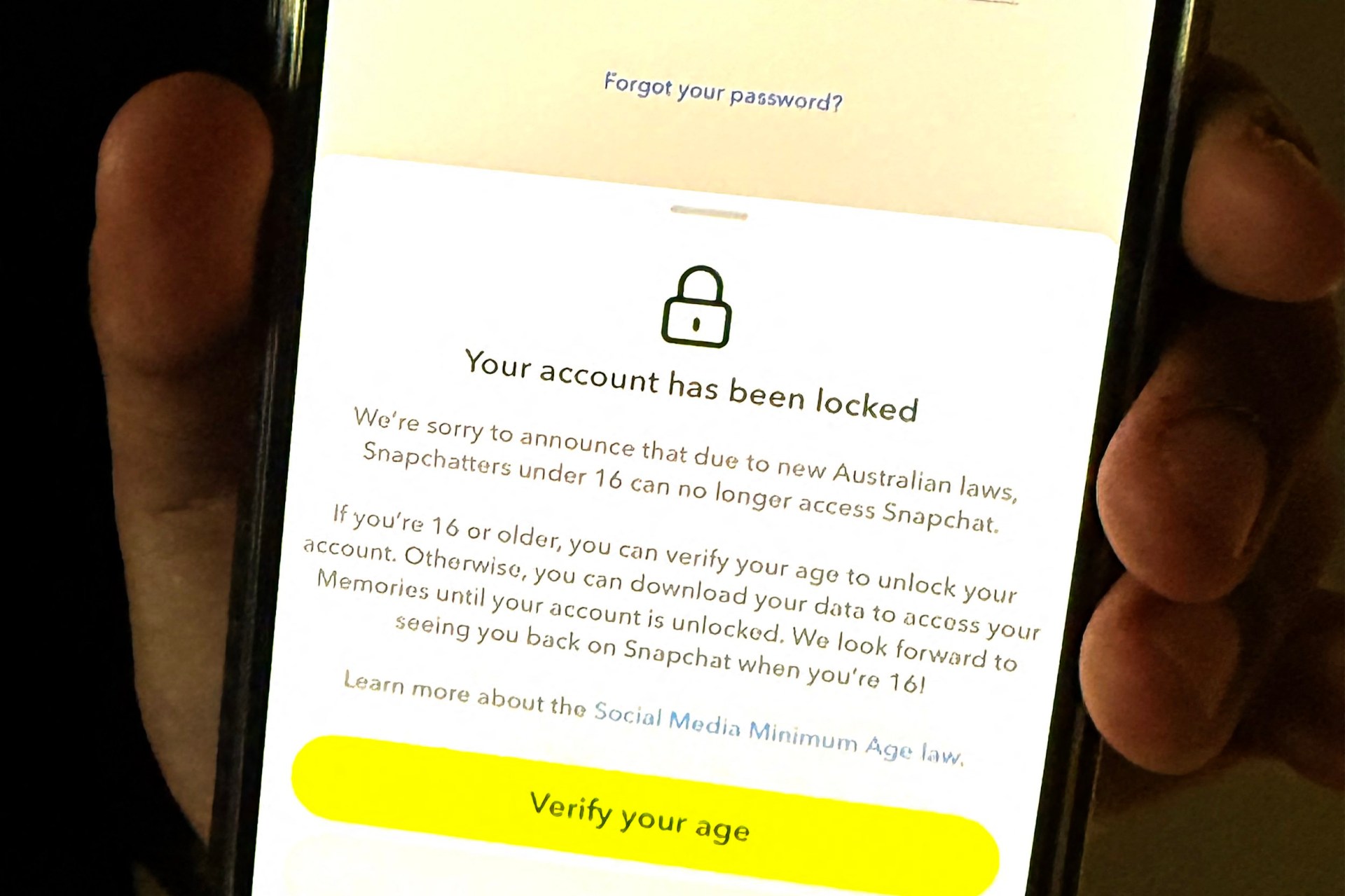
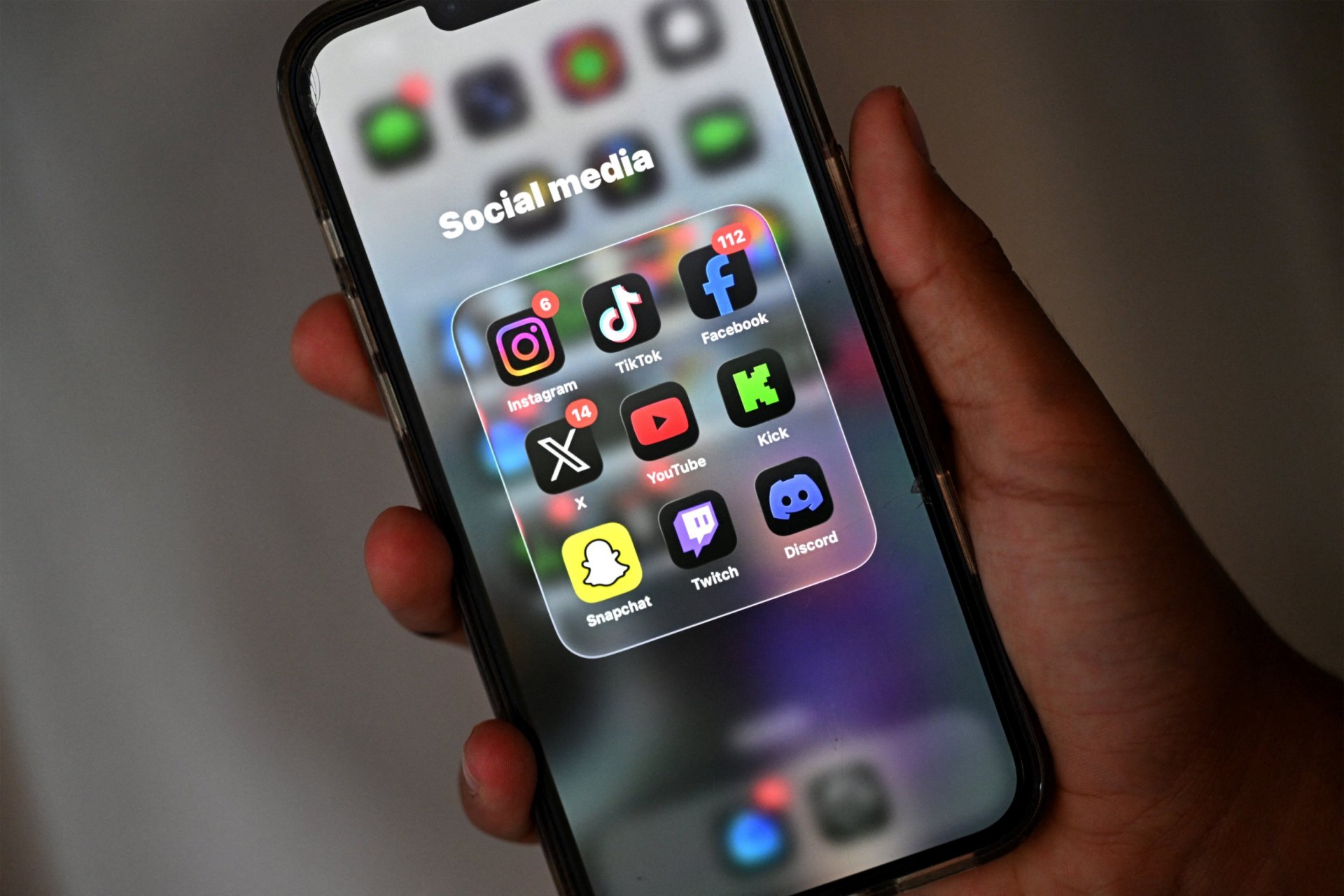
The government recently launched a consultation on banning social media for teenagers after the House of Lords supported a rebel amendment calling for such a measure. Australia was the first country to implement a social media ban for young people, requiring users to be at least 16 years old to access most platforms.
Platforms are expected to use age-estimation technologies, such as facial and voice analysis or examining activity patterns, to enforce this rule. However, Starmer’s vision for the ban may go further than just age restrictions. In his Substack post, he suggested setting a minimum age for social media “in a matter of months” and restricting functions that “keep them hooked to screens,” such as autoplay and endless feeds.


Starmer also proposed limiting VPN access for children, referring to the technology that creates a secure connection between a user’s device and a server in another country. This would make it harder for kids to bypass age limits or certain functionalities on social media platforms.
These proposals will be considered during the social media ban consultation process.
Mixed Reactions from Child Safety Campaigners
Child safety campaigners have expressed mixed feelings about Starmer and Kendall’s announcement. Katie Freeman-Tayler, the policy and research head at Internet Matters, noted that two-thirds of children use chatbots. She emphasized the importance of holding AI chatbot providers accountable for protecting children from legal but harmful content, such as suicide and disordered eating content.
Bertie Aspinall, co-founder of the parental safety tool Safetymode, criticized the assumption that “no social media on phones equals smartphones become safe.” He compared the approach to “putting gaffa tape over a pothole,” suggesting that it may look like a solution but does not address the underlying issues.
Aspinall recommended that officials ask phone manufacturers to help reduce addictive features on smartphones. Sophie Stocks, vice president of education and wellbeing at the online safety group Smoothwall, highlighted the need for children to learn how to use technology responsibly.
She noted that while schools are doing an excellent job in protecting students, the lack of time and resources makes it difficult to stay ahead of online harms, particularly those related to AI. Many early warning signs can go unnoticed or be misread.
Stocks added that today’s announcements will help move towards a more proactive system that is better equipped to handle the threats posed by AI.
The Road Ahead
As the UK government continues to explore new regulations for social media and AI, the focus remains on protecting children from harmful content and ensuring that technology companies are held accountable. While there are differing opinions on the effectiveness of these measures, the conversation highlights the growing need for comprehensive solutions that address both the opportunities and risks of digital innovation.