Sony’s PS6 Delayed to 2029 Due to AI, Report Claims

The next generation of gaming consoles could face significant delays due to a global shortage of memory chips, with Nintendo reportedly considering increasing the price of its upcoming Switch 2. This issue is expected to have a lasting impact on the cost of various technologies, particularly in the video game industry.
Since late last year, the price of DRAM (Dynamic Random Access Memory) has been on the rise, driven by tech giants like OpenAI and Alphabet Inc. investing heavily in building AI data centers. This surge in demand has created a scarcity of memory chips, forcing other companies to compete for limited supplies from manufacturers such as Samsung, Micron, and SK Hynix.
This shortage has already begun to affect the development and release schedules of next-generation consoles from major players like Sony and Microsoft. A recent report suggests that the PlayStation 6 might not be released until 2028 or even 2029, which would extend the PlayStation 5’s market presence to nine years—longer than the typical seven-year gap between console generations.
According to a Bloomberg report, Sony is seriously considering pushing back the launch of its next PlayStation console to 2028 or 2029. If this timeline holds, it would mark a significant shift in how long consumers can expect to wait for new hardware.
While there is no official confirmation yet about whether Microsoft is also planning to delay its next Xbox console, some rumors suggest that it may still arrive before the PlayStation 6, provided there are enough RAM chips available for mass production.
Impact on Nintendo’s Strategy
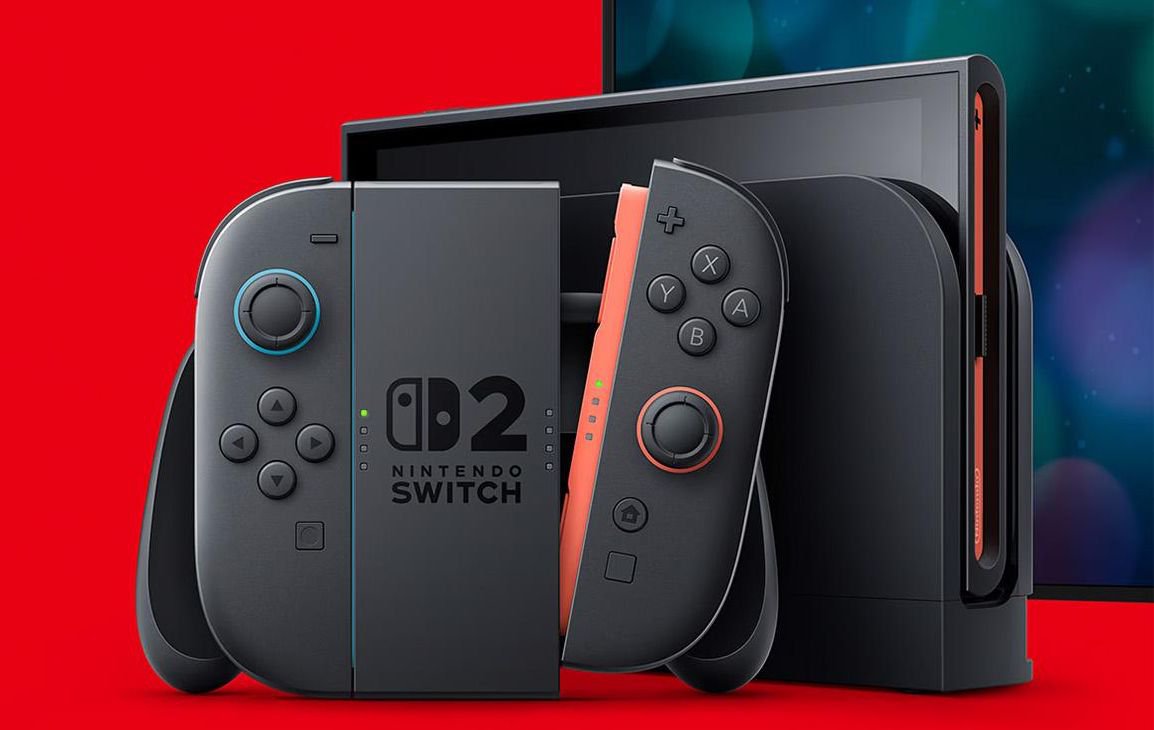
Nintendo, too, is navigating these challenges. The company is reportedly evaluating potential price increases for the Nintendo Switch 2, which is set to launch in 2026. Currently, the base model of the Switch 2 is priced at £395.99 in the UK, while the Mario Kart World bundle costs £429.99.
Earlier this month, Nintendo president Shuntaro Furukawa addressed concerns about a potential price hike during an interview. He stated that there would be no immediate increase, as the memory shortage had not yet affected the company’s profitability. However, he warned that if the situation changes in the next financial year, the company might reconsider its pricing strategy.
“Price changes will be determined comprehensively, taking into account not only profitability but also the adoption of the platform, sales trends, and market conditions,” Furukawa said, according to a machine translation.


Furukawa also emphasized that any price adjustments would consider factors beyond just the memory shortage. He highlighted the importance of the second and third years of the Switch 2’s lifecycle, as these periods are crucial for the console’s long-term success.
Industry Outlook
The ongoing memory chip shortage is a growing concern for the entire gaming industry. With demand for AI infrastructure continuing to rise, it is likely that the supply chain issues will persist for several years. As a result, both hardware manufacturers and consumers may need to adjust their expectations regarding product availability and pricing.
For now, Nintendo remains cautious, balancing the need to maintain profitability with the goal of keeping the Switch 2 accessible to gamers. The company’s approach reflects a broader trend in the industry, where firms are forced to navigate complex economic and technological challenges to meet consumer demands.