Electric Cars Lack Proven Carbon Benefits, Study Warns

Electric Vehicles and the UK’s Net Zero Ambitions
A recent study has raised concerns about the environmental benefits of electric vehicles (EVs) in the UK, suggesting that they may not deliver the carbon savings expected. Scientists from Queen Mary University have highlighted that the push towards EVs could be fundamentally misguided, given the current state of the UK’s electricity grid.
The researchers argue that since the UK’s electricity supply is still largely dependent on fossil fuels, EVs essentially run on energy generated from power stations that burn these fuels. This means that the environmental impact of an EV is not as significant as it might appear at first glance.
The Current State of the UK’s Electricity Grid
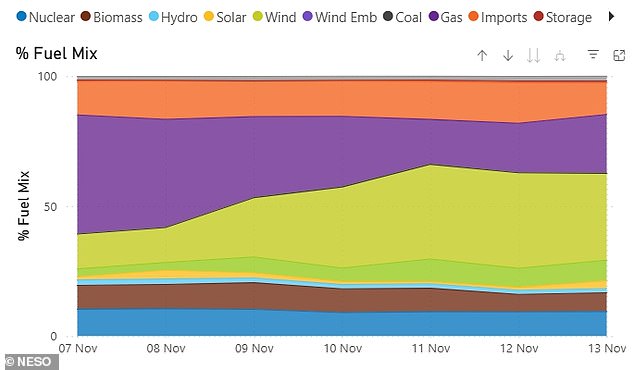
In their paper, which has been accepted for publication in the journal Environmental Research, the scientists compared the UK’s 2030 Net Zero plan with real-world data from 2023. They found that the variability of wind and solar power has been underestimated in the government’s plans. On days when there is little wind or sunlight, energy supply gaps are filled by gas-fired power stations.
This situation means that charging an EV can actually lead to more fossil fuel being burned to meet the increased demand for electricity. As a result, the experts suggest that the most eco-friendly option might be a hybrid or efficient diesel car rather than an EV.
Government Plans and the Role of Renewable Energy
In 2024, the UK government announced its intention to decarbonise British electricity generation by 2030. This would involve generating significant amounts of offshore and onshore wind power, along with solar power, while reducing reliance on fossil fuels. At the same time, the government has been promoting the adoption of electrified technologies like EVs and heat pumps.
However, the researchers believe this approach is flawed. Co-author Professor Alan Drew emphasized the need for the UK to rethink its priorities. He stated that while EVs and heat pumps will be valuable in the future, they are not currently reducing emissions as intended.


The Misleading Calculations of Carbon Savings
Most research into EV carbon savings calculates energy consumption based on the total power mix in the UK grid. In 2025, renewable energy made up 44% of the UK grid’s power supply on average. At the point of driving, recent research estimates that producing the energy to charge an EV creates 75% less CO2 than the equivalent petrol or diesel fuel.
However, the researchers argue that this calculation is misleading. Professor David Dunstan from Queen Mary University explained that the current generation mix is not what matters. Instead, adding electricity demand through EVs does not increase low-carbon and renewable generation; it only leads to more fossil gas burning.
The Hidden Environmental Costs of EVs
While EVs may seem environmentally friendly, there are hidden costs associated with their production and use. For example:
- Lithium mining: For every tonne of mined lithium, 15 tonnes of CO2 are emitted into the air, and 100 tonnes of water are consumed.
- Cobalt mining: Around 30% of the world’s cobalt comes from the Democratic Republic of Congo, where tens of thousands of children work in dangerous mining sites.
- Battery production: Producing a single battery for an EV from raw materials produces up to 15.6 tonnes of CO2.
- Brake emissions: Heavy EVs use more energy while braking, producing 2,000 times more particulate pollution than a car engine.
Recommendations for the Future
The researchers suggest that the UK should focus on strengthening the grid, building more renewable energy sources, and addressing the challenge of storing surplus electricity. Only then will it be worth transitioning people from efficient internal combustion engines to purely electric vehicles.
Professor Drew added that the real work right now is strengthening the grid, building renewables, and addressing the enormous challenge of storage for surplus electricity that renewables create.