When is the right time to change car tires? This is a sign

Signs of a car tire that is time to replace
Car tires are often considered trivial by drivers, until one day they feel slippery, wobbly, or even make a strange sound when driving. Many people only focus on servicing the engine, oil, or brake, but forget that the tire is the only part of the vehicle that is actually in direct contact with the road surface. The condition of the tires that are not prime is not only a matter of comfort, but also a matter of safety and full control when driving.
Understanding when tires need to be replaced cannot be done simply by guessing. There are physical signs, sensations when driving, to weather conditions that can signal that the tires are time to retire. Knowing this sign will make the trip feel safer, more stable, and calm, without feeling anxious every time it rains or the roads are congested.
1. The tire groove pattern has started to be bald
When the tire groove pattern starts to thin, the grip on the road surface will decrease quite drastically. This is often felt when passing through wet roads, where the car feels easy to slip and is less stable. A healthy tire groove pattern is very important to drain water and increase traction.
In the condition of the tires that are approaching bald, the braking distance can increase in length. This certainly has an impact on safety, especially when it comes to stopping suddenly. Just pay attention to the wear indicator line on the tire; If the groove is aligned with the indicator, it is a strong sign to replace it immediately.
2. Cracks or lumps appear on the tire wall
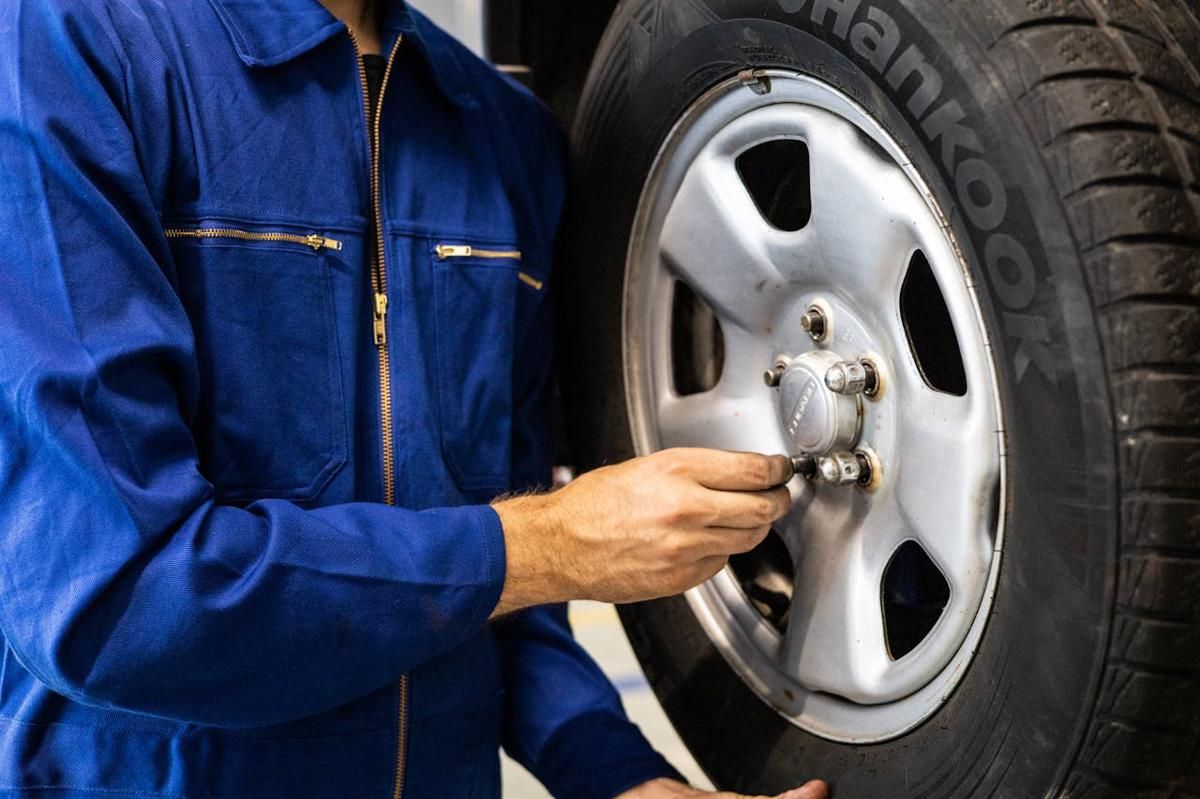
Small cracks in the tire wall often occur due to heat exposure, unstable air pressure, or long tire age. Although it looks trivial, these cracks can widen and create the potential for tire bursts at high speeds. Meanwhile, the lump on the tire wall indicates damage to the internal fiber which is quite dangerous.
These lumps usually appear as a result of hitting holes or pavements hard. Sometimes it is not immediately felt, but the effect forms a weak point on the structure of the tire. If you find a lump, changing the tire as soon as possible is the best step before the risk of a tire burst occurs in the middle of the trip.
3. Unnatural vibration while driving

When driving, the car can indeed vibrate a little, especially at a certain speed. However, if the vibration is felt, especially on the steering wheel, it could be that the tire signal is no longer precise. This vibration appears because the tires wear are uneven or the internal structure is disturbed.
Excessive vibration not only reduces driving comfort. In the long run, this can damage the suspension and other car parts. If the vibration is felt more and more often, you should immediately check and consider changing the tire.


4. The tires are too long
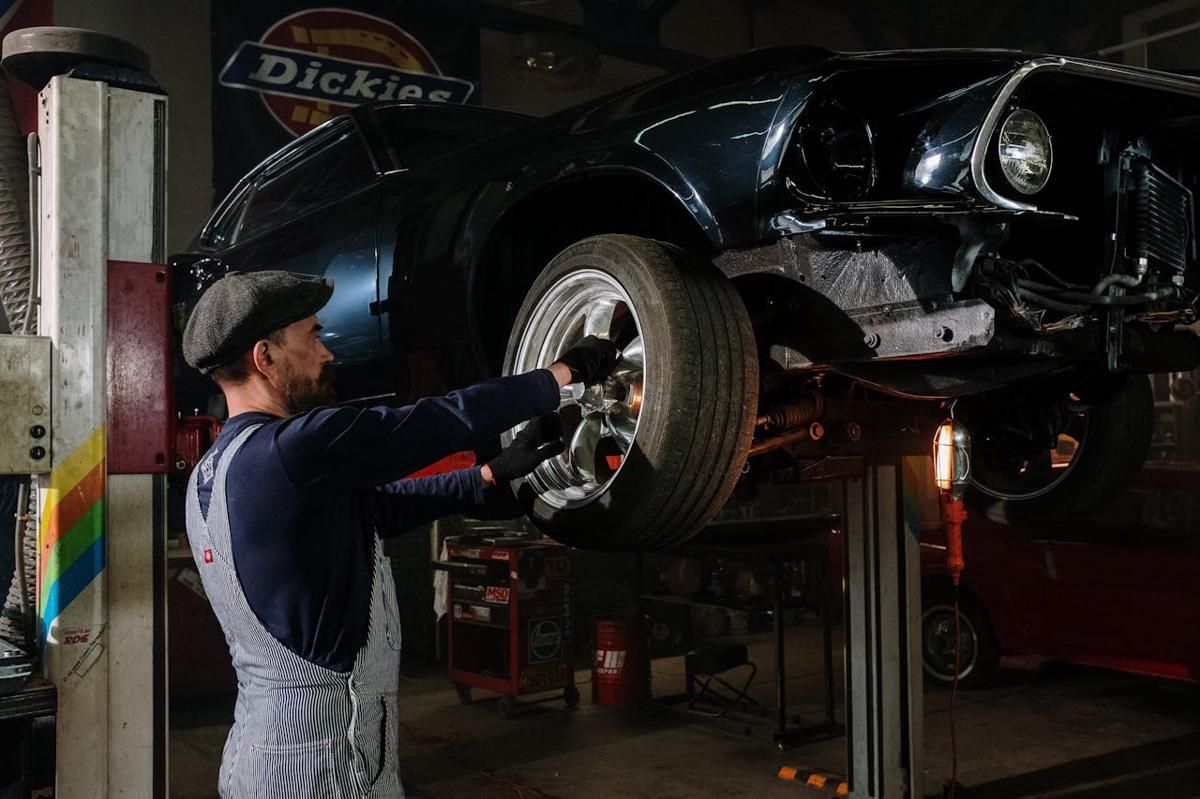
Although the tires still look thick, age still affects the elasticity of the rubber. The tires that are too old tend to harden, so the grip decreases. In general, the ideal tire age ranges from 3-5 years depending on the intensity of use and road conditions.
Tires that have hardened will feel stiffer when maneuvering and more slippery when the road is wet. In fact, old tires are more prone to cracking without realizing it. Checking the production code on the side of the tire can help find out how far the tires have traveled.
Maintaining the condition of the tires is a simple step but very crucial for driving safety and comfort. Tires that are maintained and replaced on time are able to provide more stable control and minimize the risk of accidents. So, don’t wait until the tire shows dangerous symptoms; Better to be on standby before something untoward happens.
What to do if a car tire explodes on the highway?