Why CVT Cars Are Not Popular In India?

The existence of CVT transmission in the Indian automotive market
CVT transmission or Continuously Variable Transmission is increasingly popular in various countries because it offers driving comfort with smooth displacement and relatively efficient fuel consumption. Many global manufacturers are launching cars with this transmission option, especially in the Asian market. However, unlike Indonesia or Japan, there is an assumption that the CVT transmission car is actually less in demand in India. This raises the question: is it true that CVT does not sell in that country?
India is known as a large automotive market with unique consumer preferences. Car prices, fuel efficiency, and durability are the main factors in purchasing decisions. Although CVT technology is available through several car models in India, the sales are said to be not as big as a car with a manual transmission or AMT (Automated Manual Transmission).
According to the latest data, the share of automatic cars (AMT, CVT, and AT) as a whole increased significantly: from 14 percent in 2018–19 to around 29 percent in the first half of 2023–24. However, the majority of contributions come from AMT and Manual, while CVT is still in a limited penetration stage.
Indian consumer preferences are more inclined to manuals and AMTs
Manual cars have long been a favorite of Indian people because they are more affordable and considered tougher. On the other hand, AMT has become a popular choice for consumers who want convenience without leaving efficiency. AMT transmission is cheaper to be produced and sold than CVT, making it suitable for the price sensitive Indian market. The Hindustan Times report said that in the big city of India, about one of three cars sold is now automatic, but most of them are AMT, not CVT.
Road conditions and driving style are a challenge
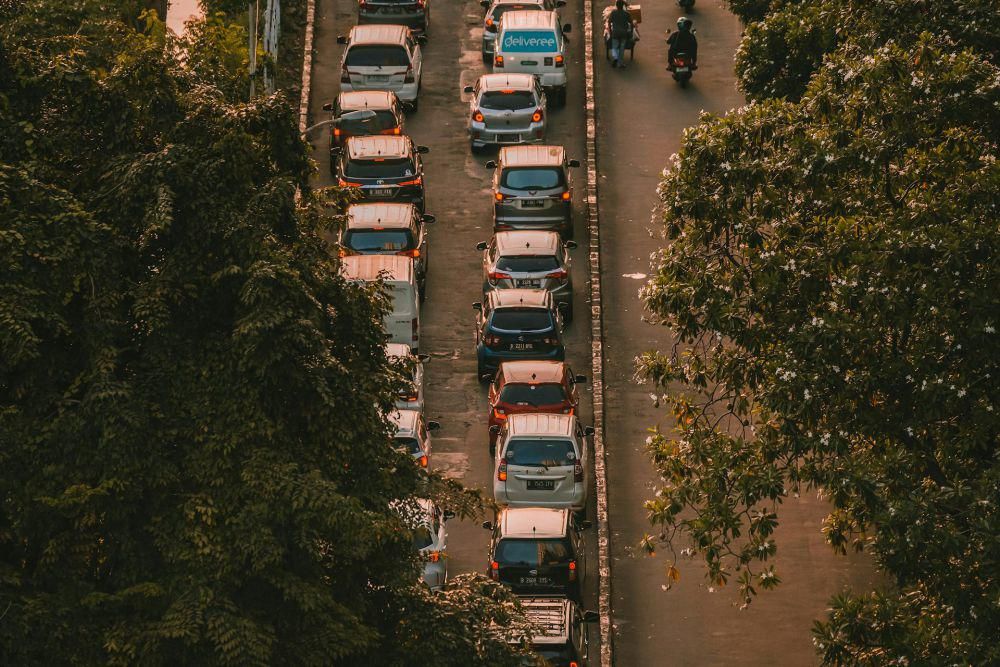
The road conditions in India are quite diverse, ranging from heavy urban traffic to less smooth rural roads. CVT, which is known to be smooth, is actually considered less responsive for the needs of fast acceleration on narrow and congested roads. Many drivers prefer manual or AMT transmissions that feel more “biting”.
Even so, manufacturers such as Honda reported that nearly 60 percent of their cars in India are sold in the CVT variant. This data shows that although the overall CVT market is small compared to manual and AMT, there are certain consumer segments in big cities that have received CVT as the main choice.
The price factor and care are decisive



The price of a car with a CVT transmission in India is generally higher than the manual or AMT version. In addition, the cost of CVT service and maintenance is considered more expensive, especially in the event of damage. This makes middle-class consumers—which make up the majority of the Indian automotive market—prefer manual or AMT transmissions that are more cost-effective. In the end, it does not mean that CVT does not sell at all, but the penetration is indeed limited because it is unable to compete in terms of price and perception of endurance.
Conclusion
In conclusion, the assumption that the CVT transmission car does not sell in India is not entirely correct. It is true, the Indian market is still dominated by manual and AMT, but the overall automatic car trend continues to increase to almost 30% of national sales. In fact, in certain segments such as Honda, CVT has contributed the majority of sales. This means that CVT is not yet a top choice in India, but it clearly has the potential to grow as the urban middle class increases in demand for driving comfort.