
Don’t just pour! different coolant combinations can cause the engine to overheat, here’s the explanation

The use of radiator coolant should not be done carelessly. This includes choosing the type and product used. Errors in the selection or mixing of coolant with different technologies can have an impact on engine performance to trigger overheat.
Radiator Coolant is a liquid that functions to keep the engine temperature stable while protecting components from rust. Its main content is ethylene glycol, which plays an important role in regulating the boiling point and heat release ability.
Henry Sada, President Director of PT Autochem Industry, explained that the reliability of the coolant radiator is not only seen from the ability to release engine heat. This liquid must also have the ability to suppress the emergence of rust in the radiator circulation.
He added that the use of ordinary water is still often done, even though tap water contains minerals and chlorine which can trigger corrosion. Coupled with the high temperature of the machine and oxygen, the oxidation process in metals such as aluminum, copper, and steel is getting faster.
In addition, radiator fluid also has a lifespan. If not replaced periodically, the anti-rust additive in it will run out and make metal components more easily rusted. In general, there are two types of anti-rust additives in coolant, namely IAT (Inorganic Acid Technology) and OAT (Organic Acid Technology)..
IAT is an old technology that is suitable for use on copper and brass radiators. These additives work by forming a protective layer over the entire metal surface. However, inorganic materials such as silicates and phosphates tend to decompose quickly, so their service life is only about 2-3 years or 40,000 km.
Meanwhile, oats are a more modern technology and are widely used in today’s vehicles. These organic-based additives work selectively and are not easy to form deposits.
“Without inorganic elements, the risk of sediment becomes very minimal. Organic elements are more difficult to decompose so that the service life of the radiator becomes longer,” said Henry. Coolant Oats have a longer service life, which is 5-10 years or up to 100,000 km, depending on the composition of the glycol and the conditions of use.


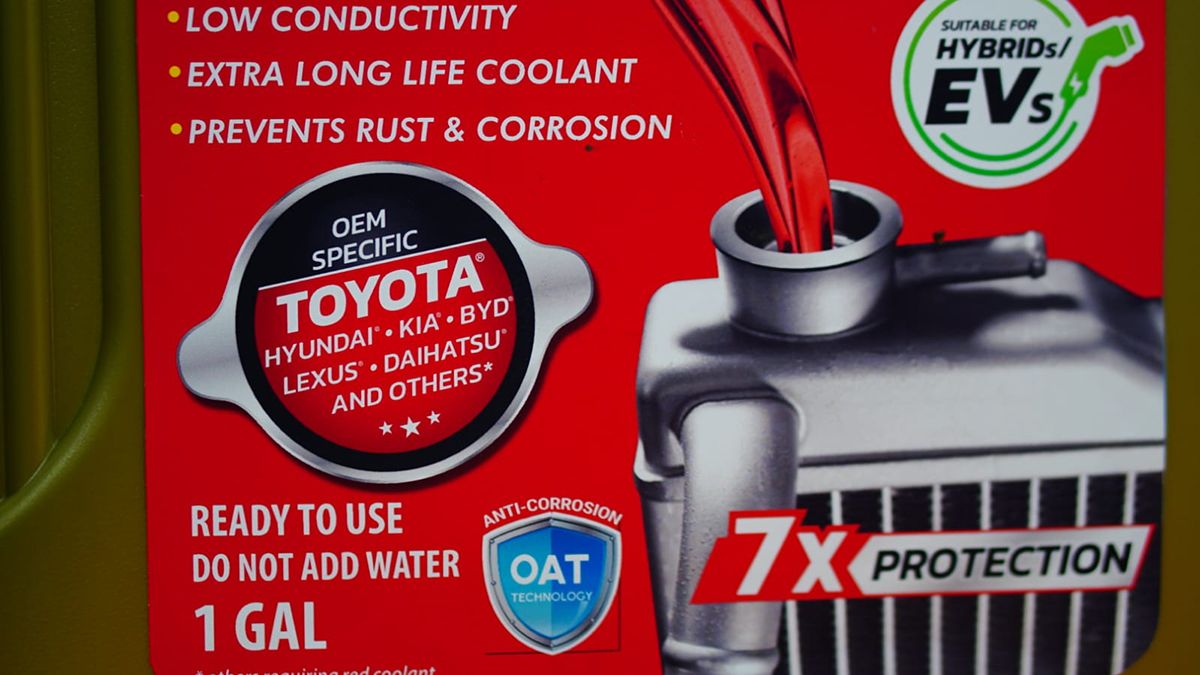
The use of oats is considered more suitable for modern machines with aluminum materials and narrower cooling lines. However, it should be noted that the prohibition of mixing coolant IAT and OAT in one cooling system.
“If mixed, the two additives will neutralize each other. The cooling system can lose protection against corrosion and potentially cause a sediment that hinders circulation,” he explained. The precipitate can turn into mud or gel that clogs the radiator, so that the flow of liquid is disturbed and the engine heats up faster.
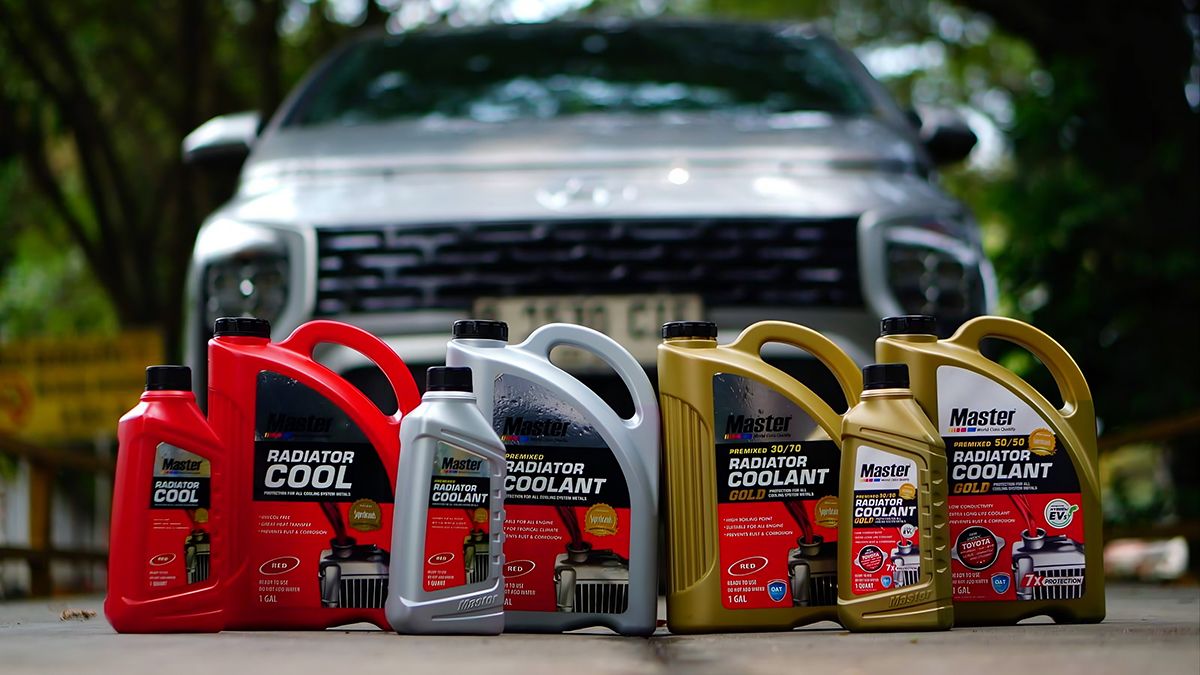
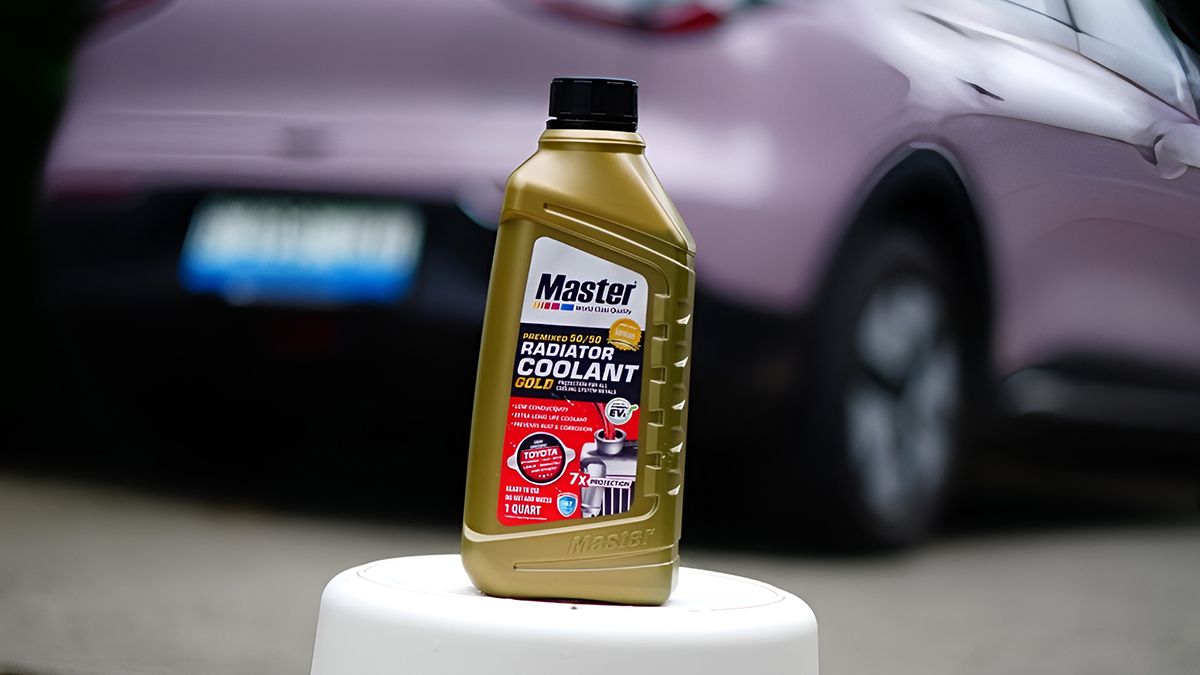
For this reason, the selection of coolant products is also important. One that is available on the market is the Master Radiator Coolant which is claimed to be designed for use in tropical climates.
“Before replacing the radiator coolant, it’s a good idea to choose the right product. The master radiator coolant is designed to be able to provide maximum performance on the vehicle engine, with good heat transfer capabilities and higher boiling points than water,” said Henry..
For your information, Master Radiator Coolant is available in several variants, such as Cool Radiator Master, Master Radiator Coolant Premix, and Master Radiator Coolant, which are tailored to the needs and specifications of the engine..
With the use of the right coolant and not mixing different types, the cooling system can work optimally and keep the engine at the ideal temperature, so the risk of overheating can be avoided.


