People Finally Understand Email CC and BCC Secrets

Understanding the Meaning Behind CC and BCC in Emails
Email has become an essential part of modern life, used daily for both personal and professional communication. However, many of its features remain misunderstood, especially when it comes to the CC and BCC fields. These functions are commonly used, yet a surprising number of people are unaware of what they actually stand for.
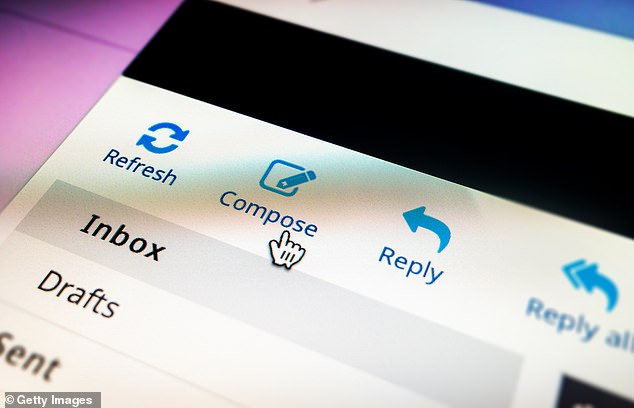
A viral post on X (formerly Twitter) highlighted this lack of knowledge, with users joking about what CC might mean. One user said, “Someone said CC means be careful someone’s watching.” Another claimed, “CC is the same as putting everyone in the ‘to’ field.” Others joked that CC stands for “witnesses added.” Many admitted feeling embarrassed when realizing they weren’t as tech-savvy as they thought.
So, what do these terms really mean?
The CC field in an email officially stands for “Carbon Copy.” This term originated from the days of physical mail, when carbon paper was used to create exact copies of letters. To make a duplicate, a piece of carbon paper was placed between two sheets of paper. Today, when you CC someone, both the recipients in the “To” field and those CC’d can see each other’s email addresses.
CC is best used when you want to include someone in an email who needs to be informed but isn’t the primary recipient. It helps keep others in the loop without making them the main focus of the message.
There is also a BCC function, which stands for “Blind Carbon Copy.” Unlike CC, the recipients in the BCC field are not visible to the person the email was intended for. Their email addresses are completely hidden, making BCC ideal for sending out large emails where privacy is important, such as company client lists or mass communications.



Email Etiquette: What You Need to Know
Email etiquette is constantly evolving, and there are specific rules to follow, especially in professional settings. Last year, a Reddit thread sparked a discussion about the importance of starting an email with the right tone. Many users emphasized that beginning an email solely with someone’s name could be seen as rude or passive-aggressive.
It’s common for people to start an email with a greeting like “Hello” or “Hi,” but some users argued that skipping this step could come across as impolite. One user shared their frustration with emails that started with just a name and a comma, such as “John, could I get an update on this? Ben.” They noted that such emails lacked any form of greeting or sign-off, which could make the recipient feel disrespected.
Another user suggested that this might be a generational difference, as senior employees often send emails in a more direct and blunt manner. They mentioned that in their company, senior staff tend to use the most straightforward language possible, sometimes without any greeting or sign-off.
However, not everyone agrees with this approach. Some users found it rude and said they only open emails without greetings if they were trying to express irritation or anger. One user admitted, “I would find it rude, yeah. But mainly only cause when I do it, it’s 100 percent cause I’m p*** off with the person.”
These discussions highlight the importance of being mindful of how we communicate through email. While some prefer a direct and to-the-point style, others value politeness and clear structure. Understanding these nuances can help avoid misunderstandings and maintain professional relationships.