Top 10 Most Dangerous Aircraft Ever Built

The Most Dangerous Aircraft in Aviation History
Throughout aviation history, some aircraft have been plagued by design flaws and operational issues that made them particularly hazardous. These planes often managed to slip through the design and testing stages without all their vulnerabilities being discovered, leaving crews and passengers to deal with the consequences. While many of these aircraft were products of their time, their dangers remain a cautionary tale for aviation engineers and pilots alike.
10: Tupolev Tu-104
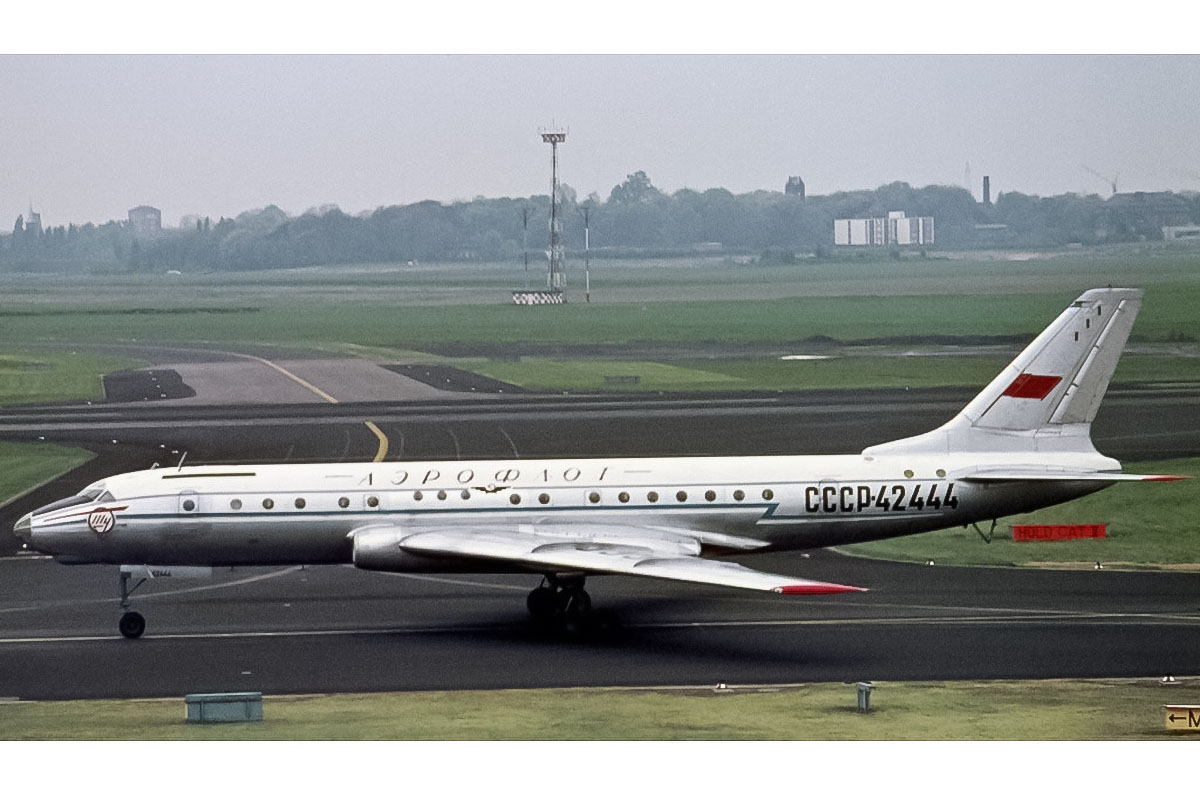
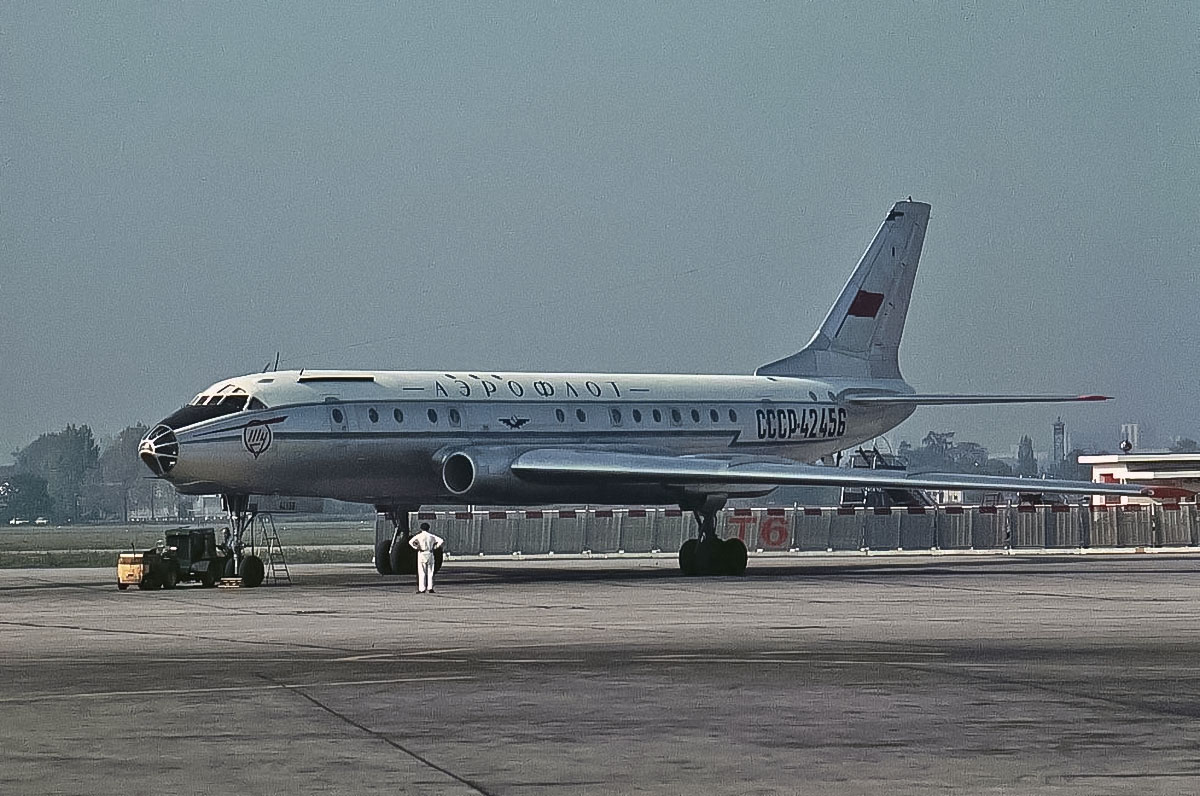
The Soviet Tupolev Tu-104 was the world’s first jet airliner during a brief period when the British Comet was out of service. However, it was far from safe. The controls were heavy, and the highly swept wings had adverse handling characteristics near the stalling speed. Pilots often flew approaches faster than intended, leading to problems that brake chutes couldn’t resolve. Over the years, 32 aircraft were lost in accidents, and another was hit by a missile after a training exercise. Aeroflot withdrew the Tu-104 in 1979, and the Russian military continued using it until 1981. With 201 built, the Tu-104 had a loss rate of 16%, which was better than the next entry but still poor compared to other jets.
9: de Havilland Comet
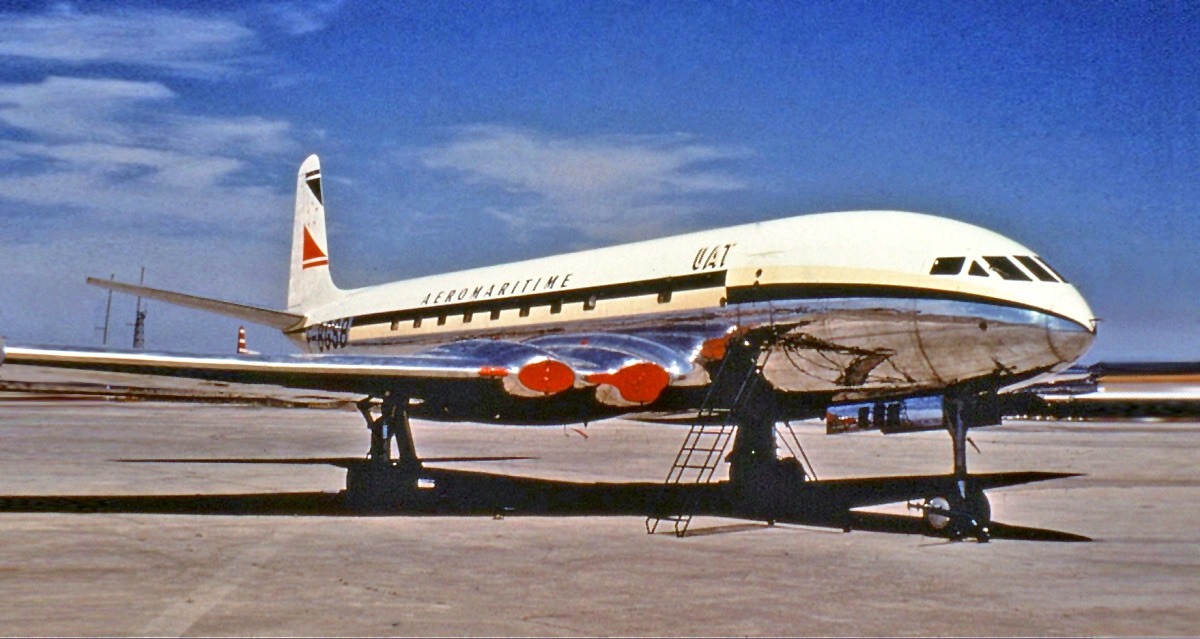
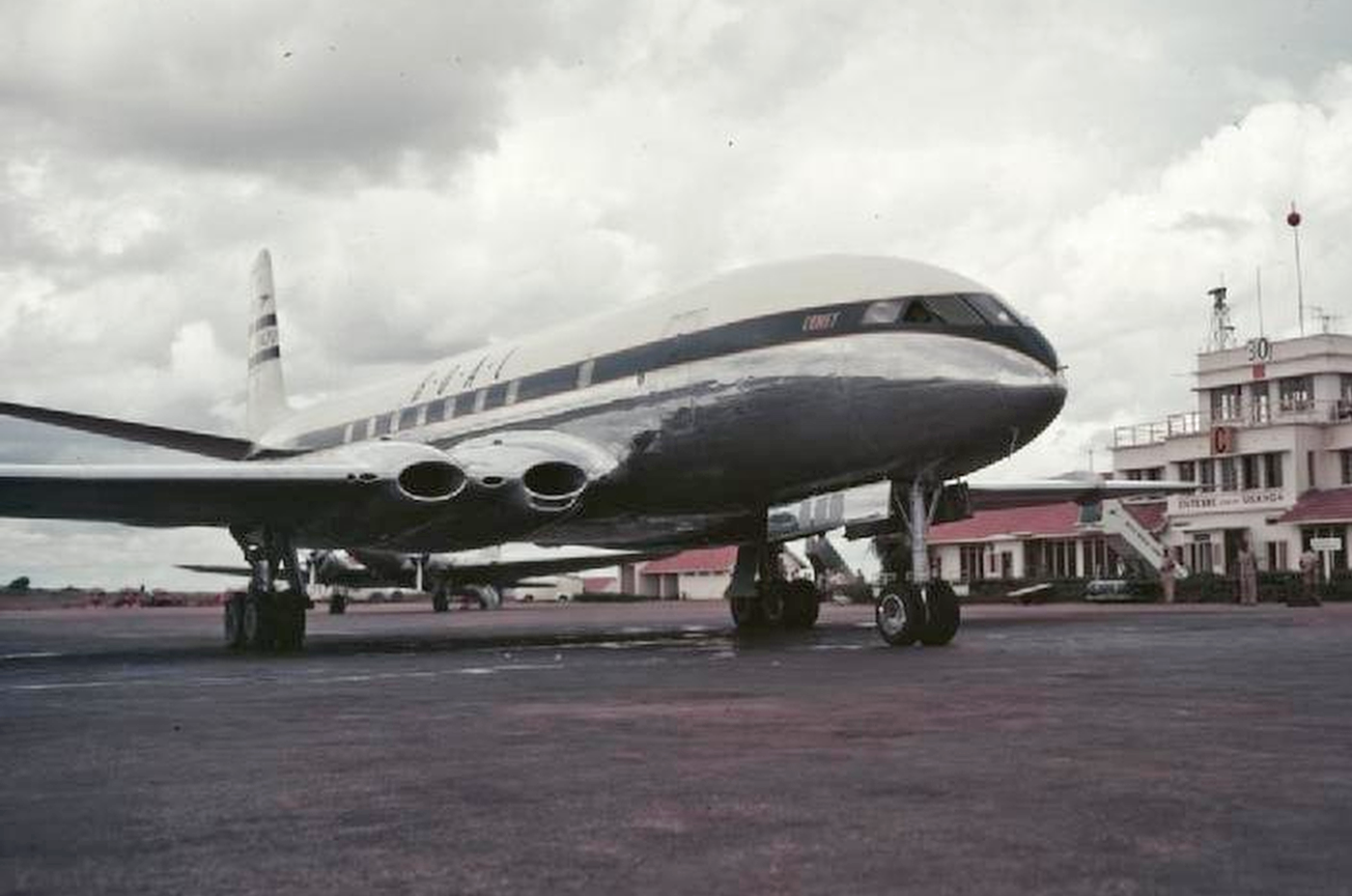
The de Havilland Comet was the world’s first jet-powered airliner, entering service with BOAC in 1952. It promised a golden future for British civil aviation, but it quickly became clear that the Comet had serious issues. In 1952, two Comets ran off runways, killing all aboard. A more devastating incident occurred in 1954 when a Comet disintegrated over the Mediterranean, killing everyone on board. Investigations revealed that cracks at rivet holes caused by thin metal led to catastrophic failures. Although modifications were made, the Comet’s reputation was damaged, and it never recovered its early promise. A total of 25 Comets were lost out of 114 built.
8: Gloster Meteor
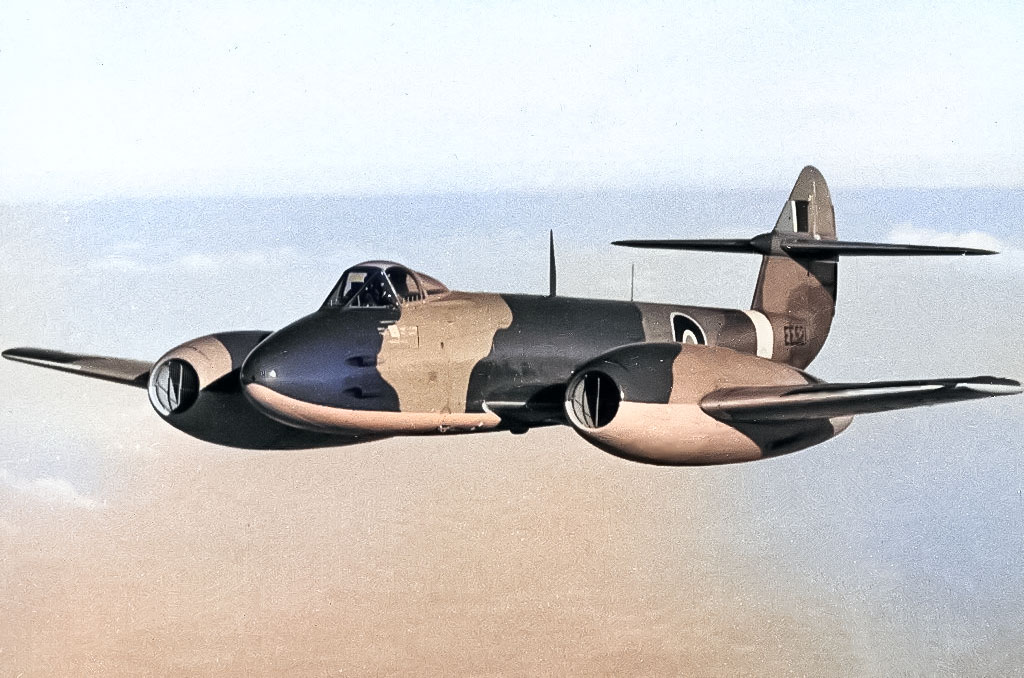
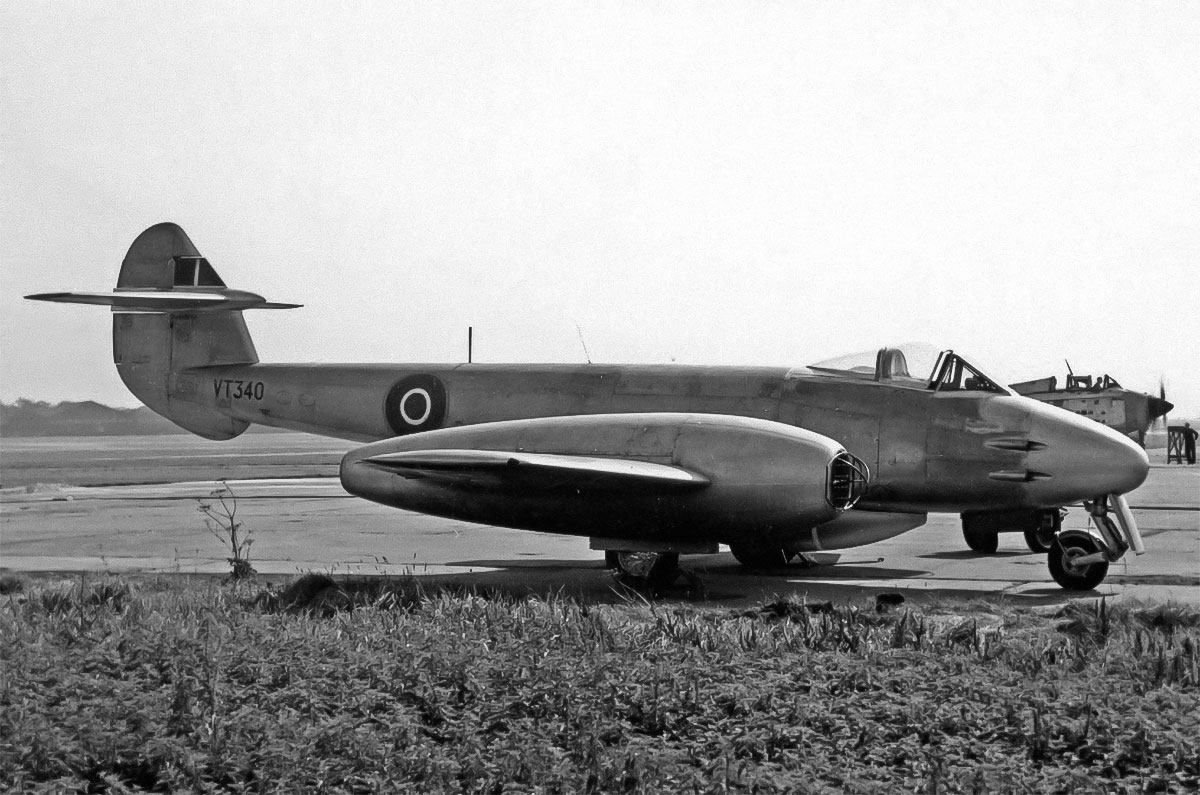
As the first jet-powered fighter of the Allies, the Gloster Meteor had several dangerous design features. Engine failures on takeoff could be fatal due to asymmetric thrust. Pilots had to rely on their own critical speed recommendations based on leg strength. Other issues included selecting air brakes with flaps down, which could cause a dive. The limited navigation aids available at the time also caused problems, such as an incident in 1951 where a flight had to descend over the sea to gain visual conditions. The Meteor had a high accident rate, with 890 losses in RAF service alone, accounting for 22% of the production run.


7: Vought F7U Cutlass
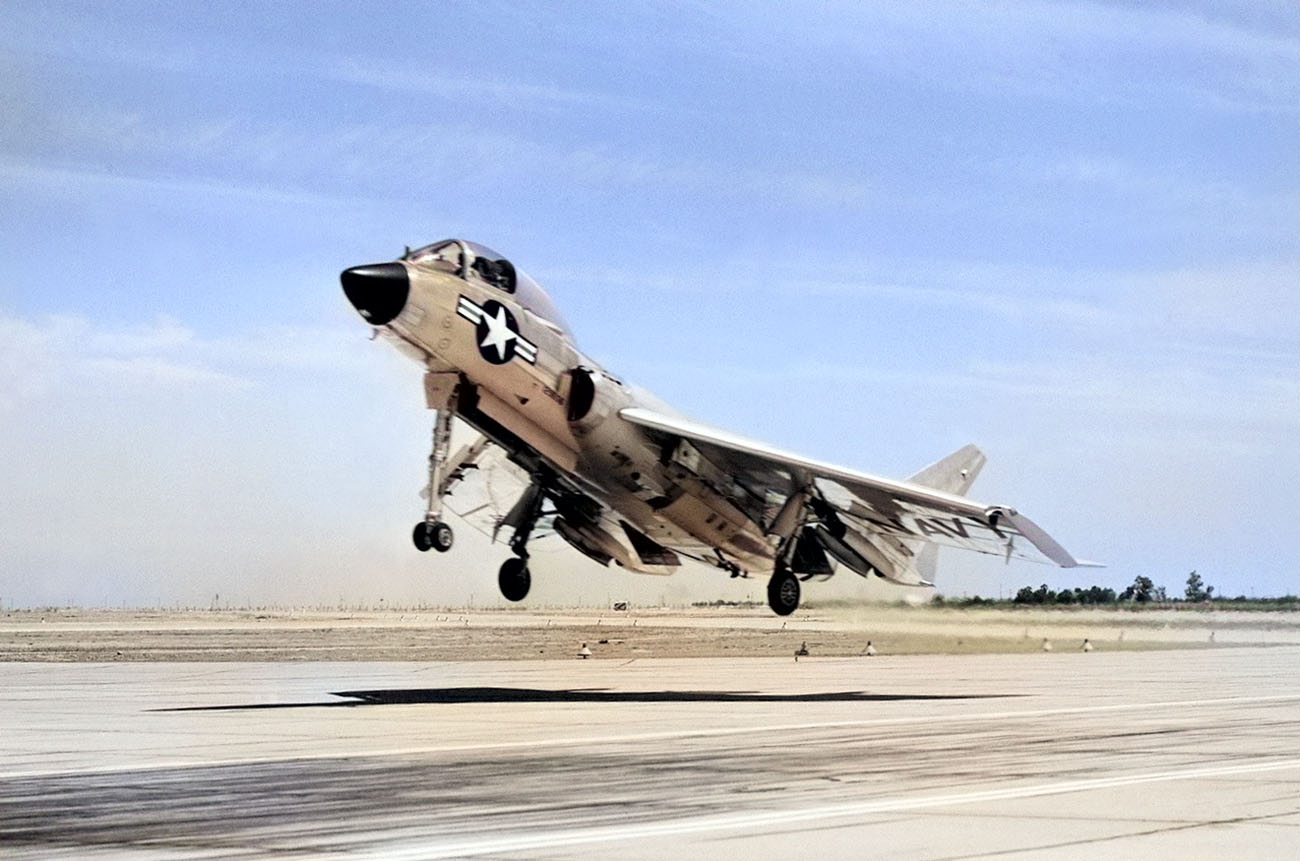
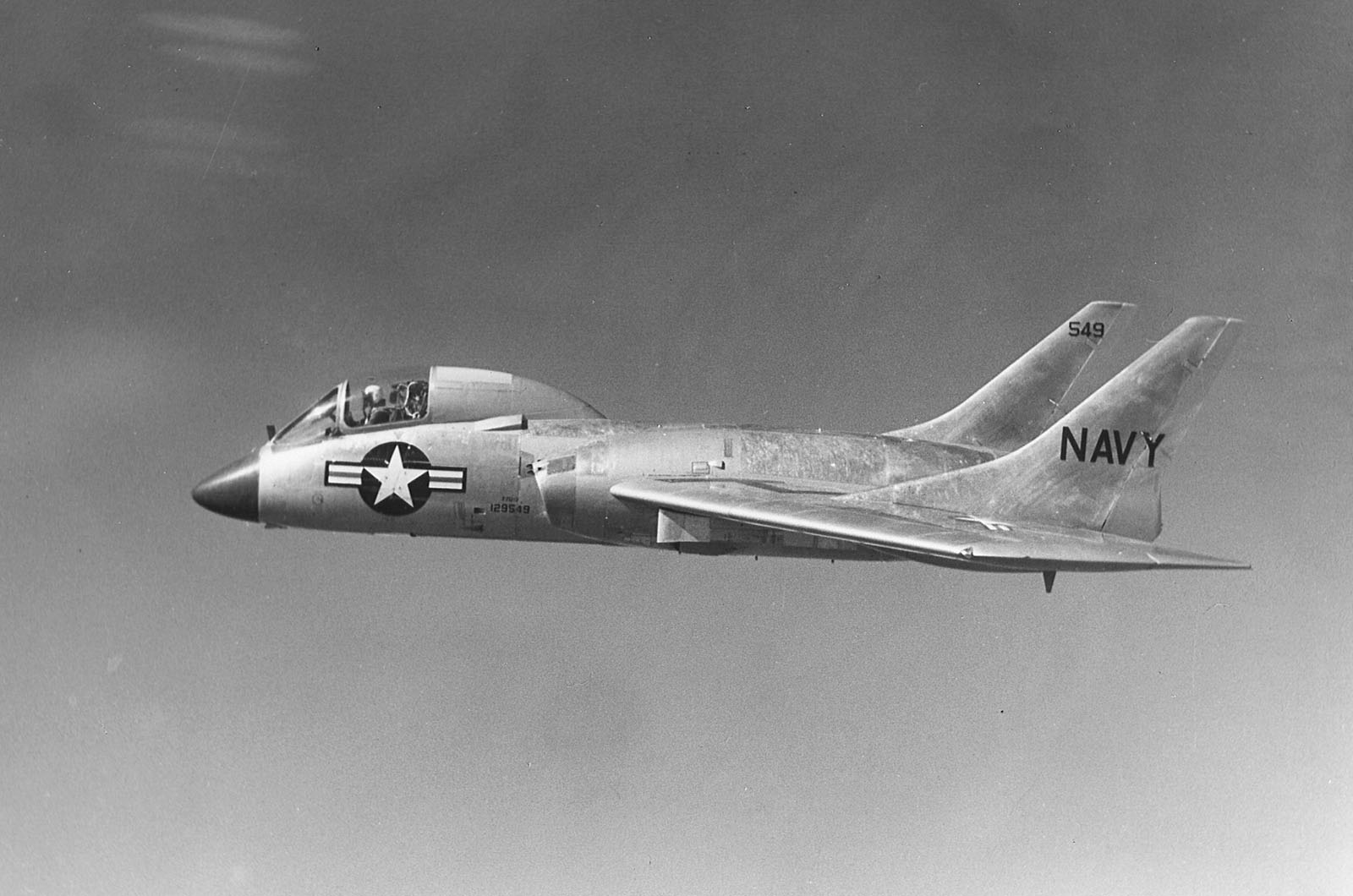
The Vought F7U Cutlass was a futuristic-looking jet, but it lacked safety considerations. A lack of thrust, a complicated hydraulic system, and a fragile nose gear were among its flaws. The cockpit was 14 feet off the ground, making landing and taxiing difficult. If the nose gear collapsed, it could punch through the cockpit floor, causing the ejection seat to fire. The aircraft was withdrawn from fleet operations in 1957, but some remained in second-line use until 1959. Of the 320 built, 78 were lost in accidents, making it one of the most dangerous U.S. Navy jets.
6: C-87 Liberator Express
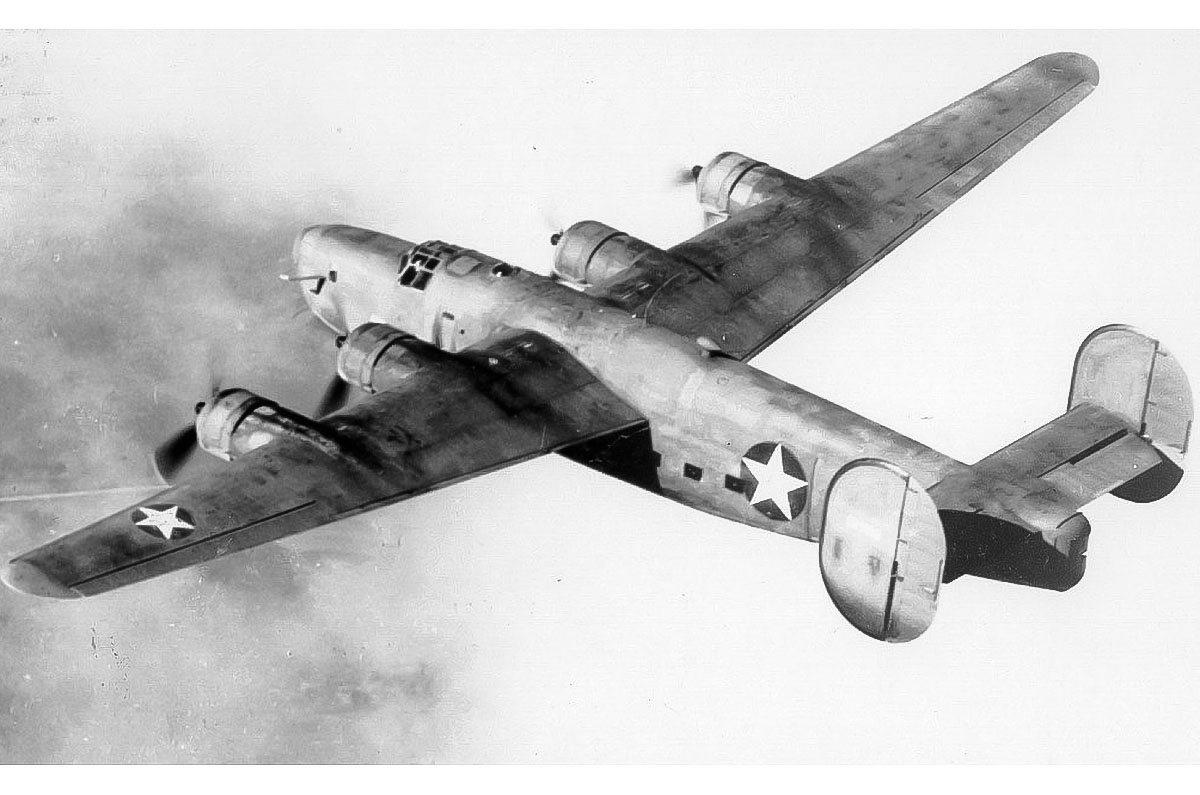
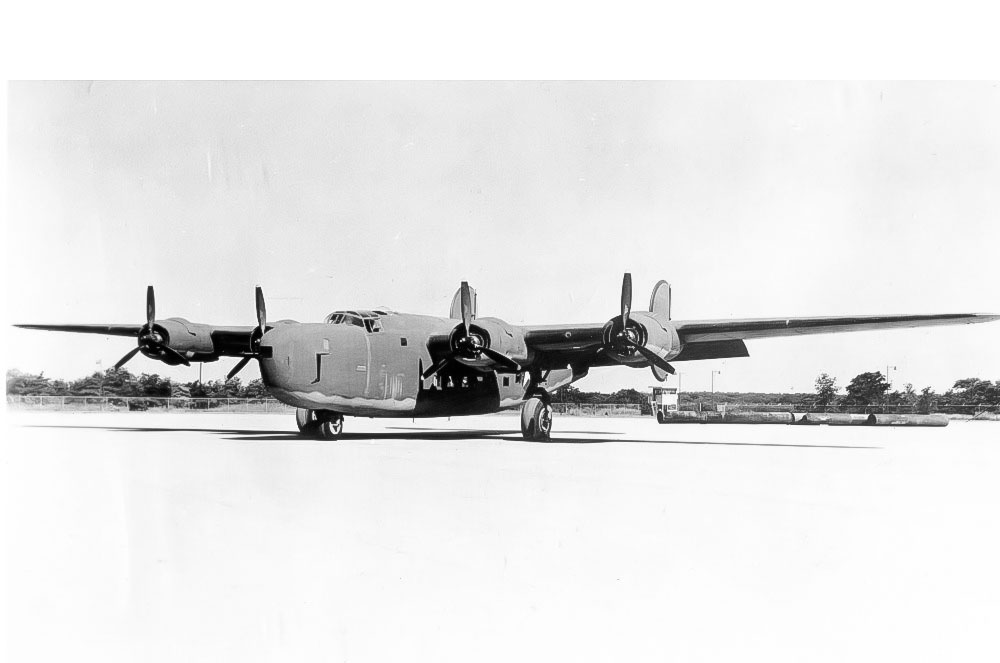
The C-87 Liberator Express was a transport version of the B-24 Liberator, but it suffered from poor design and construction. Shortcuts taken during production led to issues like a weak supercharger, a prone-to-break nose gear, and cargo shifting that could destabilize the aircraft. The C-87 had a loss rate of over 50%, with 152 of 287 lost. Compared to the B-24, which had a loss rate of around 33%, the C-87 was significantly less reliable.
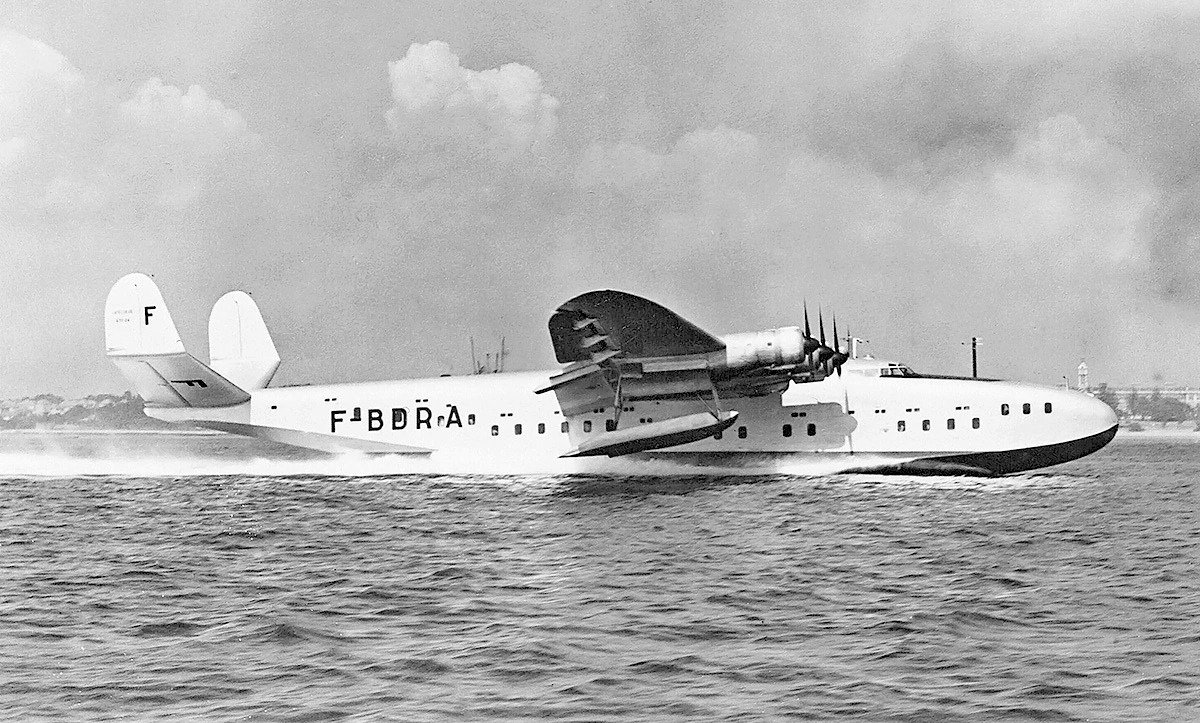
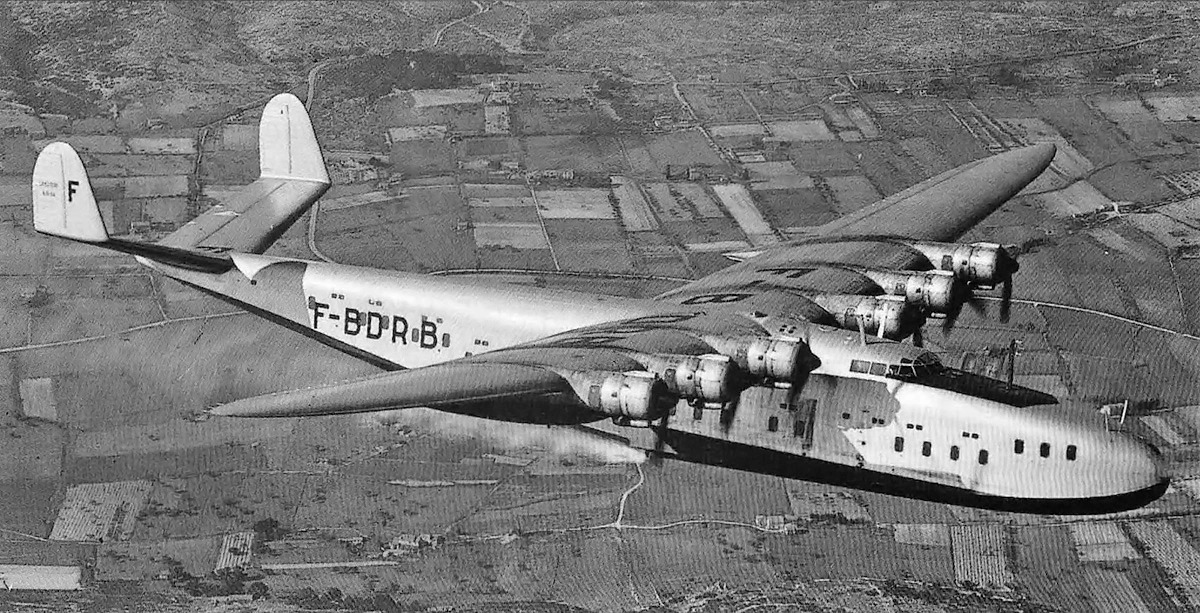
5: Latécoère 631
The Latécoère 631 was a luxurious flying boat, but its service was marred by accidents. One propeller broke off mid-flight, causing damage and fatalities. Another crashed into the English Channel in bad weather, leading Air France to cancel its orders. Four of seven 631s were lost in accidents, with all onboard dying. The remaining planes were used for cargo before operations finally ceased in 1955.
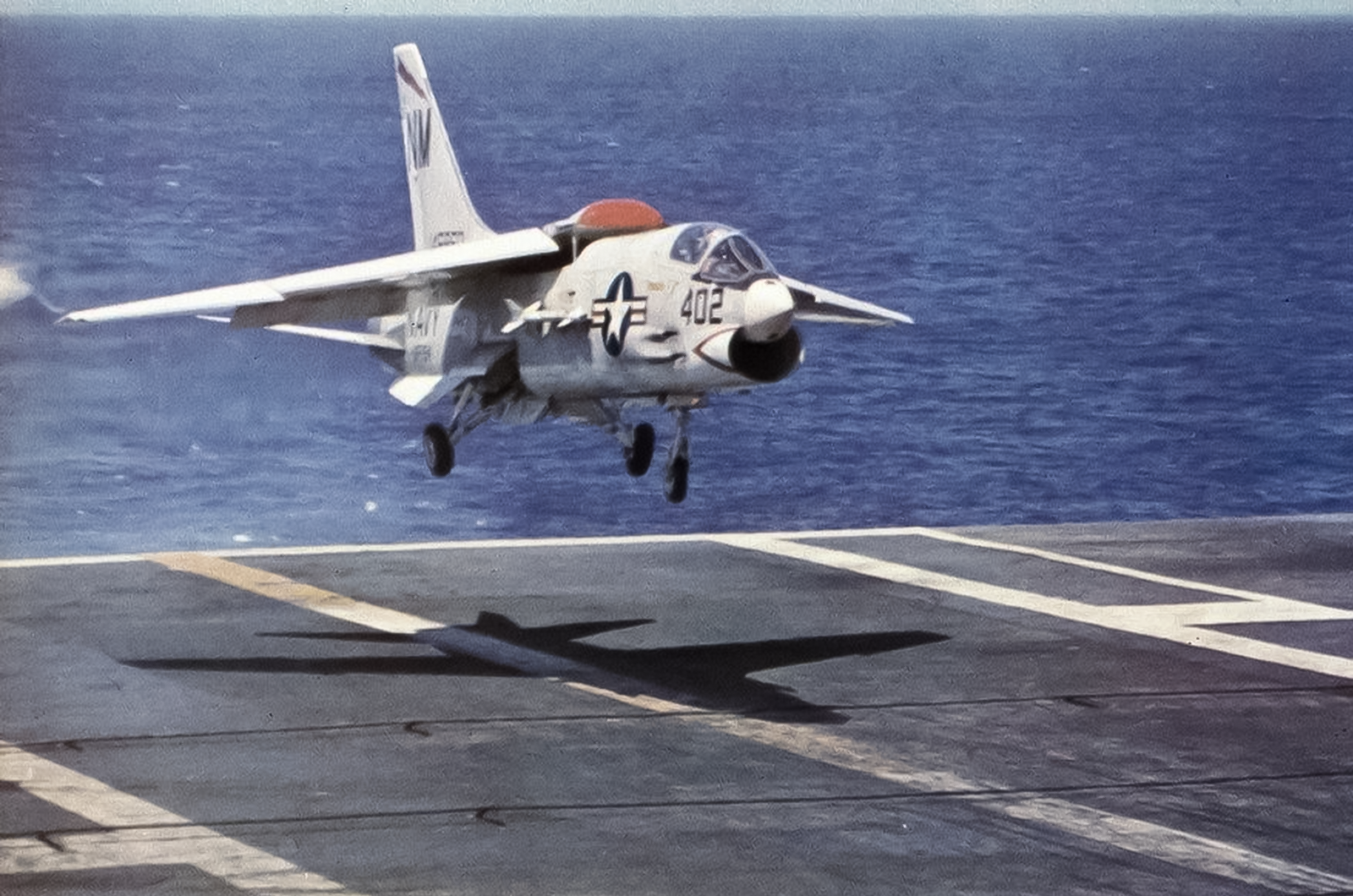
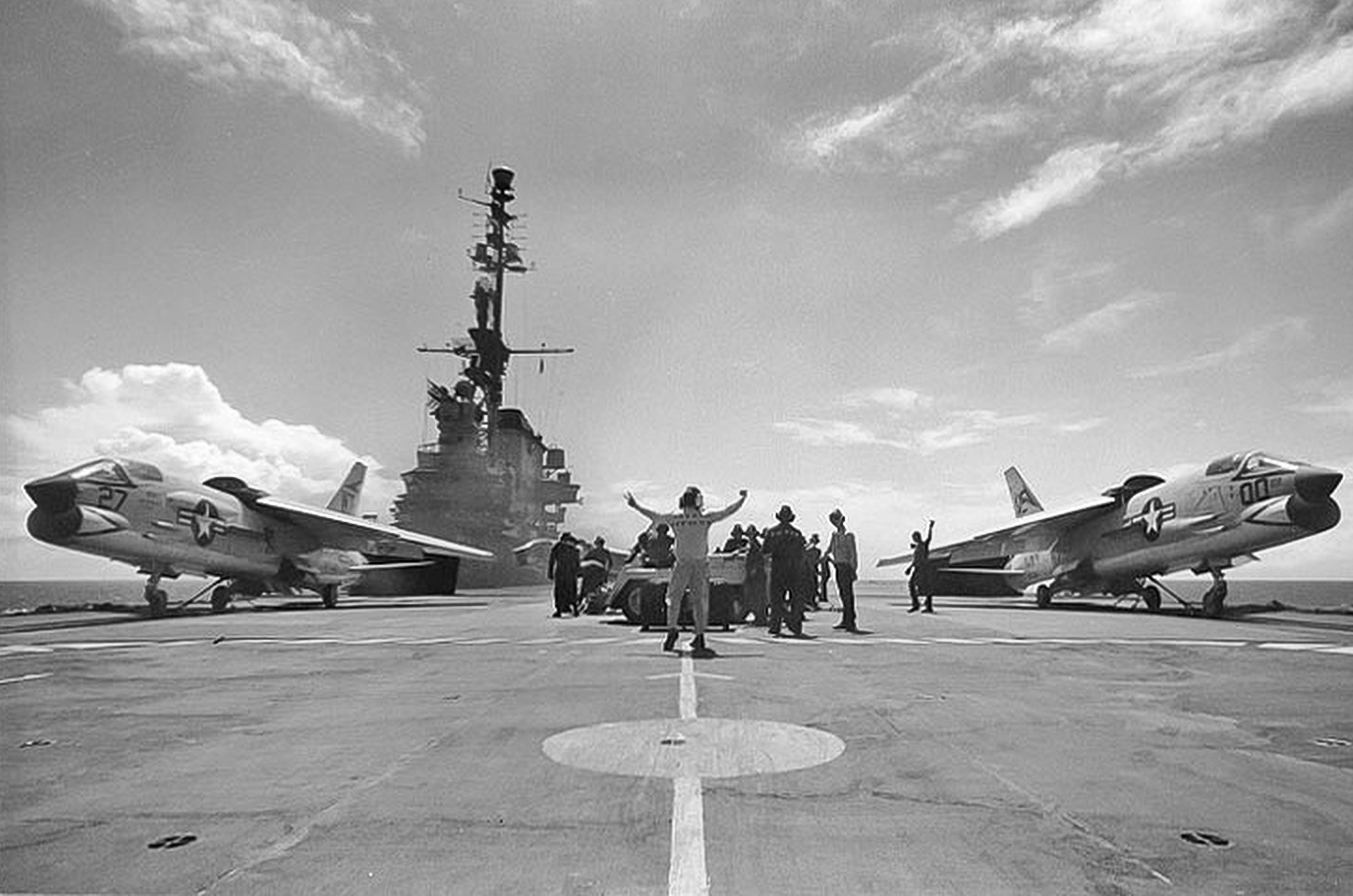
4: Vought F-8 Crusader
The Vought F-8 Crusader was known for its dangerous landing characteristics, with 493 pilots ejecting from the aircraft. A total of 517 of 1,261 built were lost, giving it a loss rate of 41%. The high approach speed and complex design made it challenging for pilots, especially on smaller carriers. Despite improvements, the Crusader remained a risky aircraft, with 737 entries in the Aviation Safety Network database.
3: Supermarine Scimitar
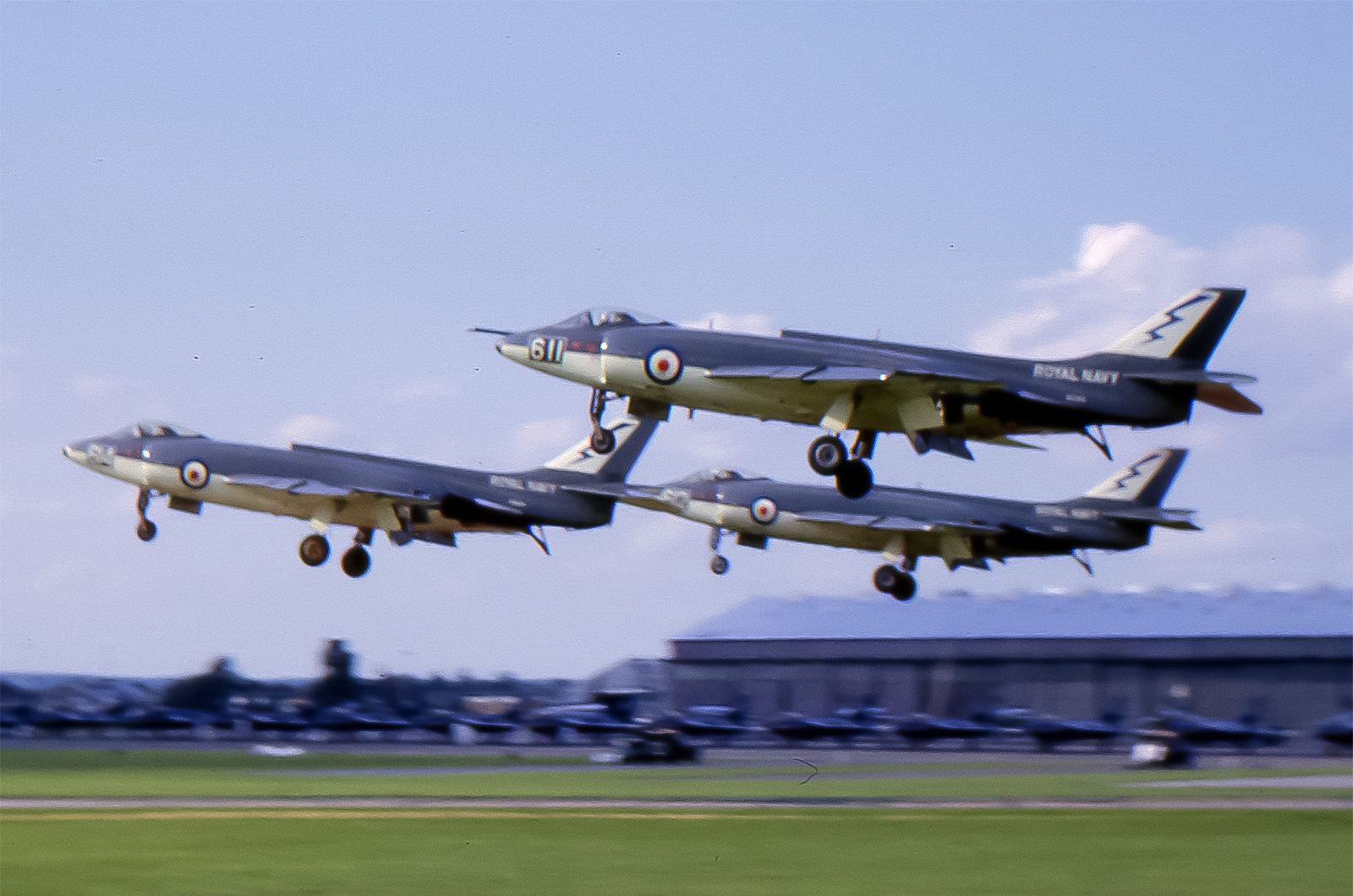
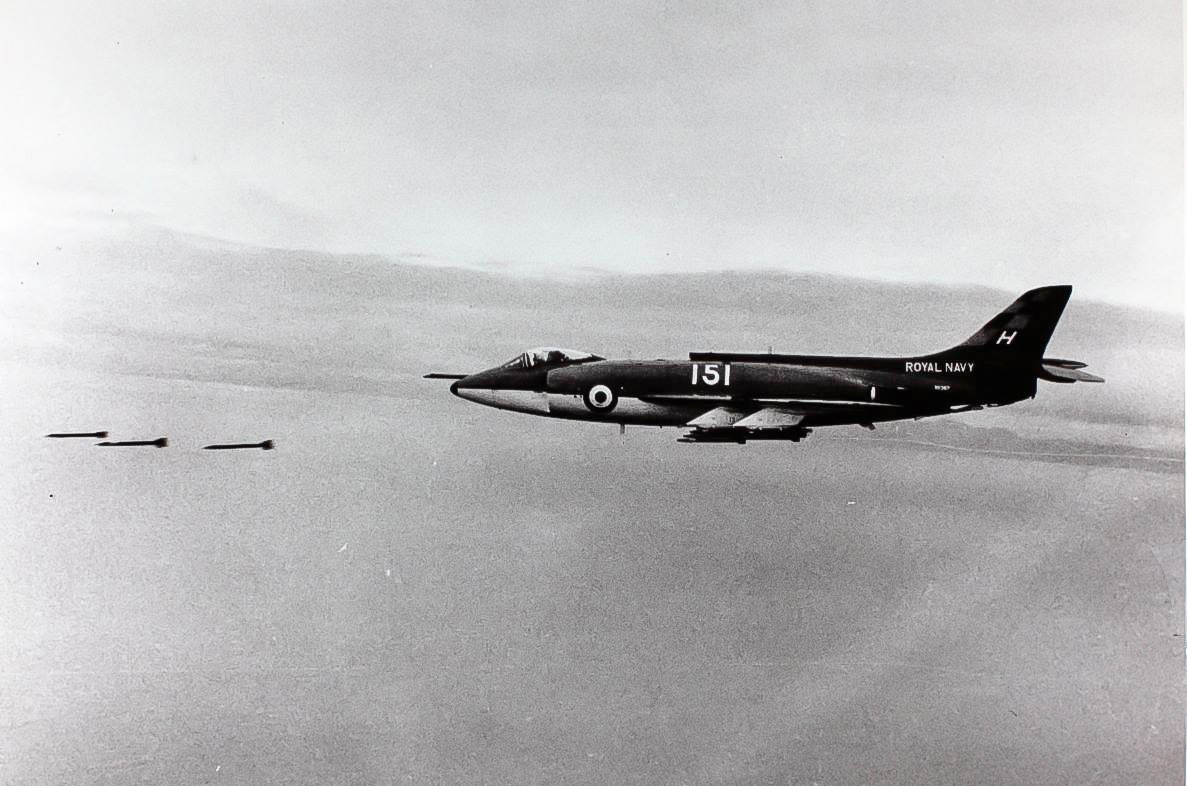
The Supermarine Scimitar was a twin-jet naval fighter, but it had a high accident rate. Many of its losses were not related to carrier landings, including cable breaks, brake failures, and engine failures. Out of 76 built, 39 were lost in accidents, a staggering 51% loss rate. The Scimitar saw little combat, with its closest encounter being deterring an Iraqi invasion of Kuwait in 1961.
2: Republic F-105 Thunderchief
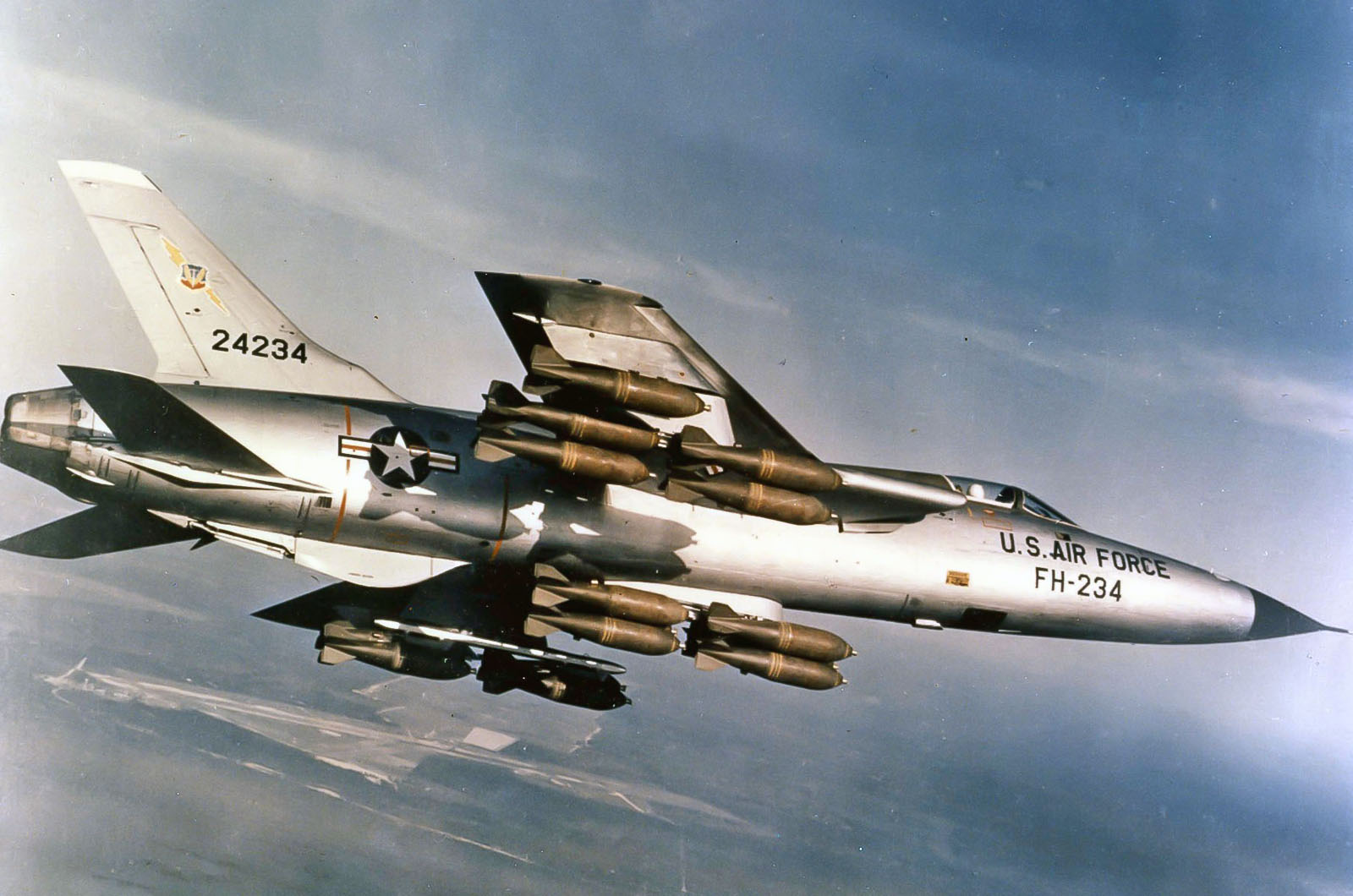
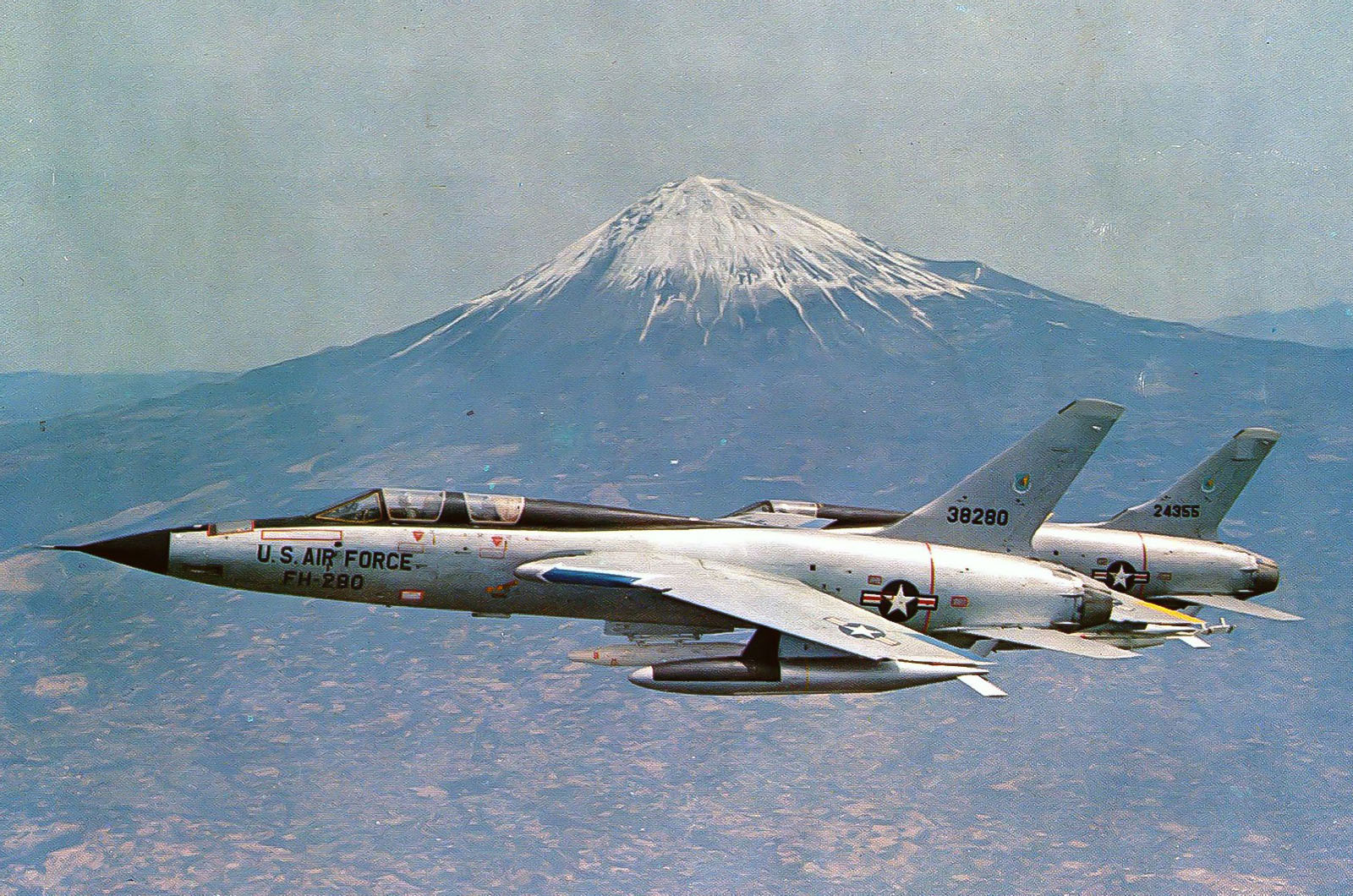
The Republic F-105 Thunderchief had a troubled start, with prototypes crashing on landing. Its single hydraulic system controlling the horizontal stabilizer was a weak point, and it faced heavy losses in Vietnam. At least 60 were lost in 1965, 111 in 1966, and 97 in 1967. In total, 334 Thunderchiefs were lost in combat, nearly 20% of USAF losses. Additional accidents brought the total loss rate above 50%.
1: Yokosuka MXY-7 Ohka
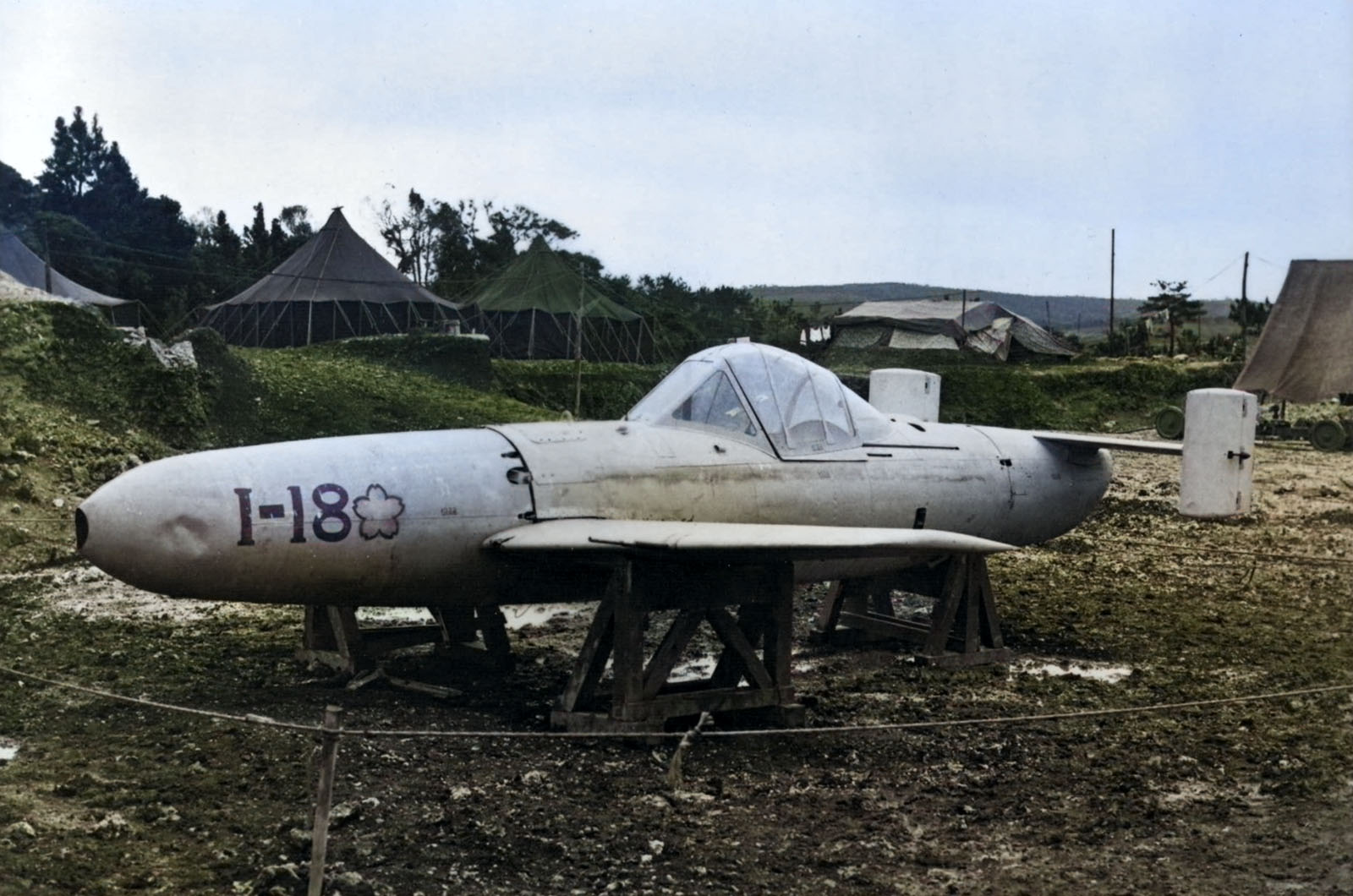
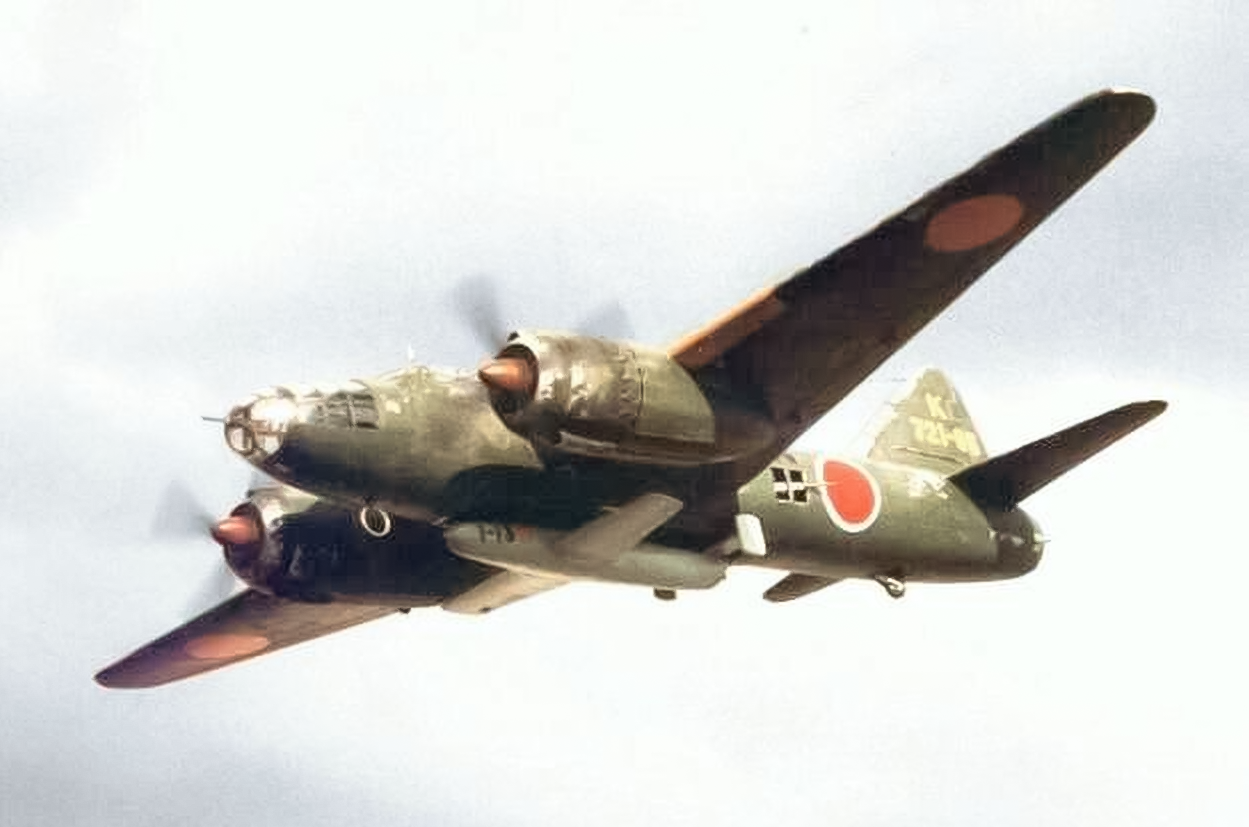
The Yokosuka MXY-7 Ohka was a suicide bomb designed for kamikaze attacks. Pilots were sandwiched between a warhead and a rocket motor, with armor plating at the rear. However, its limited range required it to be carried by a G4M bomber, which reduced its effectiveness. Only one ship, the USS Mannert L Abele, was sunk by the Ohka, and the mission resulted in significant Japanese casualties. The Ohka was even more dangerous than intended, raising grim questions about its purpose.