Electric Car Rp 200 Million Tempting, Domination of LCGC Threatened?

The electrification car market in Indonesia is starting to change
The electrification car market in Indonesia is increasingly competitive with the presence of various models in the price range of Rp. 200 million. The choice is now not only a small city car, but also a compact SUV with a modern design and increasingly complete technology. This condition makes electrification vehicles more realistically owned by the wider community, especially for daily mobility needs in urban areas. In fact, the electrification car of Rp. 200 million seems to be a strong competitor to the LCGC car.
Rows of EV cars for IDR 200 million and their excellent features!
BYD ATTO 1
This car is present as one of the most affordable electric cars from BYD in Indonesia. This car offers a modern hatchback design with a futuristic minimalist cabin. Inside, there is a large digital touch screen, full digital instrument panel, smartphone connectivity, and a typical BYD blade battery that is known to be safe and durable. The distance is claimed to reach about 380 kilometers on a single charge. Price: Starting from around Rp. 199 million to Rp. 235 million.
Wuling Air EV
Wuling Air EV is still one of the most popular electric cars in the entry level segment. This tiny car is suitable for use in urban areas because the dimensions are compact and easy to park. Its flagship features include Indonesian voice commands, smart key systems, vehicle application connectivity, and modern interiors with futuristic nuances. Air EV also offers relatively efficient operational costs for daily use. Price: starting at around Rp. 214 million.
Seres E1
Seres E1 targets young users and small families who need practical vehicles. This car comes with a compact design and a four-passenger cabin. The features offered include a digital infotainment screen, keyless entry, power window, and a modern interior with a simple feel. Seres E1 is also quite attractive because the cost of ownership is relatively low. Price: around Rp. 189 million to Rp. 219 million.
VinFast VF 5
Vinfast VF 5 appears as a compact electric SUV with a modern design and high ground clearance. This Vietnamese car offers a five-passenger cabin with a modern minimalist interior. The VF 5 is equipped with a digital entertainment screen, modern basic safety features, and a mileage of about 260 kilometers. The character is suitable for urban use as well as traveling outside the middle distance city. Price: Starting at around IDR 212 million with a battery rental scheme.
Geely EX2 Pro
The Geely EX2 Pro comes with a compact crossover design that looks modern and sporty. This car uses a battery capacity of 40.16 kWh with a power of 114 hp. One of the attractions is the mileage which is claimed to be about 410 kilometers. The interior also carries a digital concept with a large infotainment screen and a cabin that is quite spacious for five passengers. Price: around IDR 229 million.
Changan Lumin
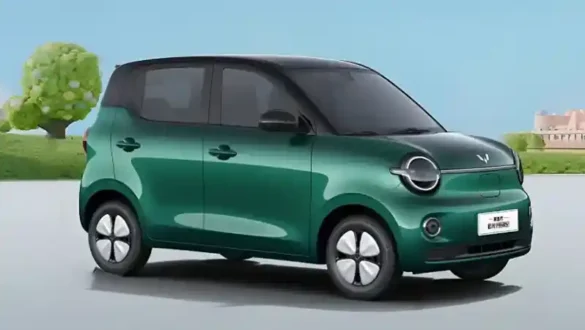
Changan Lumin offers a small retro-modern style design that is quite eye-catching. This car is designed for urban mobility with small dimensions and efficient energy consumption. The interior carries a minimalist digital display with various modern features for daily use. This model is suitable for consumers who are looking for the first electric car at a relatively affordable price. Price: in the range of Rp. 178 million – Rp. 205 million.
Chery Q
Chery Q is equipped with the ability to charge the battery quickly. This electric car is claimed to be able to charge from 30 percent to 80 percent in just 16.5 minutes using the Fast Charging feature. A number of modern features are also embedded in this car, such as a 6.6 kW V2L, Autonomous Parking Assist, to a 540-degree camera. For color, this model comes in three color choices, namely Dusk Purple, Oak Latte, and Spark White. Price: in the range of Rp. 200 million.


Cheap EVs are increasingly invading, Chery and Toyota talk about the fate of LCGC in Indonesia
Even so, the presence of a row of electrification cars with a tag of Rp. 200 million has indeed begun to change the national automotive competition map. If for more than a decade the cheap environmentally friendly vehicle segment or low cost green car (LCGC) dominates the entry level market, now consumers are starting to be noticed by various electric vehicle manufacturers by offering increasingly competitive prices.
Various brands such as BYD, Wuling Motors, to Chery have started to present compact electric cars at prices that are not far from the popular LCGC model with gasoline engines. Interestingly, the electrification vehicle is equipped with modern technology such as large digital screens, smart connectivity, active safety features, to lower operational costs for daily use in urban areas.
This condition makes the dominance of LCGC cars slowly getting a new challenge. So far, consumers have chosen LCGC because of the affordable price factor and fuel efficiency. However, now electric vehicles are starting to offer more value through government incentives, cheaper energy costs, and a more modern image of technology.
Even so, Chery Indonesia, as one of the players in the electrification vehicle market of Rp. 200 million with Chery Q, revealed that the presence of electrification vehicles at affordable prices is not to replace the LCGC segment. But it provides new choices for consumers.
“Consumers in this segment need very rational reasons, reasonable prices, low operational costs, ease of charging, and clear after-sales service,” Budi said when contacted.
“This direction is an opportunity to present electrification vehicles that can answer the need for affordable mobility and more relevant for consumers,” he said.
Meanwhile, PT Toyota-Astra Motor as a player in the LCGC market with the presence of Agya and Calya revealed the same thing. LCGC and electrification vehicles are here to answer different market needs, so that both have their respective roles in supporting the mobility of the Indonesian people.
“The growth of electrification vehicles is a development that is also continuously encouraged together, through the support of government policies, incentives, and the presence of various new products, both local and imported products, which are aimed at expanding the adoption of electrification vehicles in Indonesia,” said Public Relations & Motorsport PT Toyota-Astra Motor Philardi Sobari to.
He explained that in the last few years since 2023, there has been a correction in the LCGC entry level market. However, when viewed in more detail, this trend is in line with the movement of the automotive market as a whole, both the total market and only the passenger car segment which has also experienced a prolonged correction.
“Plus with the pressure of macroeconomic conditions and the weakening of people’s purchasing power, the entry-level segment such as LCGC is indeed the first to be affected. However, we still present entry-level products such as LCGC Toyota in accordance with the function and preference of the intended market share,” he said.
Observer: Electrification Vehicle of IDR 200 Million Becomes a Threat of LCGC
On the other hand, automotive observer, Yannes Martinus Pasaribu, emphasized that the presence of an electrification vehicle of Rp. 200 million is indeed an existential threat that has eroded the LCGC market structurally.
“The increasingly thin price parity destroys the main fortification of LCGC which has been relying on the price affordability factor,” Yannes told.
According to him, psychologically, novice consumers, especially from the younger generation, are now offered to leap technology with affordable capex, namely switching from ice cars that lack features to modern EVs studded with the latest technology with daily operational costs that are much cheaper at the price equivalent to the highest variant of LCGC.
He emphasized that although LCGC is still superior in the stability of the resale value and ease of gas station infrastructure in the regions, the aggressiveness of this newcomer brand will certainly disrupt the massive portion of LCGC sales in urban areas.
“So that the LCGC ICE buyer segment will increasingly shift to large suburban areas and areas outside Java that do not yet have good SPKU infrastructure,” he said.