You must know, this car feature is useful when it rains heavily

TongueTechno
Driving in heavy rain is not just a matter of turning on the wipers.
Modern cars are actually equipped with various cutting-edge technologies specifically designed to maintain your stability and safety.
Unfortunately, there are still many drivers who do not understand the maximum function of these features.
Let’s examine the four main features that you must understand to stay safe on slippery roads:
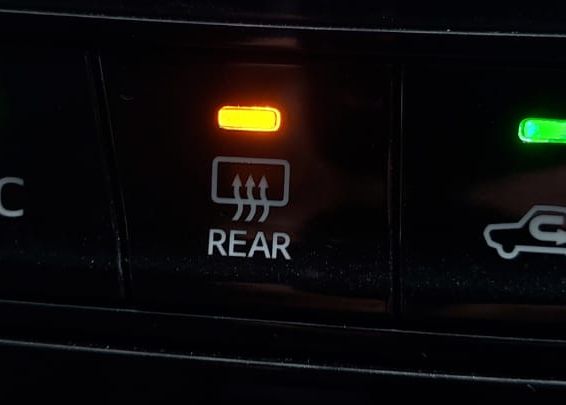
1. Defogger: Dew Repellent for Clear Views
When it rains, the temperature difference between the cold cabin and the humid outside air often triggers dew to appear on the glass.
This is very dangerous because it blocks visibility in all directions.
Ways of working
The defogger feature (usually a thin wire on the rear window) will heat the surface of the glass to quickly remove moisture.
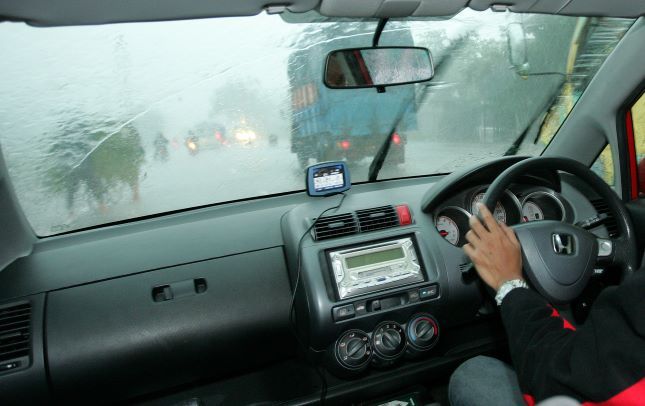
Make sure this feature is active so that you still have a clear view of the back and side areas.


2. Anti-lock Braking System (ABS): Prevent tires from locking on slippery roads
Braking suddenly on a wet surface is a big challenge because of the risk of tires slipping or locking up.
Ways of working:
The ABS sensor will detect if a wheel is almost locked. The system will then pump the brakes automatically very quickly so that the wheels can continue to spin while continuing to slow down.
As a result, the car can still be steered and braking distances are shorter than cars without ABS technology.
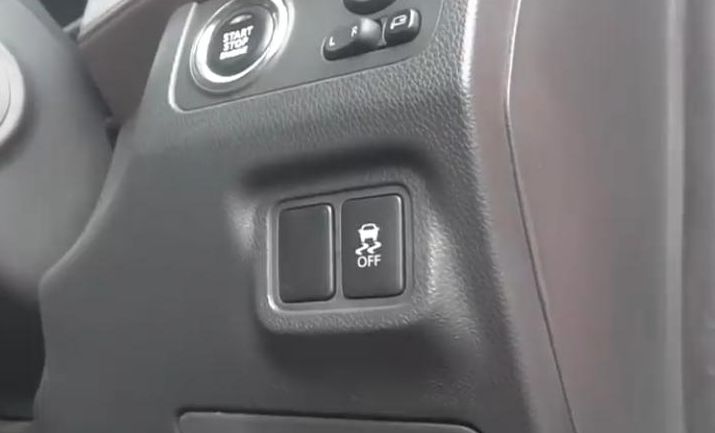
3. Traction Control: Full Control When Accelerating
Wet roads automatically reduce the tire’s grip (traction) on the asphalt.
Without traction control, the car is at risk of spinning or skidding when you press the gas.
Ways of working:
If the system detects that a wheel is spinning faster (slipping), the computer will automatically reduce engine power or activate the brakes on that wheel.
This ensures the tires still get maximum grip on the road.
4. Electronic Stability Program (ESP/ESC): Stability Guard in Corners
ESP is a further level of traction control.
This feature is responsible for keeping the car on track, especially during sudden maneuvers or going through slippery corners.
Ways of working:
With the help of various sensors that monitor body movement and steering direction, ESP will detect if the car starts to lose control (such as symptoms of understeer or oversteer).
The system will automatically distribute different brake pressures to each wheel so that the car’s position returns to stability according to your steering direction.